

Summary
Not all roofing materials handle hail equally, and in Northern Arizona, the gap between them is wider than most homeowners expect. At elevations above 5,000 feet, UV intensity runs 30-50% stronger than in Phoenix, which dries out asphalt shingles faster and leaves them more brittle going into storm season. Material rating matters, but so does condition. A well-maintained roof absorbs hail impact far better than a neglected one of the same type.
| Time to Read | 7-8 minutes |
| What You'll Learn |
|
| Next Steps |
|
Not every hailstorm makes the news, but in Northern Arizona, they show up often enough that homeowners start asking whether their roofs were actually built to handle them. The answer to that question depends on a myriad of factors, including the rating system, the specific roofing material used, your location's hail history, and the current condition of your roof.
Our EnviroPro team has inspected roofs across Flagstaff, Prescott, Sedona, and the Verde Valley after some of the region's worst monsoon seasons. What we've seen consistently is that the material matters, but it's rarely the whole story.
What Are Hail Impact Ratings and How Do They Work?
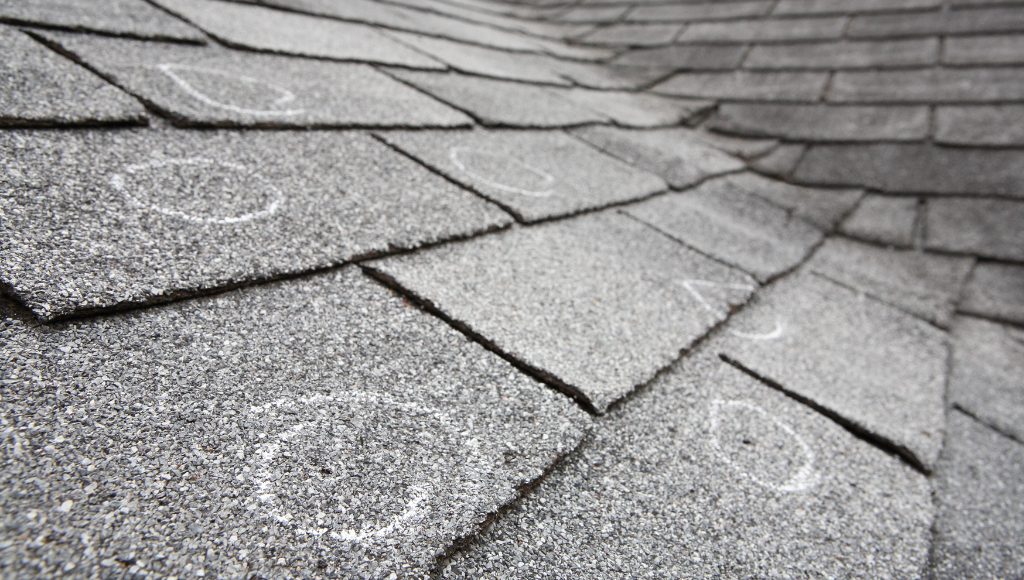
The UL 2218 classification system is the industry standard for testing roofing materials for hail impact resistance. It simulates hail by dropping steel balls of increasing size from a set height onto roofing samples, then rating the result on a four-class scale.
UL 2218 Classes at a Glance
- Class 1: Survives a 1.25-inch steel ball impact with no cracking or splitting
- Class 2: Survives a 1.5-inch impact
- Class 3: Survives a 1.75-inch impact
- Class 4: Survives a 2-inch impact with no cracking or splitting (the highest rating)
Class 4 is the standard to aim for in hail-prone areas. Beyond protecting your roof, it often qualifies you for an insurance premium discount worth asking your provider about.
The UL 2218 rating applies to a new product under controlled test conditions. Once a shingle has been aging on a Flagstaff or Prescott roof for several years, its real-world impact resistance may be lower than its original rating.
Roofing Materials and How They Handle Hailstorms
Asphalt Shingles
Asphalt shingles cover around 80% of Northern Arizona homes, and the hail resistance of asphalt varies widely depending on the product.
- Standard 3-tab and architectural shingles usually earn Class 1 or 2 ratings because they're not designed with hail resistance as a priority.
- Impact-resistant (IR) shingles use a modified polymer or rubber-reinforced mat to earn Class 3 or 4 ratings. The SBS (styrene-butadiene-styrene) modification is the most common approach.
IR shingles tend to cost roughly 10-20% more upfront than standard architectural shingles, but when combined with potential insurance discounts (and the money you’ll likely save on repairs that other materials might rack up during hailstorms), the cost gap often closes over time.
Metal Roofing
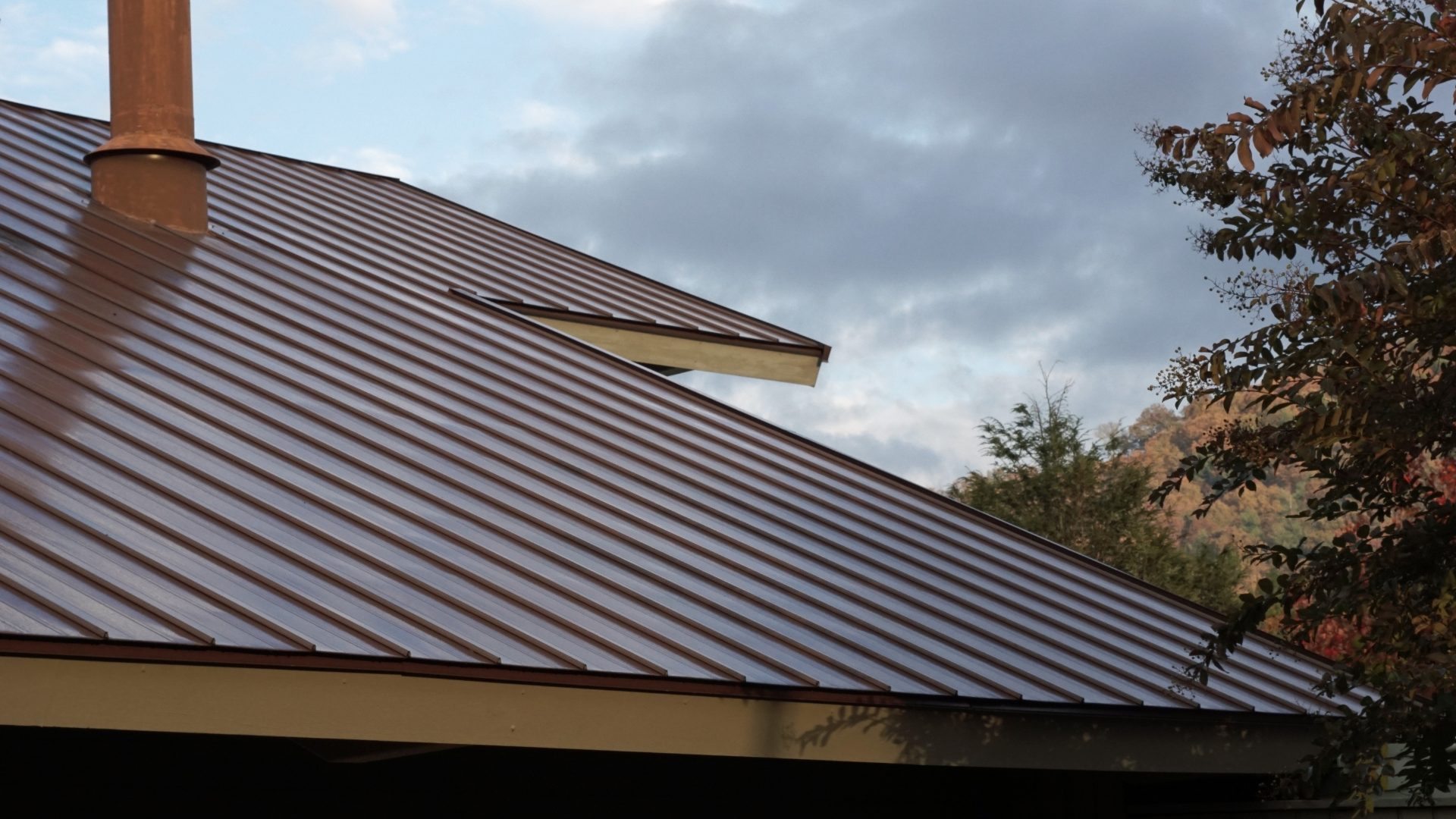
Standing seam steel and aluminum roofs both carry Class 4 impact ratings and hold up well in hail-prone areas. Hail rarely causes functional failure on metal roofing, although dents and other cosmetic marks can still happen depending on the type and thickness of the metal used.
| Metal Type | Hail Class | Northern AZ Lifespan | Denting Risk |
|---|---|---|---|
| Standing seam steel | Class 4 | 35-55 years | Low |
| Standing seam aluminum | Class 4 | 50+ years | Moderate (softer metal) |
| Stone-coated steel | Class 4 | 30-50 years | Low |
| Corrugated metal | Class 3-4 (varies) | 25-40 years | Moderate at fasteners |
Making the case for metal roofing in Northern Arizona is easy. It reflects heat rather than absorbing it, sheds snow efficiently, and resists UV degradation better than organic materials. Higher upfront cost favors long-term homeowners.
Tile Roofing
Concrete and clay tile are common in Sedona and parts of Prescott, and both offer excellent UV and heat resistance.
- Individual tiles can be replaced when damaged without reroofing
- Clay tile handles moderate hail well
- Rigid materials crack when large hailstones (1.5 inches or more) hit at the right angle
- Concrete is more moisture-absorbent than clay, adding freeze-thaw risk in Flagstaff
- Hail can damage the underlayment beneath tiles, even when the tile survives; that underlayment needs replacement every 15-25 years, regardless
Tile typically earns Class 3. Individual tile replaceability limits the total repair cost after a moderate storm.
Slate Roofing
Natural slate handles hail exceptionally well. It's dense, hard, and unaffected by the freeze-thaw conditions that crack other materials. For most Northern Arizona homeowners, though, the trade-offs are significant: weight (structural evaluation required), cost (four to six times that of asphalt), and limited availability of local installers.
For homeowners who want long-term hail resistance without the complexity, synthetic slate usually achieves Class 4 impact ratings, can last up to 50 years even in our extreme climate, weighs far less than natural slate, and costs a fraction as much. If you’re leaning towards a slate roof, synthetic might be worth pricing out.
Related Reading:
- Can Heavy Rain Damage My Roof? How Monsoons Affect Your Roof
- How UV, Heat, and Dry Air Damage Shingles (& How to Fix It)
How Northern Arizona's Hail Patterns Should Shape Your Decision
Northern Arizona isn't the Great Plains, but hail is a consistent part of the seasonal calendar here.
| Location | Elevation | Primary Hail Season | Additional Risk |
|---|---|---|---|
| Flagstaff | 7,000 ft | April-August | Late-spring storms, intense monsoon cells |
| Prescott | 5,400 ft | May-September | Afternoon thunderstorms |
| Prescott Valley | 5,100 ft | May-September | High wind amplifies impact force |
| Verde Valley | 3,100-4,800 ft | June-September | Monsoon corridors, wind-driven hail |
Hailstones in Northern Arizona are often smaller than a High Plains outbreak, but 1-inch or larger stones happen regularly enough during peak monsoon cells to cause functional damage. Because roofs here are already under more UV and thermal stress than in lower-elevation markets, some roofs may be more brittle than their age suggests, so even moderate hail lands can still cause damage.
Why Shingle Condition Affects Hail Resistance as Much as Material Type
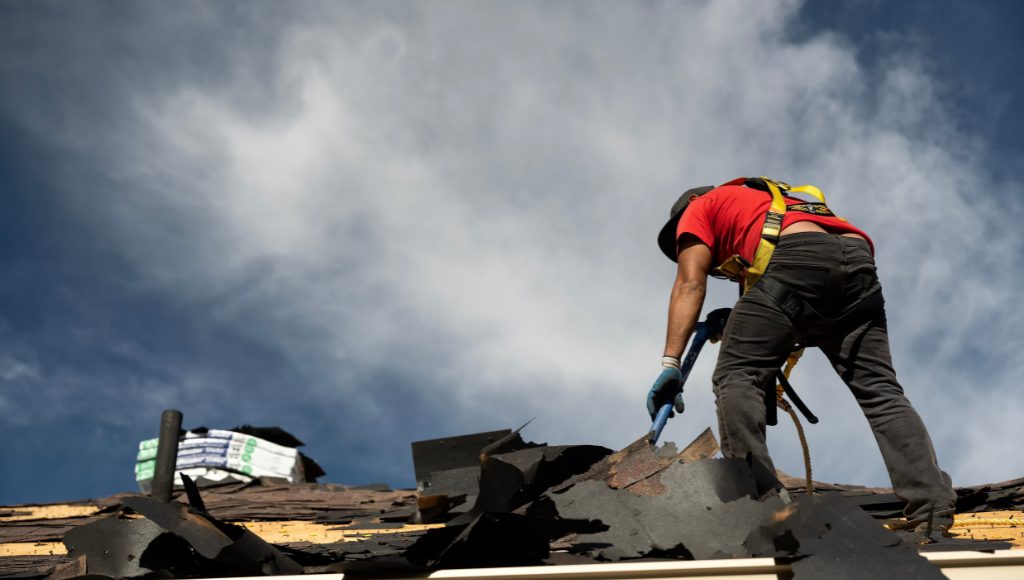
A flexible shingle absorbs the impact from a hailstone and returns to shape, but a brittle, oil-depleted shingle might crack from the same impact. This is why two roofs of the same age and material can show very different results from the same storm.
UV, extreme heat, and humidity below 20% strip petroleum oils from asphalt shingles year after year. At higher elevations, this process happens faster than the warranty accounts for. A 12-year-old roof in Flagstaff may have lost far more flexibility than a 12-year-old roof in Phoenix.
Before deciding whether a full material upgrade makes sense, it's worth knowing whether your current shingles still have flexibility left.
How Roof Maxx Improves Hail Resistance Without Replacing Your Roof
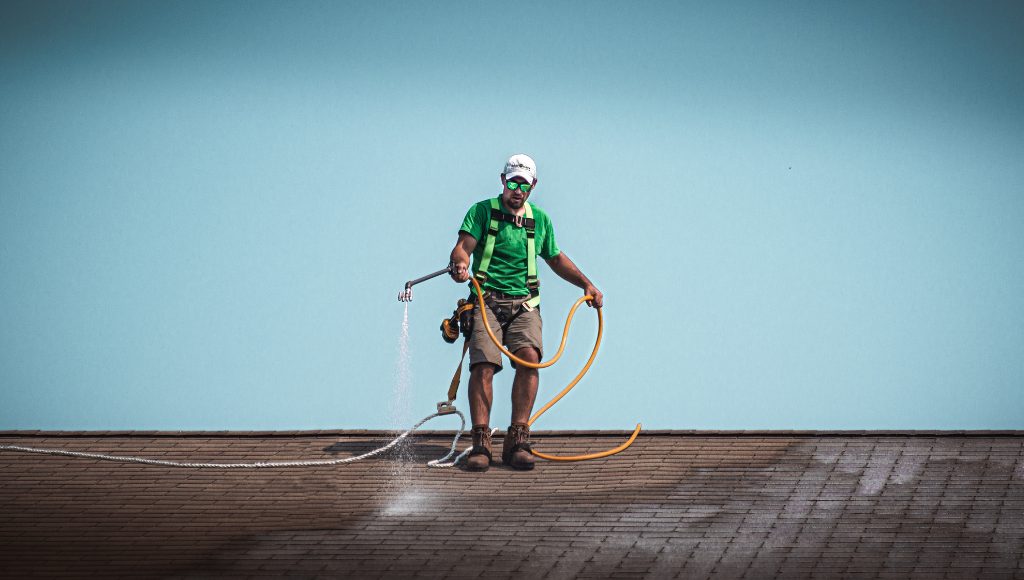
For asphalt roofs 10 to 20 years old that are structurally sound but showing signs of age, Roof Maxx restoration improves hail resistance before storm season without reroofing.
Roof Maxx's all-natural oil treatment penetrates deep into asphalt shingles and replaces the petroleum oils depleted by UV, heat, and dry air. Restoring that flexibility means your shingles absorb hail impact the way they were designed to, rather than fracturing under stress.
Each treatment adds approximately 5 years of life to your roof and can be applied up to 3 times for a total extension of 15 years. At $3,200-$4,600, it costs a fraction of the $15,000-$25,000+ replacement price.
Roof Maxx won't repair a cracked or missing shingle, and it's not a substitute for a Class 4 upgrade if hail resistance is your primary long-term goal, but for a roof that’s still structurally sound, it's often the most cost-effective way to improve your roof before monsoon season.
The Bottom Line
There’s no one-size-fits-all roofing material for homes in Northern Arizona. Metal offers the strongest all-around hail resistance, but the upfront cost likely doesn't make sense for a homeowner who plans to sell in the next few years. Impact-resistant asphalt is a practical upgrade for most budgets. Tile works well in Sedona's climate but carries real risk if large hail is a regular concern. Slate lasts longest but comes with trade-offs that most residential applications can't justify.
What matters as much as any of this is the condition of whatever is already on your roof. A well-maintained asphalt roof in good shape will outperform a neglected one of the same material every time, and at Northern Arizona's elevations, that gap opens up faster than most homeowners expect.
If your roof is 10 years old or more, or if it's been through a storm this season, an inspection is the most useful thing you can do before monsoon season starts. You'll know what you're actually working with, and that makes every decision after it easier.
Schedule an inspection today. Call 928-494-0495 or request an inspection online.