

Summary
Cracked shingles are one of the most common signs of an aging roof, and in Northern Arizona, they progress faster than most homeowners expect. High-elevation UV, extreme temperature swings, freeze-thaw cycles, and dry desert air all work together to dry out and crack asphalt shingles ahead of schedule. This guide covers what causes cracking, how to identify severity, the risks of leaving it unaddressed, and when Roof Maxx restoration can extend your roof's life without a full replacement.
| Time to Read | ~7 minutes |
| What You'll Learn |
|
| Next Steps |
|
You’re doing a walk around your yard after a windy week in Prescott, and you spot a shingle that’s split along the edge, maybe two. It doesn't look catastrophic, but something's clearly off. The question most homeowners ask at that point is whether a cracked shingle is actually worth worrying about, or just cosmetic wear they can live with for another season.
In Northern Arizona, the answer of whether or not cracked shingles are bad matters more than it does almost anywhere else in the country. That’s because the combination of high-elevation UV, extreme temperature swings, bone-dry air, and monsoon winds creates conditions that turn minor shingle damage into a serious roofing problem faster than national averages would suggest.
But the truth is that a single cracked shingle, viewed from the ground, doesn’t tell you much about the actual condition of your roof. It may be as small as a simple repair, or there might be underlying damage that only a professional can spot.
Why Cracked Shingles Aren’t a Minor Issue
Asphalt shingles have one primary job, and it’s to shed water away from the roof layers underneath. When a shingle cracks, that function is compromised because water doesn't need a large opening to find its way in. A through-crack, or even a deep surface crack, gives rain and snowmelt a direct path to the underlayment below.
Once water reaches the roof’s underlayment, the damage clock starts ticking. Underlayment saturation leads to decking rot, decking rot creates soft spots and structural compromise, and all that moisture allows mold to take hold in the attic. Each stage costs more to address than the one before it, and none of it is visible from the ground until the damage is already well underway.
What Causes Shingles to Crack in Northern Arizona?
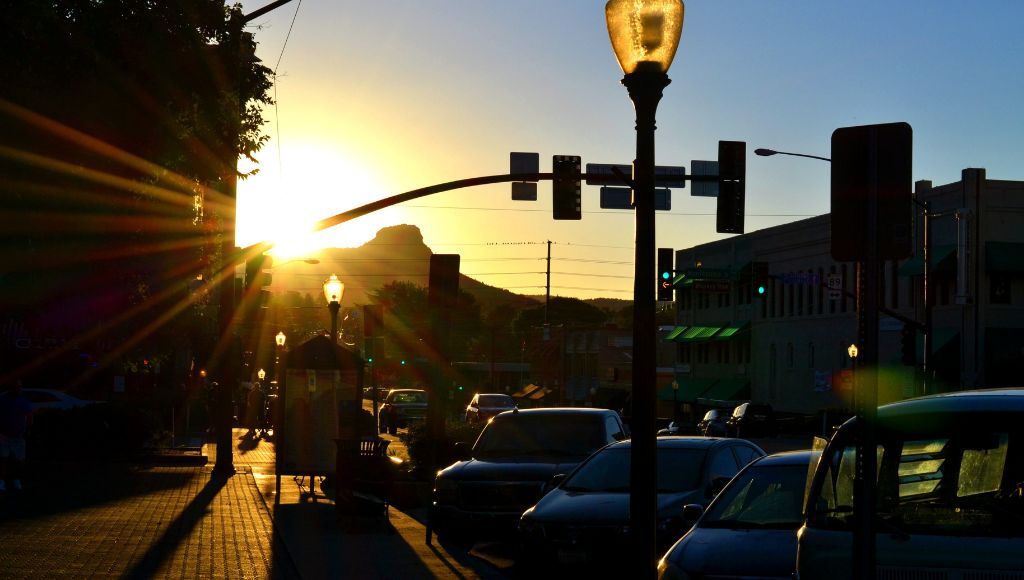
Cracking isn't random. In Flagstaff, Prescott, and the Verde Valley, specific climate conditions drive the process, and they work together to accelerate the timeline compared to lower-elevation areas.
UV Exposure at High Elevation
UV intensity increases 6-8% for every 1,000 feet of elevation. That means at 7,000 feet, Flagstaff receives 30-50% more UV radiation than Phoenix. That radiation breaks down the petroleum oils in your asphalt shingles through a process called photo-oxidation, in which the oils that keep shingles flexible and waterproof are depleted, leaving the material dry and increasingly brittle over time.
Extreme Heat and Dry Air
Northern Arizona’s dry climate compounds the UV problem that roofs already face. Humidity regularly drops below 20%, which pulls residual moisture out of shingles year-round. Add to that daily temperatures that can swing more than 60°F between a summer afternoon and the same night, and that repeated expansion and contraction puts constant stress on shingle material. Shingles that have already lost their oils can’t flex as they’re designed to and crack instead.
Freeze-Thaw Cycles
Flagstaff averages more than 100 nights per year that reach below freezing temps. When water works its way into an early-stage crack and freezes, it expands. That expansion widens the crack. Then, when the weather warms and it thaws, the shingle contracts. Repeat that cycle over a winter, and what started as a hairline crack becomes a structural fracture.
High Winds
Monsoon storms can push wind gusts of 40-60 mph (or more) through mountain passes and valleys across Northern Arizona. Those winds continuously flex and stress your shingles, and while healthy shingles will bend under that pressure and return to their position, a brittle, oil-depleted shingle creases, cracks, or breaks instead.
How to Tell What You’re Dealing With
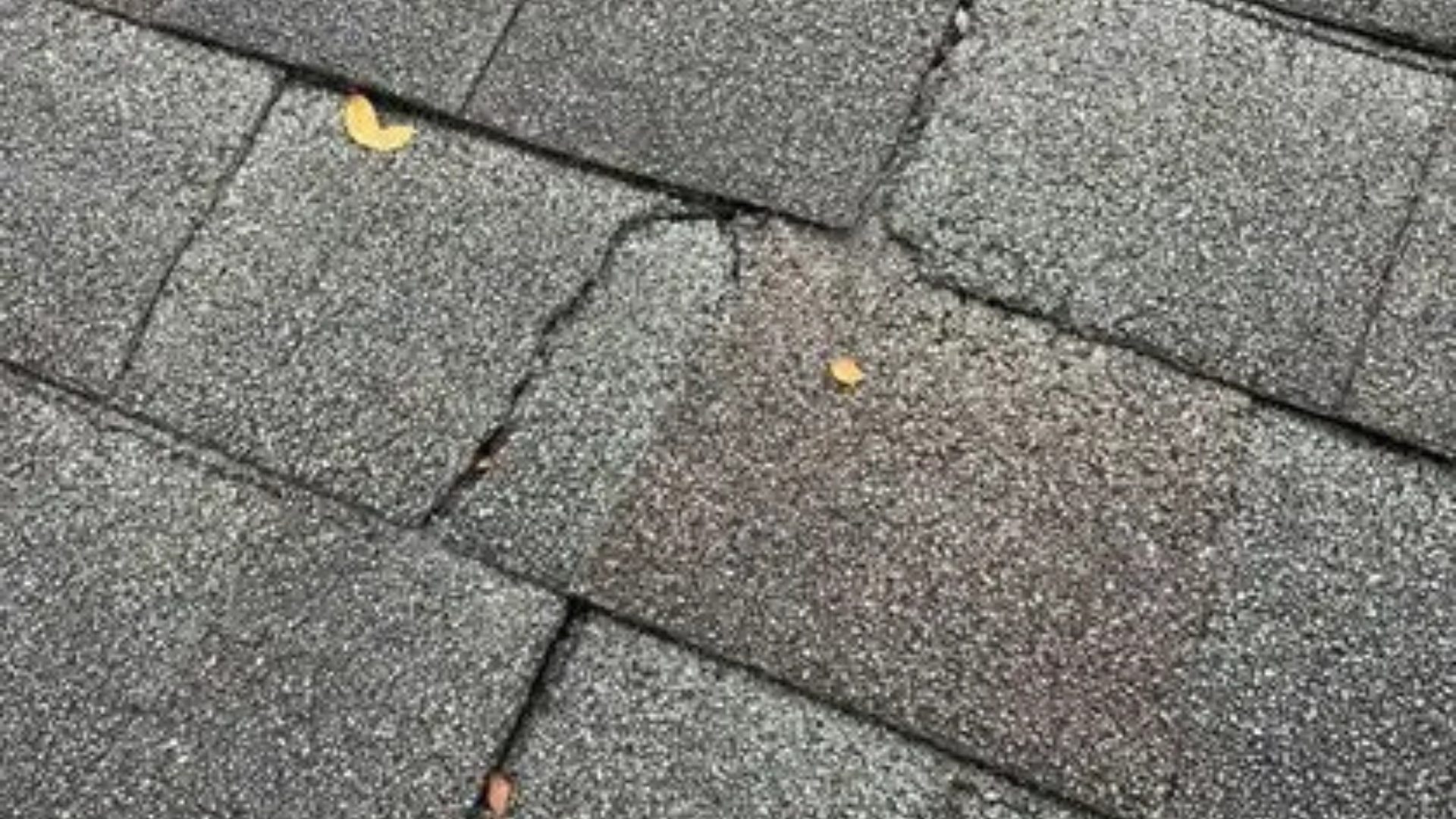
Not every crack carries the same risk. Every homeowner should know the main types of cracks they may find in their asphalt shingles, and what they mean for your roof's condition.
| Crack Type | What It Looks Like | Risk Level |
| Surface Crazing | Fine web-like cracks across the ganule layer. | Low to moderate |
| Edge Cracking | Splits along shingle tabs or edges. | Moderate |
| Through-Cracks | A crack that runs through the full thickness of the shingle. | High |
| Missing Sections | Pieces breaking off from cracked areas. | Very high: water intrusion likely |
One thing worth knowing is that south- and west-facing slopes tend to show cracking first. They absorb the most direct sun and heat over the course of a day, which means they age 3-5 years faster than north-facing slopes on the same roof. If you're doing a ground-level check, those slopes are where to look first.
What you can spot from the ground:
- Shingles that appear to have lines, splits, or surface texture that looks inconsistent with the surrounding area
- Shingle tabs curling up or edges that look raised or wavy
- Granule buildup in gutters or accumulating at downspouts, which often accelerates as shingles dry out and crack
Deep through-cracks and missing sections are harder to spot without getting closer. If you're seeing any surface-level signs, a professional inspection is the only way to understand the full picture.
Related Reading:
- How Long Does a Roof Last in Arizona? (& How to Make It Last Longer)
- How UV, Heat, and Dry Air Damage Shingles (& How to Fix It)
- What Does Wind Damage Look Like on a Roof?
What Happens If I Don’t Fix My Cracked Shingles?
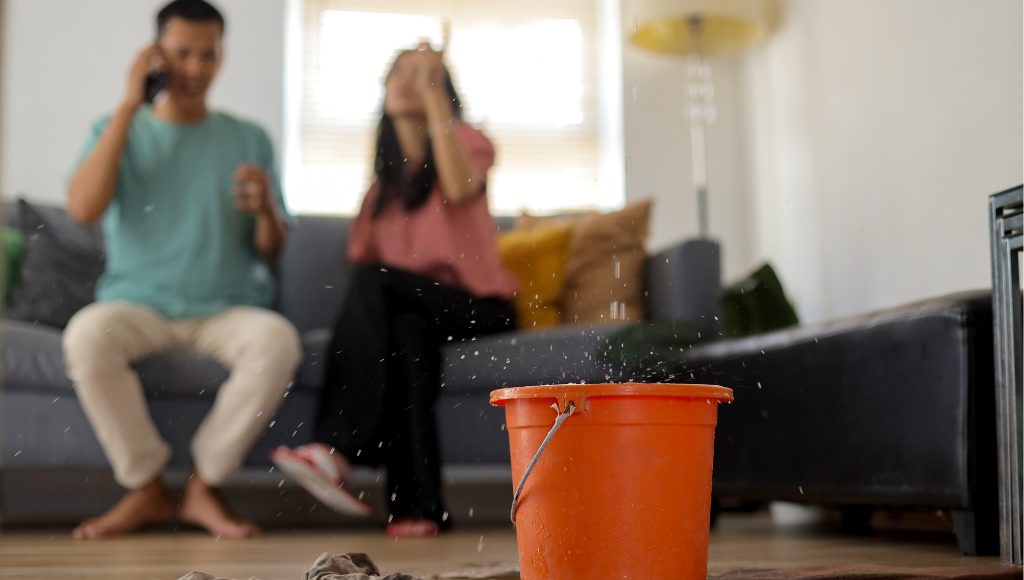
The progression of what happens if you leave cracked shingles unchecked is straightforward, and each stage is more expensive to fix than the last.
Water finds its way through the crack and reaches the underlayment. Depending on how often it rains or snows, the underlayment can saturate over one season or several. Once the underlayment is compromised, the roof decking beneath it starts to absorb moisture. Decking rot creates soft spots and, eventually, structural issues that affect the entire roof system and cause leaks. In attic spaces with limited airflow, mold can establish itself once moisture is present consistently.
None of this is visible from the driveway. Interior water stains on ceilings or walls are often the first sign homeowners notice, by which point the damage has usually been building for months.
When Roof Maxx Restoration Can Help
If cracking is caught early enough and the shingles haven't fractured through, Roof Maxx restoration can address the root cause directly.
The treatment is an all-natural rejuvenating oil that penetrates deep into the asphalt and replenishes the petroleum oils lost to UV exposure, heat, and dry air. It restores flexibility to dried-out shingles, improves granule adhesion, and strengthens waterproofing. More flexible shingles handle wind stress better and are less likely to develop new cracks going forward.
Each treatment adds approximately 5 years of life to your roof. It can be applied up to 3 times over the roof's lifespan, for a total potential extension of 15 years. The cost runs $3,200-$4,600, compared to $15,000-$25,000 or more for full replacement.
Good candidates for Roof Maxx after cracking is identified include:
- Roofs 8-20 years old with surface-level or early-stage cracking
- No through-cracks, missing sections, or exposed underlayment
- No active leaks and no structural concerns with the decking
- Shingles that are brittle and faded but still lying flat and intact
It's worth being direct about what Roof Maxx can't do. It won't seal an existing crack the way a patch or replacement shingle would, but it does address the brittleness that's causing cracks to form and spread, which changes the roof's trajectory going forward.
What to do When the Damage is Too Far Gone
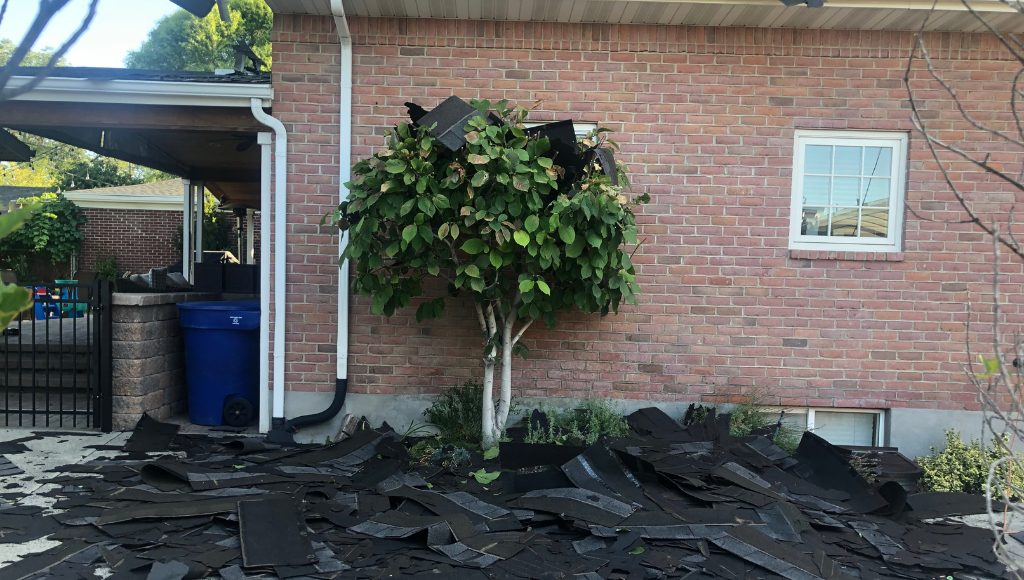
Some cracking patterns call for repair or replacement, and an honest inspector will tell you so directly.
Repair or replacement is the right path when:
- Through-cracks are present across multiple shingles or slopes
- Shingle sections are missing, and underlayment is exposed
- There are active leaks or signs of decking damage in the attic
- The roof is already at or past its expected Northern Arizona lifespan: 12-15 years for 3-tab asphalt, 15-20 years for architectural shingles
A roof that's already at the end of its useful life in this climate won't benefit from restoration regardless of how the damage looks. The math doesn't support it, and a trustworthy assessment will reflect that.
The Bottom Line
Cracked shingles in Northern Arizona aren't a problem that you should watch and wait on. The climate here, with its high elevation, intense UV, extreme temperature swings, freeze-thaw cycles, and dry air, hits roofs harder than the national averages account for. What looks like surface wear can compromise your roof's waterproofing and progress into decking damage before you'd ever know from the inside.
The good news is that if cracking is caught early, there are restoration options that extend roof life at a fraction of replacement cost. The key is getting an accurate read on where your roof actually stands before making any decisions, with the help of local roofing professionals.If you’re unsure whether you’re dealing with something as simple as surface crazing or larger through-cracks, schedule an inspection today with Enviro Pro. We’ll give you a straight answer and let you decide where to go from there.