


Summary
Not all hail damage means a new roof. In Northern Arizona, where shingles already take a beating from UV, dry air, and temperature swings, knowing the difference between cosmetic and functional damage is what separates a smart repair decision from an expensive mistake. Cosmetic bruising can often be addressed with targeted repair or Roof Maxx restoration. Widespread fracturing, exposed underlayment, and decking damage are a different story altogether.
| Time to Read | ~7-8 minutes |
| What You'll Learn |
|
| Next Steps |
|
A hailstorm rolls through Prescott on a Tuesday afternoon. By the time it's over, your gutters are full of granules, and your neighbor is already on the phone with their insurance company. Now you're wondering, “Did my roof survive that, or am I looking at a replacement?”
It's a harder question than it sounds. Hail damage can range from purely cosmetic to genuinely serious, and the stakes of getting this wrong go both ways. Replacing a roof that didn't need it costs $15,000-$25,000 or more. Patching over damage that actually calls for replacement means paying again in a few years, and possibly dealing with leaks and interior damage in the meantime.
The right answer starts with knowing what you're actually looking at, and that's where a professional inspection makes all the difference.
What Hail Actually Does to Asphalt Shingles
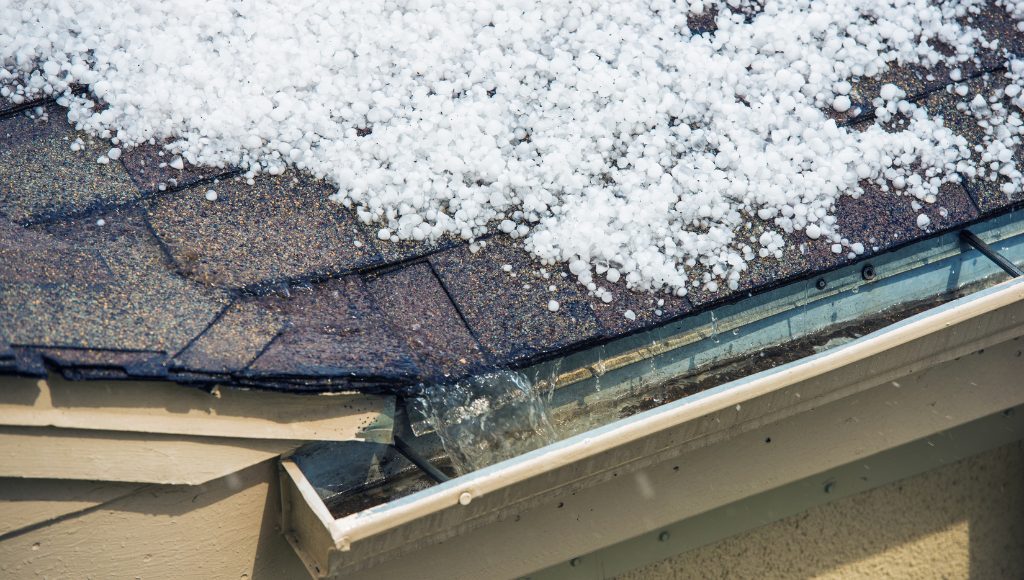
When hail hits an asphalt shingle, the impact can knock loose protective granules and compress the surface beneath them. In stronger storms, larger or faster-moving hail can also crack the fiberglass mat inside the shingle itself.
The main question after a hailstorm is whether the damage is cosmetic or functional, because that distinction determines whether a roof can be repaired or replacement becomes the better long-term option.
Cosmetic damage affects appearance but leaves the shingle's waterproofing ability intact. You might see surface bruising, minor granule displacement, or color variation.
Functional damage goes deeper: exposed mat, cracked shingles, or granule loss significant enough to leave the underlying material unprotected.
In Northern Arizona, that distinction matters more than it does in many other parts of the country. Flagstaff sits at 7,000 feet and gets significantly more UV exposure than lower-elevation cities like Phoenix, with Prescott and Prescott Valley not far behind.
The constant sun and UV exposure that we see at higher elevations dries shingles out faster and makes them more brittle over time. Damage that stays mostly cosmetic in a milder climate can turn into a functional roofing issue much sooner at higher elevations.
What to Look for From the Ground
You don't need to go up to the roof to start your assessment. There are a few things you can look for from the ground first:
- Granules accumulating in gutters or at the base of downspouts
- Visible bruising or dark circular marks on low-slope areas
- Dents on metal components like gutters, vents, and flashing (these are a reliable proxy for shingle impact)
- Any visible areas where shingles look bare or discolored
Keep in mind that most hail impacts can’t be seen from the ground. A professional inspection is the only true way to understand the actual scope of the damage, especially on steeper pitches or in sections hidden from view.
Why Hail Hits Northern Arizona Harder Than Most Homeowners Expect
Hail isn’t just a Midwest or Great Plains issue. Northern Arizona regularly sees strong summer storms during monsoon season that often produce hail that can damage roofs, especially in areas like Flagstaff, Prescott, and the Verde Valley.
Between June and September (with peak activity in July and August), roofs can be hit by repeated rounds of hail, wind, and intense weather that gradually weaken roofing materials over time.
| Location | Elevation | Primary Hail Season | Additional Risk |
|---|---|---|---|
| Flagstaff | 7,000 ft | April-August | Late-spring storms, intense monsoon cells |
| Prescott | 5,400 ft | May-September | Afternoon thunderstorms, monsoon season |
| Prescott Valley | 5,100 ft | May-September | High wind exposure amplifies impact force |
| Verde Valley | 3,100-4,800 ft | June-September | Monsoon corridors, wind-driven hail |
Elevation compounds the problem in one more way: the air here is bone dry, often below 20% humidity, and UV intensity is much higher than at lower elevations. Both conditions deplete the petroleum oils in asphalt shingles faster than manufacturers' warranties account for. A brittle, oil-depleted shingle absorbs a hail impact very differently from a flexible, well-conditioned one. This is why two roofs of the same age can show very different outcomes from the same storm.
How Insurance Adjusters Evaluate Hail Damage
Knowing what insurance adjusters are actually looking for can help you better understand the inspection process and what their findings really mean.
In most cases, adjusters evaluate how concentrated the damage is across the roof. They’ll inspect specific test areas and look for signs of functional damage, including:
- The percentage of the roof affected
- Whether damage is isolated to one slope or spread across the whole surface
- The shingle's age relative to its expected lifespan
- Whether any impacts have created actual or likely leak paths.
Adjusters are trained to distinguish functional damage from cosmetic damage. A large amount of bruising doesn't automatically mean a replacement claim is warranted. A roof that looks fine from the street can have widespread functional damage that only a close inspection reveals. This is why getting your own professional assessment before the adjuster arrives is worth doing, so you're not walking into that conversation blind.
When Hail Damage is Repairable
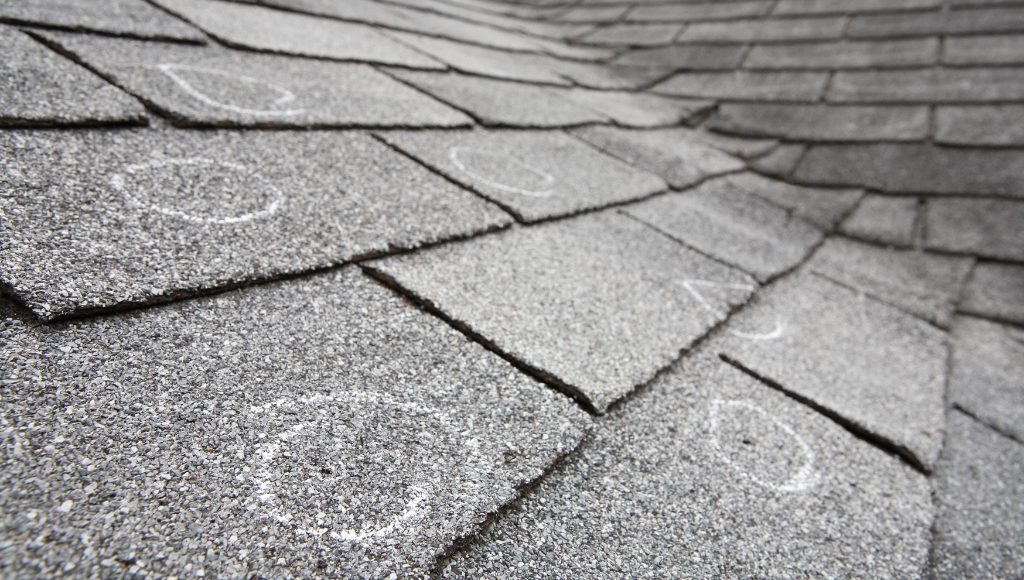
Repair is usually the right option when the damage is limited to one area, the shingles are still lying flat and holding together properly, and the rest of the roof is still in good condition with years of life left.
Pay attention to which slopes took the most punishment. South and west-facing slopes age 3-5 years faster than north-facing ones because of their sun exposure. If the south slope of your roof shows impact damage but the north slope looks solid, targeted repair or partial restoration may be the right call.
How Roof Maxx Restoration Can Help a Hail-Damaged Roof
Roof Maxx can’t repair cracked shingles, replace missing pieces, or stop an active leak. But what it can do is restore the flexibility and waterproofing strength that asphalt shingles lose over time from sun exposure, heat, and dry weather. After a hailstorm, that matters.
For a roof that has sustained moderate hail damage but remains structurally sound, a Roof Maxx treatment can extend shingle life by 5 years and can be applied up to 3 times for a total extension of 15 years. More flexible shingles also handle future impacts better than brittle, dried-out ones.
Good candidates for restoration after a hailstorm:
- Roofs 8-20 years old with scattered rather than widespread impact damage
- Shingles showing granule loss and minor bruising, but no fracturing or exposed underlayment
- No active leaks and no structural concerns with the decking
| 💲Cost comparison: Roof Maxx runs $3,200-$4,600, depending on roof size and condition. Full replacement in Northern Arizona typically costs $15,000 to $25,000 or more. That price difference is why it’s so important to get a professional opinion. |
When the Damage is too Extensive to Repair
Some situations call for replacement, and a trustworthy inspector will tell you so directly. Replacement is the right answer when:
- Fracturing is widespread across multiple slopes, not isolated to impact zones
- Granule loss is severe enough that the mat is exposed across large areas
- Multiple leak points exist or are highly likely, given the damage pattern
- The decking beneath damaged shingles has absorbed water or shows structural compromise
- The roof is already near the end of its expected lifespan in Northern Arizona: 12-15 years for 3-tab asphalt, 15-20 years for architectural shingles
A roof already at the end of its useful life doesn't benefit from repair or restoration, regardless of how the damage looks. The math simply doesn't work.
Related Reading
- How Long Does a Roof Last in Arizona? (And How to Make it Last Longer)
- How UV, Heat, and Dry Air Damage Shingles (& How to Fix It)
What to do Right After a Hailstorm
Step 1: Document before anything else. From the ground, photograph your gutters, downspouts, any visible shingle surface, and all metal components. Check your attic for new water stains, daylight penetration, or soft spots in the decking.
Step 2: Contact your insurance company. Open a claim before scheduling any repairs. The sequence matters. Repairs completed before an adjuster visits can complicate your claim.
Step 3: Schedule a professional inspection. A qualified roofer will assess damage density, identify functional vs. cosmetic impacts, and give you a clear picture of your options before you make any commitments. The goal of the inspection isn't to sell you something; it's to give you accurate information so you can make the right call.
The Bottom Line
Hail is a reality in Northern Arizona, and it doesn't always announce how serious it was. A roof that looks fine from the driveway can have functional damage that shortens its life by years, and damage that looks alarming up close can turn out to be cosmetic. The only way to know for certain is to have someone qualified take a look before you commit to anything. Once you have that information, the right path forward becomes a lot clearer.
Schedule your free inspection today. Call 928-494-0495 or request an inspection online.