

Summary
Monsoon season puts sudden stress on roofs that have spent months drying out under Arizona's sun, and knowing whether a roof can handle it matters more than most homeowners realize. Warning signs like granule buildup in gutters, curling shingles, and gaps around flashing often show up well before a storm does. Take our quick quiz to get a personalized read on your roof’s readiness, and then use our checklist to determine if it’s time to call the professionals.
| Time to Read | ~7 minutes |
| What You'll Learn |
|
| Next Steps |
|
Monsoon season puts sudden pressure on roofs that have spent months baking under the Arizona sun. Heavy rain, high wind, and hail can all show up within the same storm, and a roof that's been quietly weakening from UV exposure often can't handle that stress without warning signs.
Before the storms roll in, it's worth checking your roof for the early signs of trouble. If you spot any issues, schedule a professional inspection to address any roof repairs you might need before monsoon season puts it to the test.
Why Monsoon Season Is Hard on Arizona Roofs
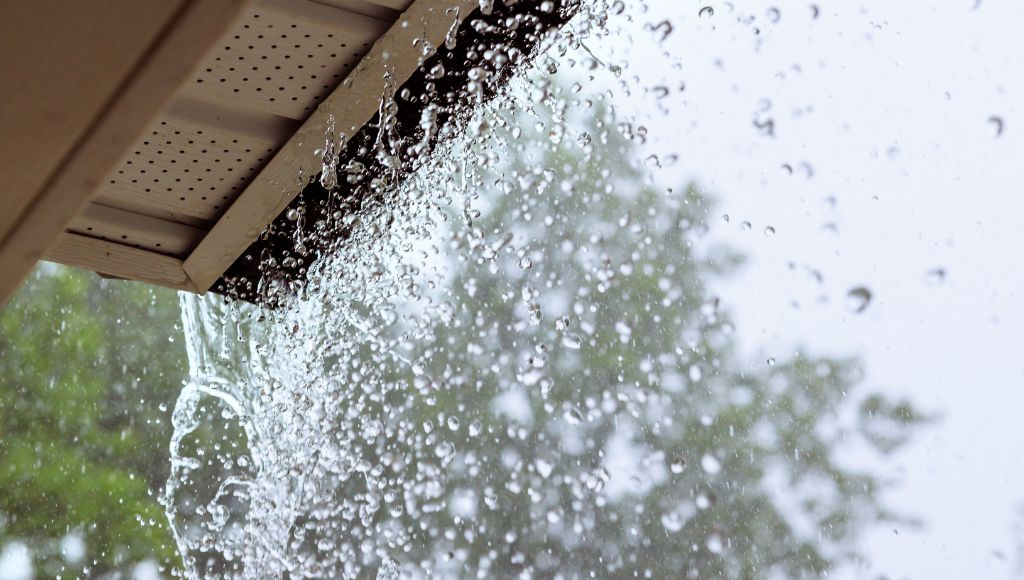
After months of dry Arizona heat, monsoon storms come in fast and hard. Heavy rain can expose weak spots that never had to hold back water before, and wind gusts test every seal and flashing point on your roof. And even hail can sometimes ride along with these storms, adding impact damage on top of everything else.
Roofs across Northern Arizona's core service area, sitting in the 3,000-to-7,500-foot elevation range, spend the rest of the year under intense sun exposure. That UV exposure dries out shingles and makes them more brittle, so a roof already showing wear going into monsoon season is more likely to develop leaks once storms arrive.
Storms in this region move in fast, with little warning between a clear sky and a downpour. That leaves homeowners with a narrow window to prep, which is why it's worth handling roof checks before the season gets underway rather than waiting for the first storm warning.
Preparing Your Property Before Monsoon Season
A roof doesn't work in isolation. The area right around it plays a role in how well it handles a storm, so it's worth looking at a few things beyond the shingles themselves.
- Trim overhanging tree branches. Branches that hang over the roof can scrape shingles in high wind and drop debris into gutters and valleys.
- Clear yard debris near downspouts. Leaves and loose material can wash into downspouts and cause water to back up right where it drains off the roof.
- Check that downspouts direct water away from the foundation. Heavy monsoon rain can overwhelm a yard's drainage fast, and water pooling near the house adds a separate set of problems beyond the roof.
None of this requires special tools or roof access. It's yard work that happens to make a real difference once the storms start.
Monsoon Roof Prep Checklist
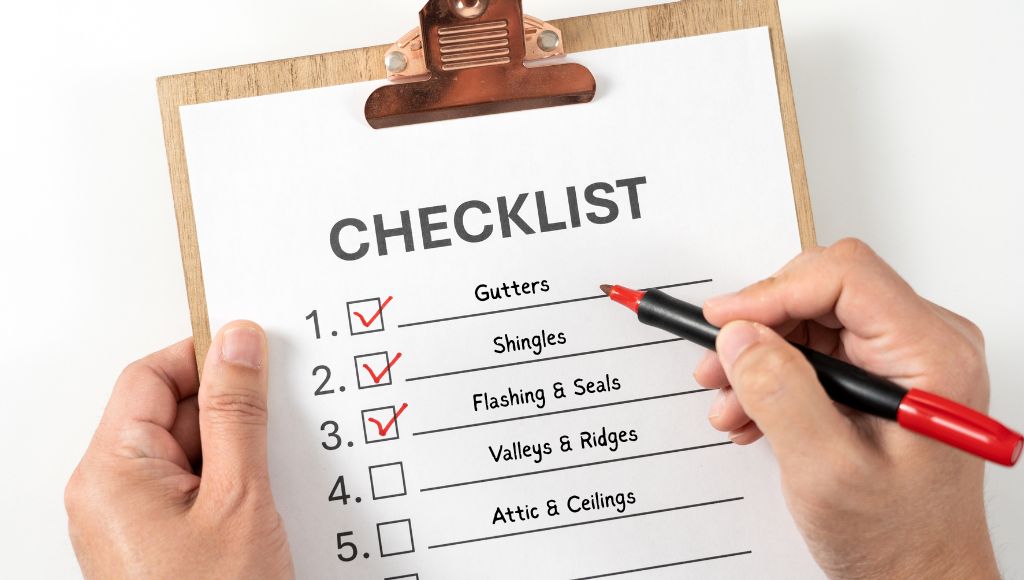
Walk through this checklist from the ground before monsoon season ramps up. None of these items requires getting on a ladder. If you notice any of them, the safest next step is to call a professional rather than inspecting or repairing the roof yourself.
Gutters and Downspouts
- Granules collecting at the bottom of gutters or downspouts
- Debris buildup that could cause water to back up during heavy rain
Shingles
- Curling, cracking, or lifted edges
- Bald or shiny patches where granules have worn away
- Color that looks blotchy or inconsistent across sections of the roof
Flashing and Seals
- Gaps or separation around chimneys, vents, and skylights
- Rust or visible wear on metal flashing
- Lifting or missing fasteners
Roof Valleys and Ridge Lines
- Debris or standing water pooling in roof valleys
- Missing, cracked, or lifted ridge cap shingles along the roofline
Attic and Ceiling
- Water stains or discoloration on ceilings or attic surfaces
- Any daylight visible through the roof deck from inside the attic
Monsoon Prep Checklist Quick Reference Guide
| Area | What to Look For | Why It Matters |
|---|---|---|
| Gutters & Downspouts | Granules, debris buildup | Signals shingle wear and blocked drainage |
| Shingles | Curling, bald spots, color changes | Weakened shingles let water in |
| Flashing & Seals | Gaps, rust, separation | Common entry points for leaks |
| Valleys & Ridge lines | Standing water, damaged ridge caps | Concentrated water flow finds weak spots fast |
| Attic & Ceiling | Water stains, daylight | Indicates an existing leak |
What to Expect During a Professional Roof Inspection
If your checklist walkthrough raises any concerns, then it’s time to call in the pros. Here's what that process usually looks like:
- A visual assessment of the entire roof surface, including areas that aren't visible from the ground
- A closer look at flashing, seals, and vulnerable points like chimneys and skylights
- An inspection of the attic for signs of moisture, ventilation issues, or existing damage
- A summary of findings, with clear recommendations on whether the roof needs repair, restoration, or is in good shape as-is
Most inspections take less than an hour, and a straightforward answer about where your roof stands is worth far more than the time it takes.
Take the Quiz: Is Your Roof Ready for Monsoon Season?
The checklist above works well on its own, but an interactive version makes it easier to get a clear answer fast. Answer a few quick questions and find out whether your roof is ready for the season or needs a closer look.
Enviro Pro · Monsoon Prep
Is Your Roof Ready for
Monsoon Season?
What Happens If You Skip Monsoon Prep
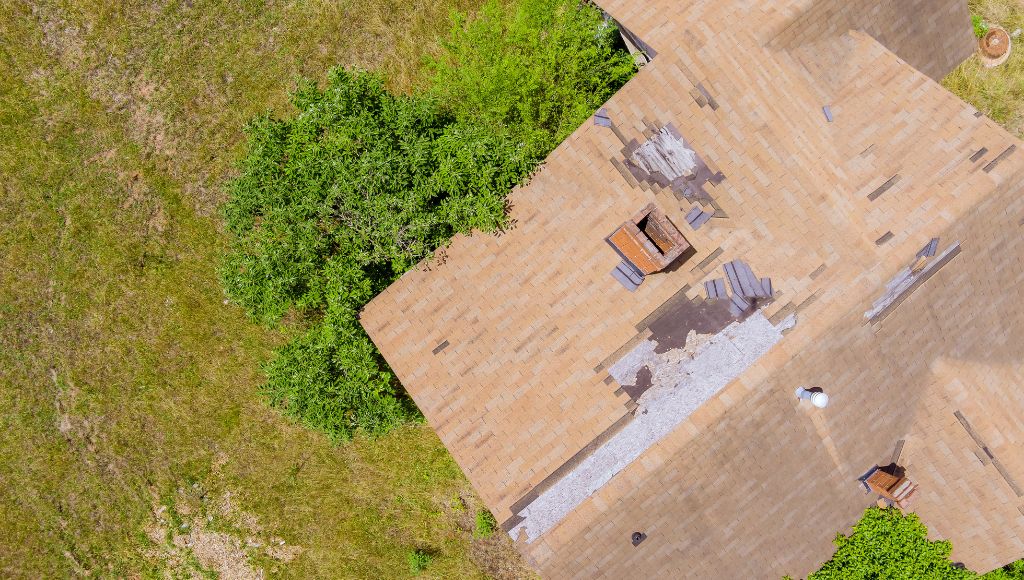
If there’s one thing we know well at Enviro Pro, it’s that small issues have a way of turning into bigger ones once storms hit. Granule loss that looks minor in June can turn into an active leak once heavy rain finds the exposed asphalt underneath. A small gap in flashing that's never been an issue can let water in when wind-driven rain hits it at the right angle. Once water gets past the roof surface, repair costs go up fast, and what could have been a simple fix turns into water damage inside the home.
This is especially true for homes that go into the season with a roof already past its prime. A roof that's held up fine through a few mild years can reach a tipping point once storm stress gets added on top of years of sun exposure. Waiting until a leak shows up inside the home usually means the damage has already spread further than it appears from the ceiling stain alone.
After the Storm: A Quick Post-Storm Check
Prep work doesn't end once the season starts. After a strong storm rolls through, it's always a good idea to take a few minutes to walk around your property and look for new signs of damage, especially after hail or high wind events.
- Check gutters again for a fresh batch of granules, which can point to hail impact
- Look at the yard for any shingle pieces or granules that may have blown or washed off the roof
- Note any new water stains that weren't there before the storm
Catching storm damage early, rather than waiting until the next one, gives you a better shot at a straightforward repair instead of a bigger issue down the line.
When to Call a Professional

Any of the following are good reasons to schedule an inspection before monsoon season arrives:
- One or more items from the checklist above raised a concern
- Your roof is nearing the end of its expected lifespan (12 to 15 years for 3-tab asphalt, 15 to 20 years for architectural shingles)
- It's been more than a year since your last professional inspection
- A recent storm left visible debris, granules, or damage behind
A professional can tell the difference between cosmetic wear and something that needs repair, and can catch issues that aren't visible from the ground.
Keeping Your Roof Monsoon-Ready Year After Year
Monsoon prep works best as part of a regular roof maintenance schedule, rather than a one-time scramble each June. Scheduling a professional inspection once a year before the season starts means small issues get caught and fixed while they're still easy (and less costly) to address.
For roofs that are starting to show wear but aren't ready for full replacement, treatments like Roof Maxx can restore flexibility to aging shingles, which helps them hold up better against the wind and hail that come with monsoon storms.
Keeping up with routine roof maintenance also means fewer surprises. A roof that's been checked and maintained consistently is less likely to develop a sudden leak mid-storm, which is exactly the scenario this checklist and quiz are meant to help you avoid.
Get Ready Before the Storms Hit
A few minutes with this checklist and interactive quiz can save homeowners from a much bigger repair bill down the road. If your roof raised any flags, don't wait for the first storm to find out. Schedule your pre-monsoon inspection and get an honest answer on where your roof stands.