

Summary
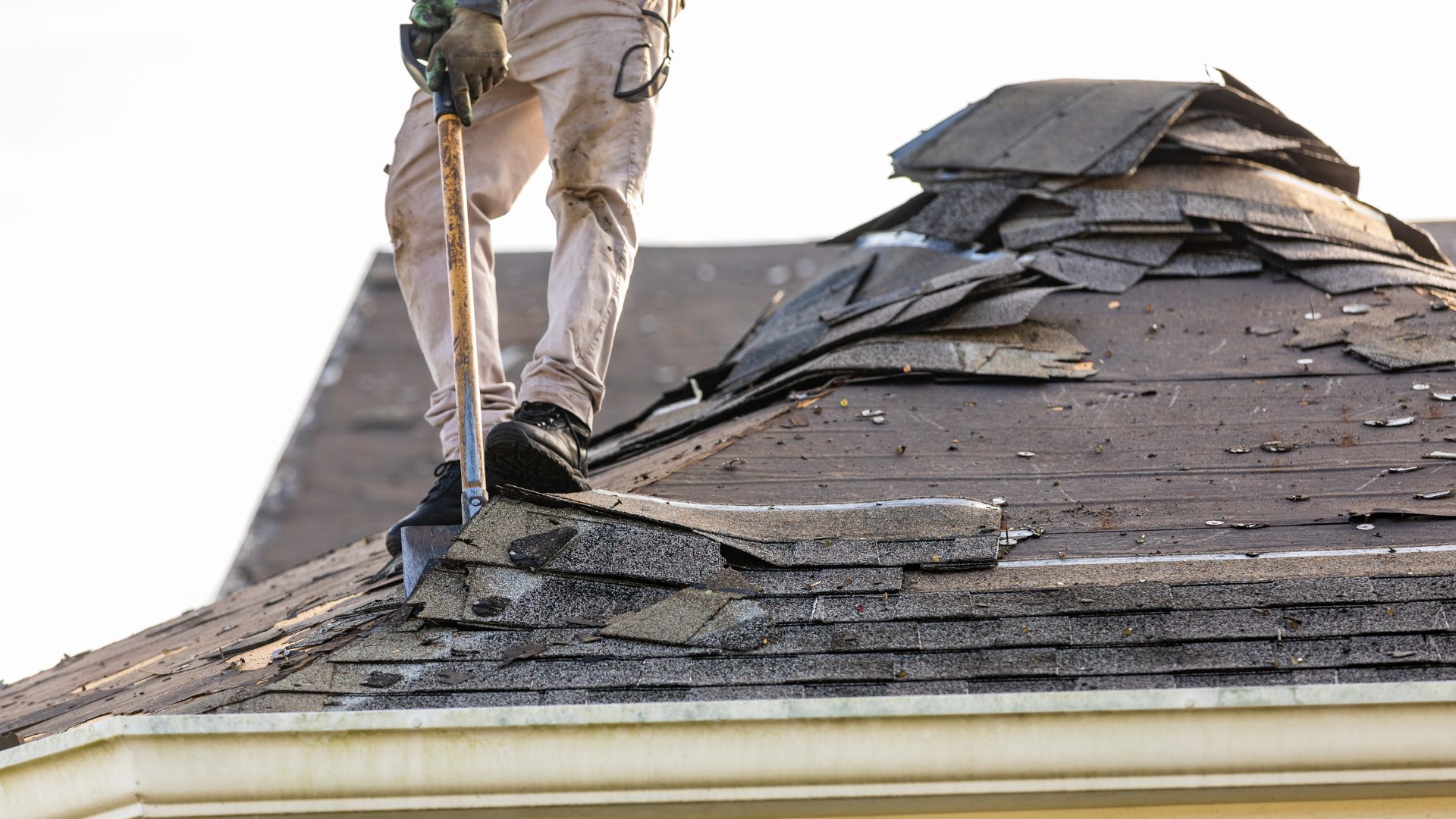
Wind damage rarely looks dramatic from the driveway. In Northern Arizona's high-wind corridors, lifted tabs, creased shingles, loose flashing, and broken sealant strips are the most common forms of damage after spring or monsoon wind events. Brittle, UV-degraded shingles are far more vulnerable than flexible, well-maintained ones, and roofs at elevation lose that flexibility years ahead of schedule. Professional repair options include shingle replacement, reflashing, and sealant reapplication. Schedule a post-wind inspection before monsoon season turns minor damage into an active leak.
| Time to Read | ~7-8 minutes |
| What You’ll Learn |
|
| Next Steps |
|
Wind events in Northern Arizona don't always announce themselves with obvious destruction. A spring gust through Prescott or a monsoon-driven windstorm in the Verde Valley can leave your roof looking perfectly fine from the driveway while hiding damage that won't reveal itself until the next heavy rain. Knowing what to look for and where to look is the difference between catching a minor repair and facing a major leak.
Why Northern Arizona Winds Are Tough on Roofs

The Verde Valley and the corridor between Flagstaff and Prescott sit in one of the windier parts of the Southwest. Spring weather systems push strong gusts through mountain passes, while monsoon season can bring wind-driven storms with gusts of 40 to 60 mph or more before the rain even starts. At elevations above 5,000 feet, those winds hit with more force and show up repeatedly throughout the year.
The bigger issue for Northern Arizona homeowners is the combination of strong wind events and aging roof shingles. A roof that’s already been weakened by UV exposure, heat, and dry desert air loses much of its flexibility and strength. In places like Flagstaff, a 10-year-old roof can age more like a 15-year-old roof in lower-elevation areas such as Phoenix. Wind that might only cause minor wear on a newer roof can do real damage to one that’s already starting to break down.
How High Winds Damage Asphalt Shingles
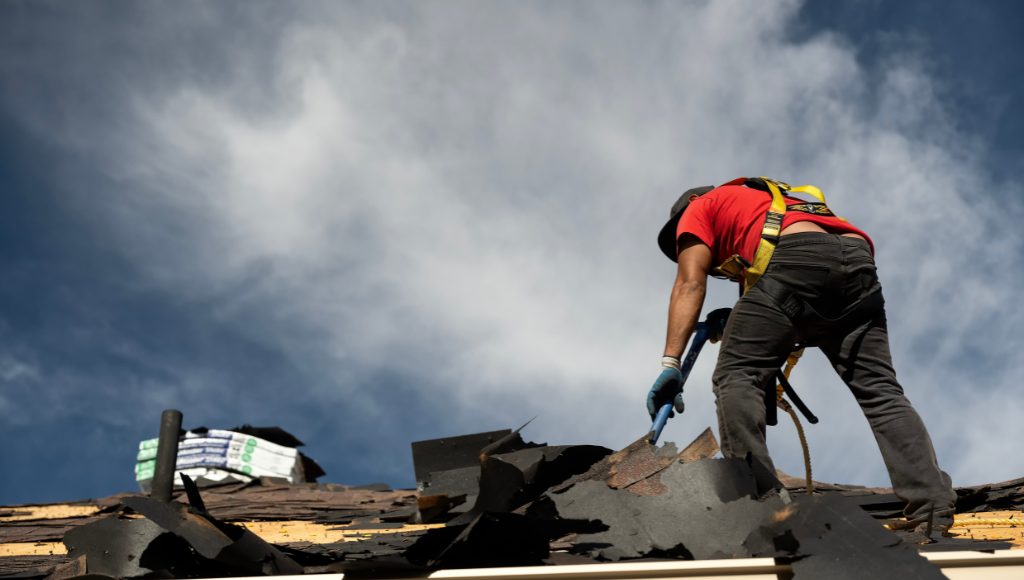
Wind doesn't just blow shingles off. It works on them gradually, and the damage it causes takes several forms.
- Lifted tabs happen when wind gets underneath a shingle edge and breaks the sealant strip that holds it down. The shingle may settle back into place afterward, but the adhesive bond is gone.
- Creased shingles happen when wind lifts a shingle and then forces it back down hard enough to fold the material. That impact leaves a permanent crease, and even if the shingle still looks intact, it’s weakened and is more vulnerable to future damage.
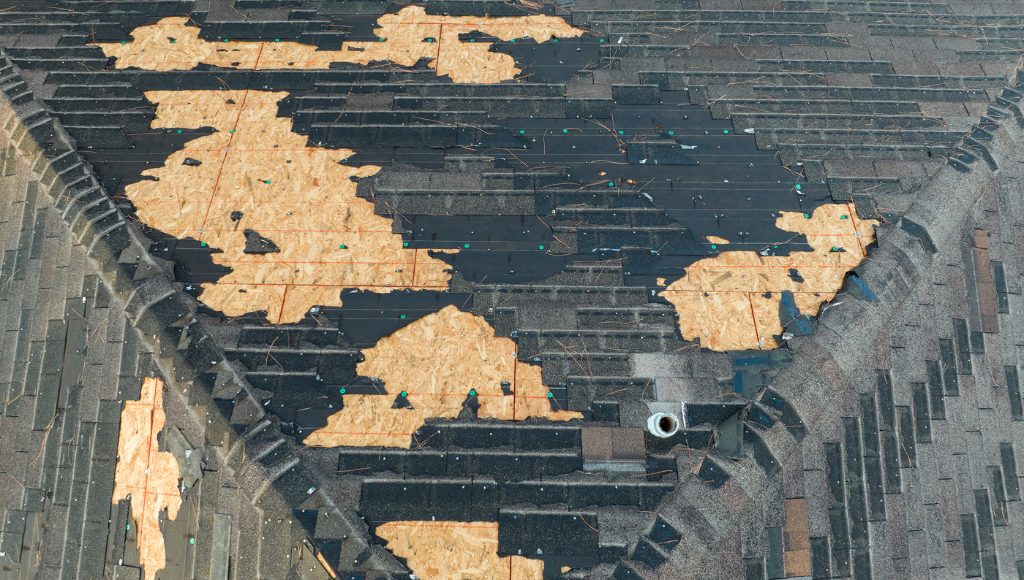
- Torn-off sections are the most visible form of damage: full shingles or groups of shingles pulled completely free, leaving bare underlayment exposed.
- Exposed underlayment is the black felt or synthetic wrap beneath your shingles. Once it's visible, your roof has lost a critical layer of protection, and water intrusion becomes a matter of when, not if.
Wind damage also tends to be directional. The windward-facing slopes of your roof take the first and hardest hit, which is worth keeping in mind when you're doing a ground-level check after a storm.
Areas of Your Roof Most Vulnerable to Wind Damage
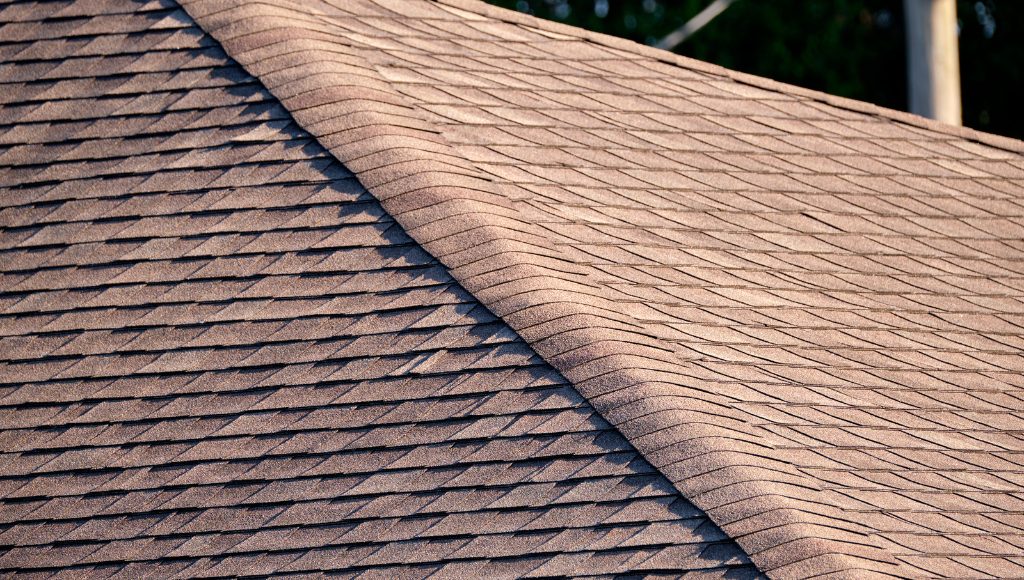
Some sections of your roof face more wind exposure than others, and those are the places to focus on after any major storm.
| Roof Areas | Why It’s Vulnerable |
| Edges and eaves | First point of wind contact, least structurally supported |
| Ridge line | Exposed to wind pressure from all directions |
| Corners | Wind wraps and accelerates around corners, increasing lift |
| Aging or loose sections | Compromised sealant strips fail under even moderate gusts |
If your roof has any sections with older, more brittle shingles, particularly on south or west-facing slopes, those areas are at higher risk than the rest of the roof.
How to Spot Wind Damage from the Ground
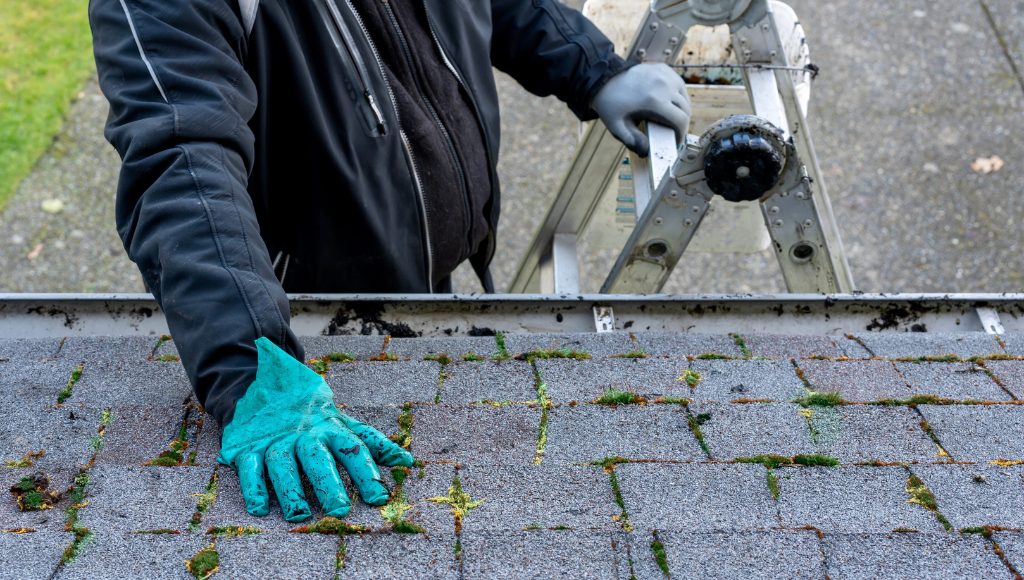
You don't need to climb on your roof to do an initial assessment. A careful ground-level look, maybe with a pair of binoculars, after a wind event, can tell you a lot.
What to look for on the roof surface:
- Shingle tabs sitting higher than the surrounding surface, indicating lifted edges
- Missing shingles or bare patches where underlayment is visible
- A wavy or uneven appearance across sections that previously looked flat
What to look for in the yard and gutters:
- Shingle pieces or fragments on the ground, in landscaping, or against fences
- Heavy granule deposits in gutters or downspout discharge areas
- Pieces of flashing or metal edging that have separated from the roof
If you're seeing any of these signs, the next step is to call in the professionals. Ground-level observation tells you something is wrong. A professional inspection tells you exactly what.
Related Reading:
- How Do I Stop My Roof From Leaking in Heavy Rain?
- How UV, Heat, & Dry Air Damage Shingles (and How to Fix It)
Hidden Wind Damage Homeowners Often Miss
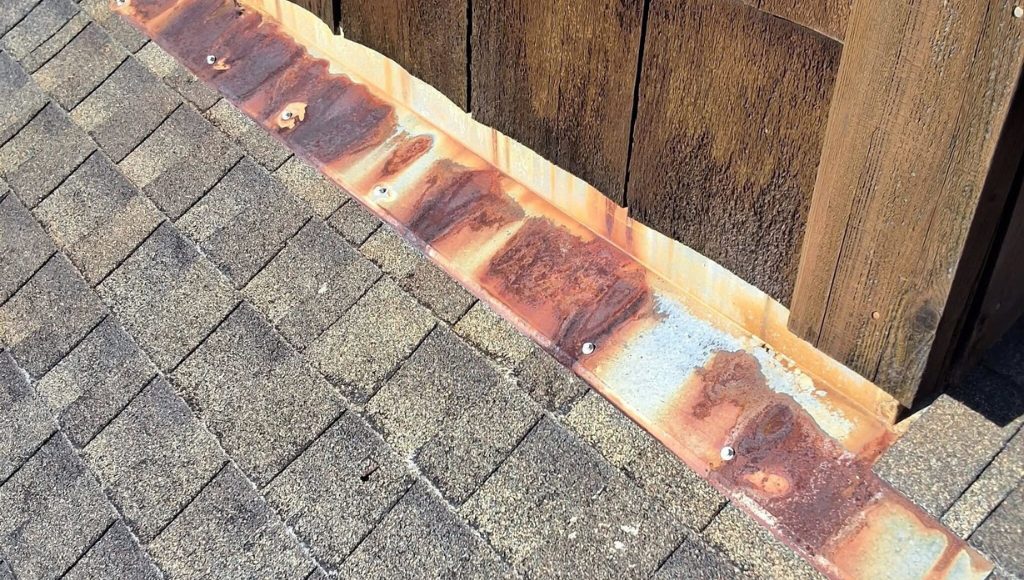
The most costly wind damage isn't always the most visible. Three types of damage frequently go unnoticed until they cause a leak.
- Loosened flashing: The metal flashing around chimneys, vents, and skylights is very vulnerable to wind. Even when the flashing looks like it’s still in place, wind stress can pull it away from the sealant that holds it flush against the roof.
- Broken sealant strips: A shingle can appear perfectly flat while the seal underneath has already failed. Wind may have lifted the tab just enough to break the adhesive bond before it settled back into place. From the ground (and sometimes even up close), everything can look normal. But once that seal is broken, the next windstorm can lift the shingle more easily, and rain has a path to work its way underneath.
- Nail pops: Repeated wind stress can work fasteners loose over time, creating raised bumps beneath shingles. Nail pops are easy to miss during a visual inspection, but create small entry points that allow water to seep into the decking.
These need to be caught up close, not from the ground, which is why scheduling a professional inspection after any major wind event is worth the call, even when your roof looks undamaged.
Why Older Shingles Are More Vulnerable
A healthy asphalt shingle is flexible. When wind lifts it, the material can bend without breaking or cracking, and return to its original state. A shingle that's been dried out by years of UV exposure, extreme heat, and low humidity has lost a lot of that flexibility, causing it to dry out and become brittle. When wind lifts a brittle shingle, it creases, cracks, or breaks rather than flexing back into position.
Northern Arizona’s climate speeds up this aging process. UV exposure becomes stronger at higher elevations, which means roofs in places like Flagstaff and Prescott tend to lose shingle flexibility much sooner than roofs with the exact same shingles in lower-elevation areas. South- and west-facing slopes take the most sun and heat, so they usually show signs of wind damage first, even when the rest of the roof still looks fine.
If your roof is ten years old or more, it's worth treating wind resistance as a serious concern, not just storm-season bad luck.
Professional Repair Options for Wind-Damaged Roofs
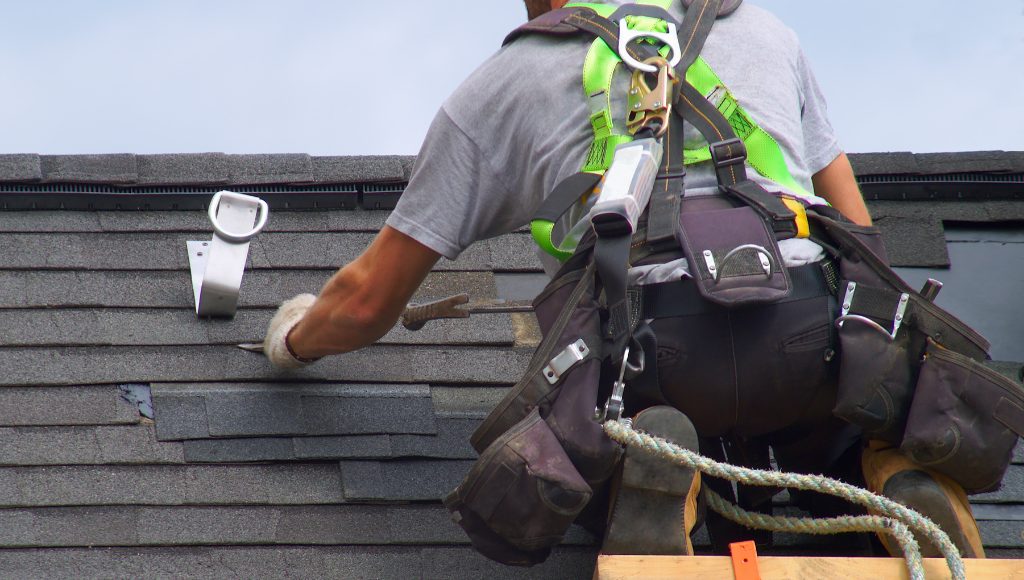
The right repair depends on what the damage assessment finds.
Shingle Replacement
Individual shingles or shingle sections are replaced using matched material, proper nailing patterns, and sealed edges. This addresses torn-off or severely creased areas.
Reflashing
Loosened or compromised flashing around chimneys, vents, and skylights is removed and reinstalled with fresh sealant and proper overlap. This is one of the most common repairs we see following a wind event.
Sealant Reapplication
Lifted tabs with broken sealant strips can be resealed when the shingle itself is still structurally sound, restoring the wind-resistance bond without having to replace the whole shingle.
Full-Section Repairs
When damage is concentrated in one area, a full-section repair replaces the affected area as a unit rather than patching individual shingles.
If your roof is in the 8 to 20-year range and showing signs of general aging alongside wind damage, Roof Maxx restoration can restore flexibility to the surrounding shingles after wind repairs are complete, improving resistance before the next storm season. It won't replace damaged shingles, but it addresses the brittleness that made them vulnerable in the first place, and can add five years of life to your roof per application.
When damage is widespread across multiple slopes or when the underlayment and decking have been compromised, full replacement is the appropriate course of action.
Why a Post-Wind-Event Inspection Matters in Northern Arizona
Wind and water damage operate on different timelines. A wind event happening in March or May can loosen or crack your shingles, but the leak only shows up in July when the monsoons start. By then, what was a minor repair has become a decking issue, and what could have been a quick fix costs a lot more to address.
Scheduling an inspection after any major wind (or storm) event closes that gap. A professional assessment identifies lifted tabs, broken sealant bonds, loosened flashing, and nail pops before rain has the chance to turn them into interior damage.
For Northern Arizona homeowners, the timing lines up well. Pre-monsoon inspections in April and May are already the right moment to assess winter and spring wind damage before the summer storm season begins. If your roof took any wind stress this spring, that inspection window is the right time to find out.
If your roof has been through a significant wind event, don't wait for water to tell you something is wrong. Book your inspection today, or call 928-494-0495 for more info.