


Summary
Heavy rain exposes roof vulnerabilities that normal weather never reveals, especially during Northern Arizona's monsoon season. Most leaks trace to failed flashing, cracked vent boots, worn sealant, aging shingles, and clogged valleys. Emergency response includes containing the water and calling professionals immediately, but pre-monsoon tune-ups in April or May can prevent leaks and save you money on repairs or replacements.
| Time to Read | ~8-9 minutes |
| What You’ll Learn |
|
| Next Steps |
|
It’s monsoon season, and you think your roof is fine. But suddenly, a drip starts. The panic, the scramble for buckets, the race to move furniture. If you've experienced a roof leak during heavy rain, you know the stress it creates. The good news is that most heavy rain leaks are preventable and fixable with the right approach.
Northern Arizona's monsoon season brings intense, wind-driven rain that exposes vulnerabilities in your roof that normal weather never reveals. Understanding why leaks happen during downpours, what to do when they happen, and how to prevent them in the first place protects your home and family, and saves you thousands in water damage repairs.
Why Roofs Leak During Heavy Rain (But Not Light Rain)
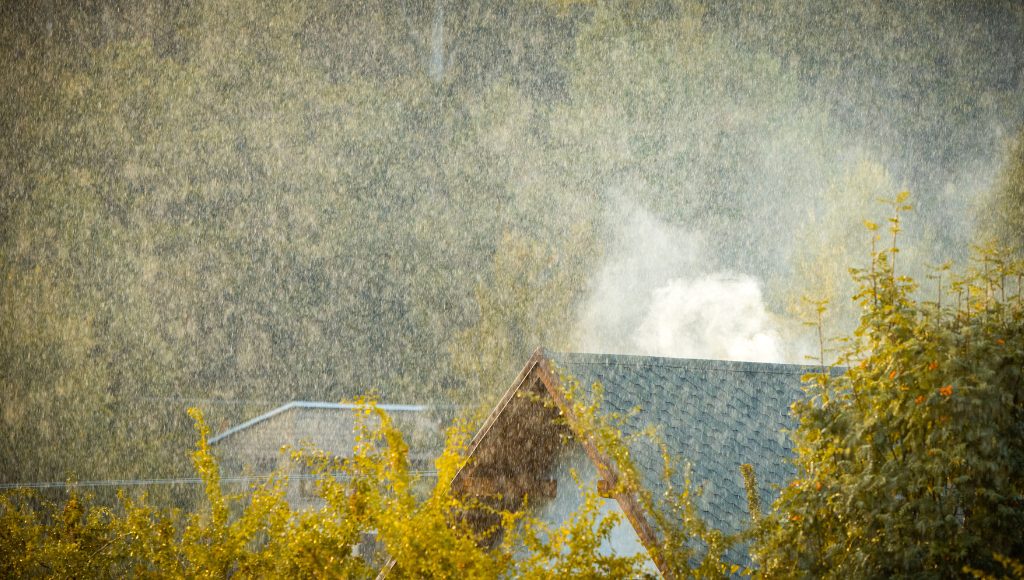
Your roof might handle normal rainstorms without an issue, but then suddenly leak during a monsoon. There’s a reason for that. Roofs are designed for rain to flow down your roof following specific drainage patterns, but heavy rain overwhelms capacity and finds every weak point.
Wind-driven rain, something we’re used to seeing during monsoon season here in Northern Arizona, pushes water sideways under roof shingles instead of letting it flow downward. Water backs up in valleys, concentrates at penetrations, and tests every seal all at once.
Heavy monsoons can deliver 2-3 inches of rain in an hour, along with sudden temperature drops, and powerful wind-driven rain with gusts reaching 40-60 mph can push water into areas it doesn’t reach during light rain.
Where Heavy Rain Leaks Usually Start
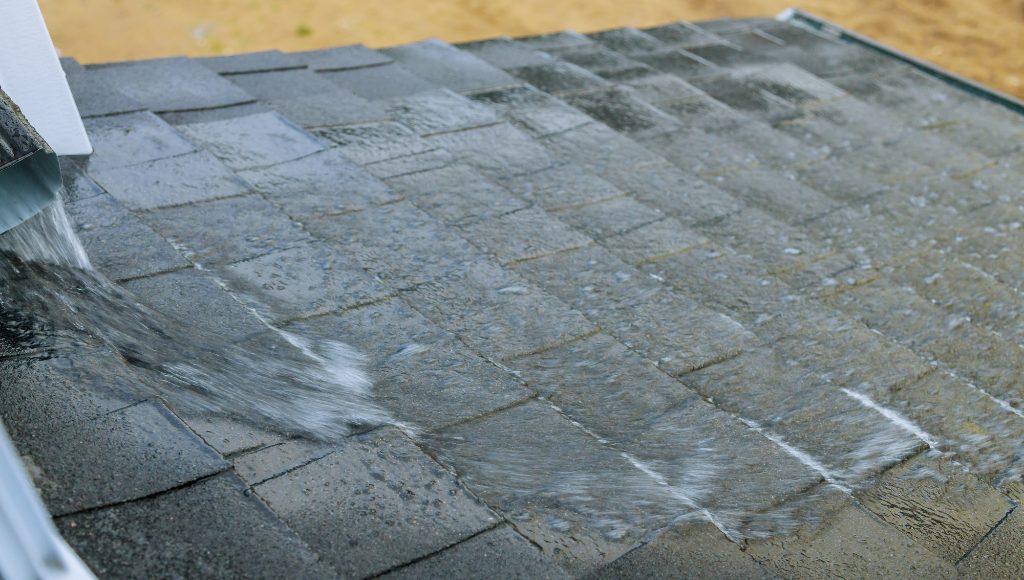
Most leaks trace back to specific vulnerable areas where different materials meet, or penetrations break the roof surface.
Failed Flashing
Flashing is the metal or rubber barrier at the joints of chimneys, walls, valleys, and dormers. Caulk dries out over time, metal corrodes, or improper installation creates gaps. The sheer volume that Northern Arizona homes see during monsoon season overwhelms these degraded seals.
The most common locations are chimney bases, where the roof meets the walls, and valley flashing between the roof slopes.
Cracked Vent Pipe Boots
Rubber boots around vent pipes crack from years of UV exposure. These small cracks are invisible during dry weather, but heavy rain drives water down the pipe exterior directly into your attic. This is especially common in roofs 10+ years old, where original boots haven't been replaced.
Worn Sealant Around Penetrations
Skylights, satellite dishes, vents, and exhaust fans all penetrate your roof, and the sealant around these penetrations degrades from the extreme UV exposure and thermal cycling we see in Northern Arizona. Light rain doesn't reach these microscopic gaps, but heavy, wind-driven rain will find every opening.
Aging or Damaged Shingles
Curled shingle edges create gaps for water entry, cracked or missing shingles expose your roof’s underlayment, and granule loss reduces waterproofing. The combination of heavy rain and wind during the monsoon season lifts these compromised shingles, so water seeps beneath them.
Clogged Valleys
The valleys of your roof channel large volumes of water from two roof slopes, and allow pine needles, leaves, and other debris to create dams that prevent proper drainage. Water backs up under the shingles along the valley edges instead of flowing to the gutters, and corrosion of the metal valley creates direct leak paths into your home.
What to Do During an Active Roof Leak
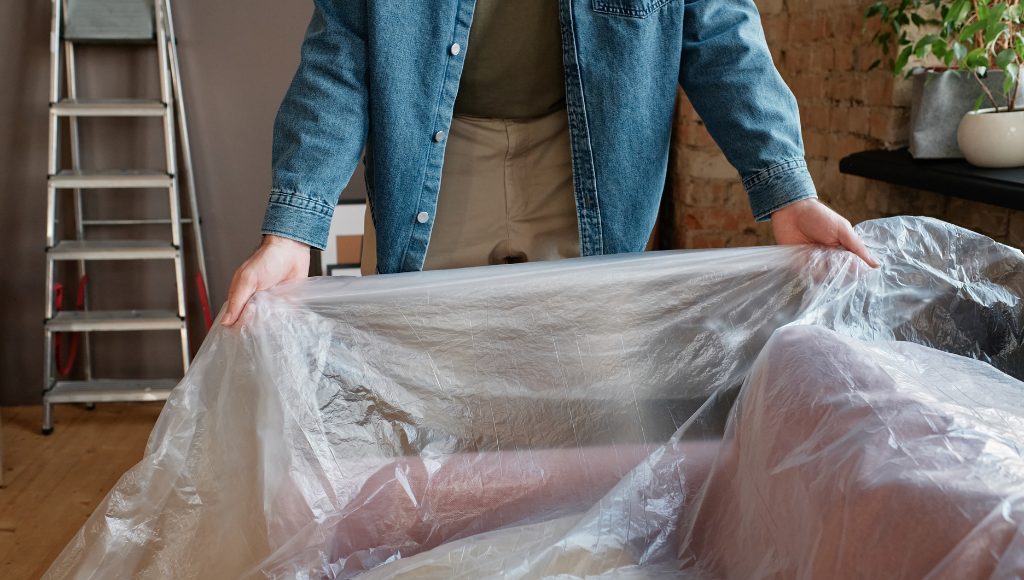
When water is coming through your ceiling, immediate action minimizes damage. Here's what to do during the storm.
Contain the Water:
- Place buckets or containers under all drip points
- Put towels around bases to catch splashing
- Poke a small hole in a bulging ceiling to drain water in a controlled spot (prevents ceiling collapse)
- Move furniture, electronics, and valuables away from leak areas
Protect Your Belongings:
- Turn off electricity in affected rooms if water is near outlets or fixtures
- Cover remaining furniture with plastic sheeting
- Move important documents and electronics to dry areas
- Set up fans after the rain stops to prevent mold
Document Everything:
- Take photos and videos of the leak and water damage
- Note the time the leak started and the rain intensity
- Photograph the exterior roof if it’s safe to do so after the storm
- Keep all receipts for emergency supplies
Call a Professional:
- Don't wait for the storm to end to schedule an inspection
- Many roofers offer emergency response during monsoon season
- Temporary tarping prevents additional damage
- Professional assessment is essential for insurance claims
What NOT to do:
- Don't climb on a wet roof during a storm
- Don't attempt permanent repairs in the rain
- Don't ignore small leaks, thinking they'll stop when the rain does.
Why Interior Patches Don't Stop Roof Leaks
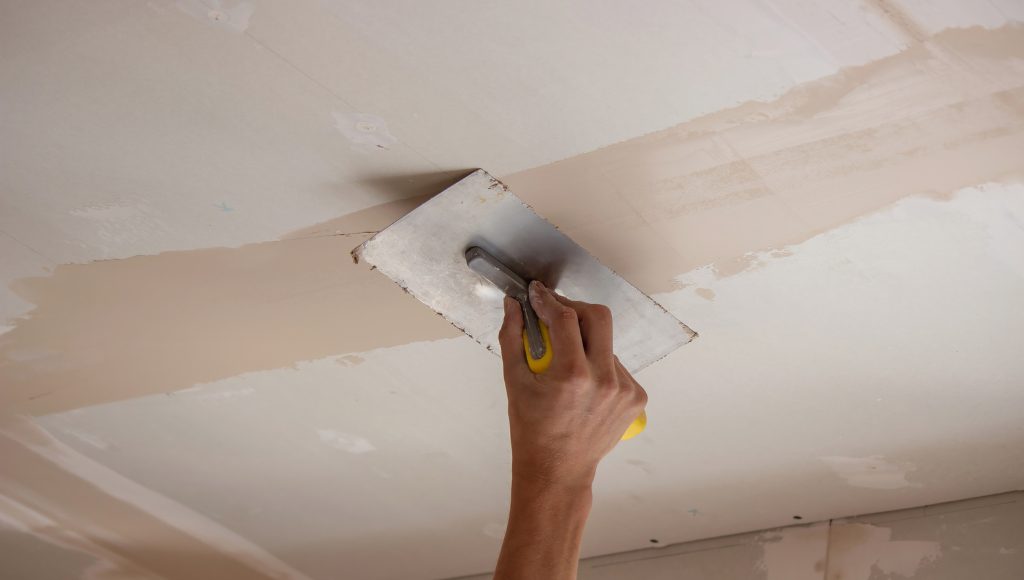
Patching your ceiling addresses the symptom, not the cause. Water travels along rafters, decking, and structural members before dripping because the drip point inside is rarely directly below the actual roof leak. There could potentially be two to three feet or more from entry point to drip point.
While your ceiling patch might look fine, water often continues entering your roof system, spreading along decking, soaking your insulation, and creating hidden rot and mold in areas you can't see, but that can get your family extremely sick. Stopping water at its entry point prevents these issues and permanently addresses the root cause.
How Professional Roofers Stop Heavy Rain Leaks
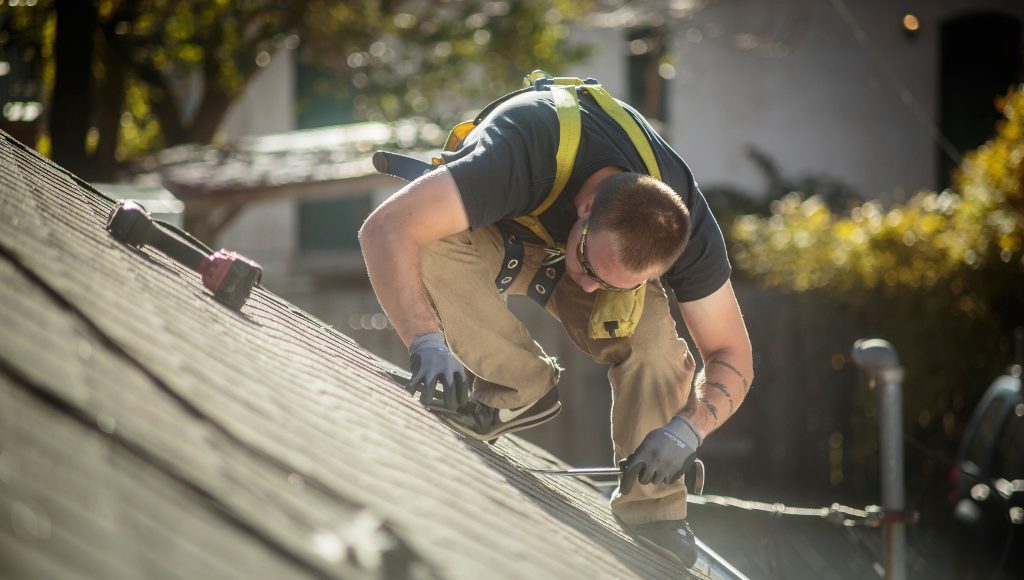
Professional repairs address the sources of leaks using materials and techniques designed for Northern Arizona's climate.
Common Leak Sources and Professional Solution Tips from the Experts:
| Leak Source | Typical Repair | Timeline | Prevention |
| Failed flashing | Remove old flashing & install new with proper overlap and sealant | 2-4 hours | Annual inspection |
| Cracked vent boot | Replace the rubber boot and reseal the penetration | 1-2 hours | Replace every 10 years |
| Worn sealant | Remove degraded sealant, apply UV-rated replacement | 1-3 hours | Re-seal every 5-7 years |
| Damaged Shingles | Replace the section, ensure proper nailing and edge sealing | 2-6 hours | Pre-monsoon tune-up |
| Clogged valleys | Clean debris, repair or replace damaged metal | 2-4 hours | Bi-annual cleaning |
Professional repair includes a thorough inspection to identify all sources of leaks, materials rated for extreme temperature swings and UV exposure, a workmanship warranty, and an honest assessment of whether repairs are sufficient or replacement is needed.
Pre-Monsoon Prevention: The Roof Tune-Up
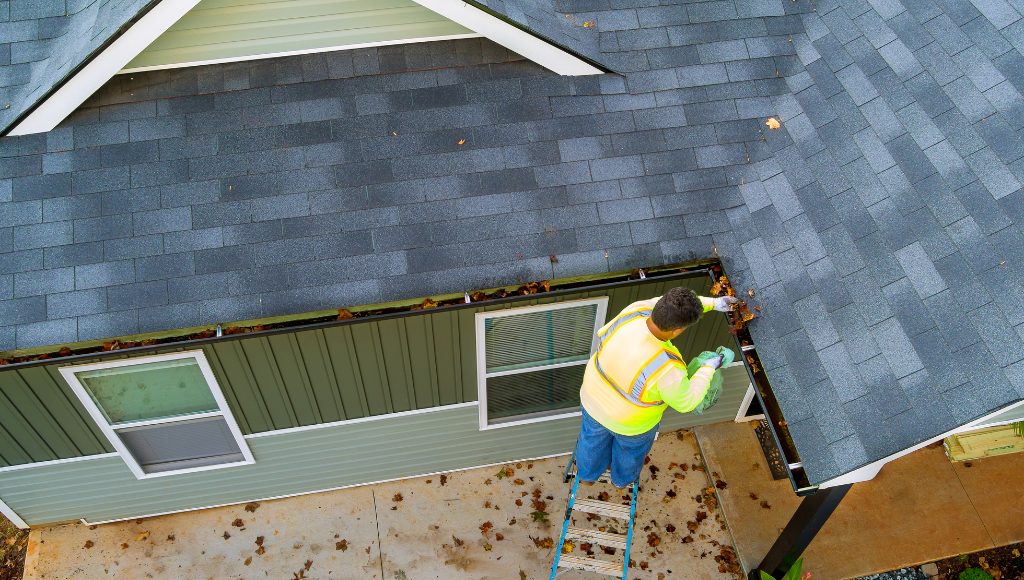
The best time to fix a roof leak is before it happens. But we know that’s easier said than done in most cases, which is why our team of roof experts suggests homeowners in Northern Arizona schedule pre-monsoon roof inspections in April or May. This can prevent emergency calls during the July and August storm season.
A comprehensive pre-monsoon inspection covers:
- Complete visual inspection of all roof surfaces
- Flashing examination at penetrations and transitions
- Sealant assessment around vents, pipes, and skylights
- Shingle condition evaluation
- Valley inspection and debris removal
- Gutter and drainage system check
- Attic inspection for previous water intrusion signs
A professional tune-up process usually involves cleaning gutters and roof surfaces, removing any leaves and organic debris from valleys, resealing minor gaps, fixing nail pops, replacing worn vent boots, and securing loose shingles. These small repairs cost a fraction of emergency repair pricing and catch problems when they're small and cheap to fix.
| ⏰ Timing matters. Getting roof work done in April to May allows repairs to cure properly before monsoon season starts and gives contractors time to source any needed materials when they're less busy. |
How Roof Restoration Prevents Heavy Rain Leaks
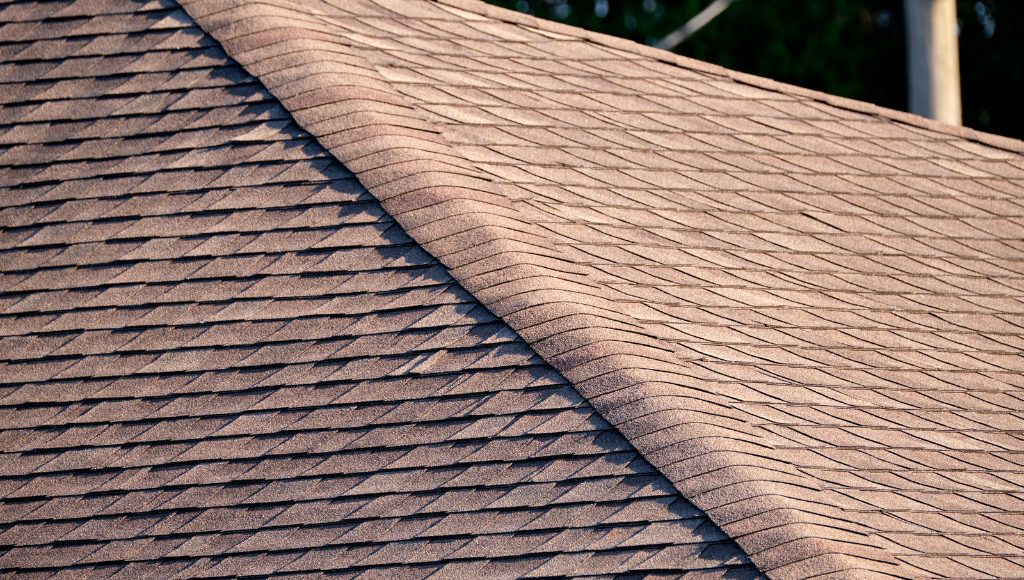
Shingles lose their petroleum-based oils over 10-15 years of exposure to the Arizona sun.
- They become brittle and inflexible.
- Edges curl up, creating water entry points.
- Granule loss exposes asphalt to direct water contact.
- Waterproofing properties decrease.
- Small gaps become major leaks during heavy rain.
Roof Maxx restoration restores protective oils to dried-out shingles, returns flexibility, so shingles lay flat, improves granule adhesion, and enhances overall waterproofing. Flexible shingles seal properly against wind-driven rain, protecting your roof, your home, and your family. A single application can extend the life of your roof by 5 years for a fraction of the cost of replacement.
Keep in mind that restoration doesn't fix active leaks from damaged flashing (repair those first), structural issues, decking damage, severely damaged or missing shingles, or immediate emergency leaks. It works best as prevention, not an emergency response.
When Leaks Mean It's Time for Replacement
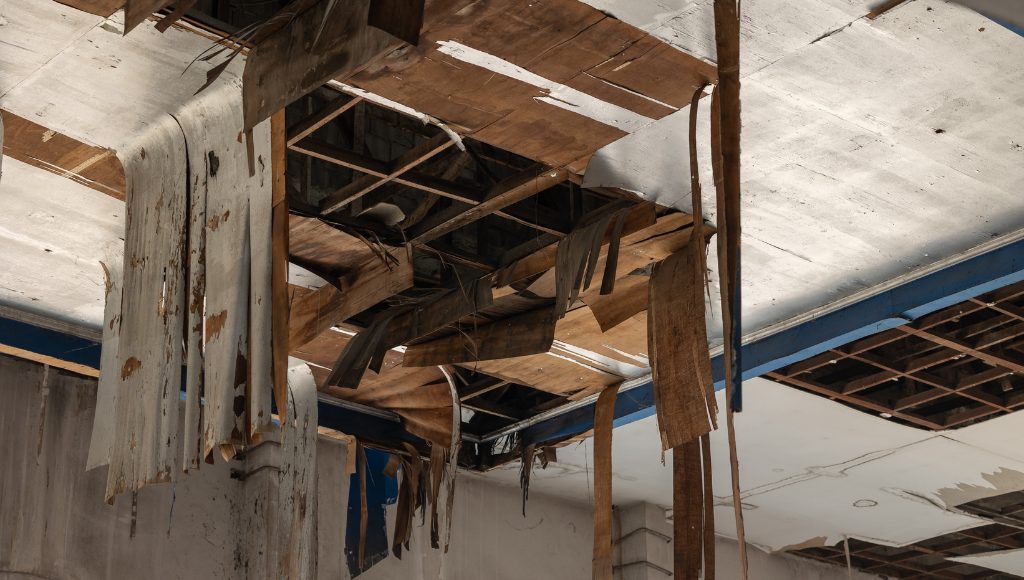
Some leak patterns signal deeper problems that repair can't solve:
- Multiple leak locations across different roof areas
- Leaks that return after professional repair
- Visible sagging or soft spots in the roof decking
- Roof approaching or past 20-25 years expected lifespan
- Extensive water damage to the attic, insulation, or framing
- Widespread shingle deterioration across the entire roof
- Previous repairs covering 30% or more of the roof surface
Your roof may have hidden structural issues that you don’t even know about until it springs a leak, including rotted decking beneath shingles, compromised roof framing from long-term water intrusion, saturated insulation that loses insulating value and promotes mold growth, and damaged fascia and soffit from water running off the roof.
Multiple small leaks tend to add up over time and can actually cost more to repair than homeowners expect. Add in to that the repeated emergency calls you might have to make during a storm, and the bills add up quickly. Replacement provides warranty coverage and peace of mind, and new roofs increase home value and come with financing options that make them more accessible.
Protect Your Home Before the Next Storm
Pre-monsoon tune-ups in April or May can catch problems before they become emergencies, and roof restoration with Roof Maxx extends the lifespan of your roof and improves waterproofing for years to come. But Roof Maxx doesn’t fix leaks, and it’s important to remember that persistent or widespread leaks might be an indication that your roof needs to be replaced. Experienced pros like the experts at Enviro Pro can check out what’s going on with your roof and provide honest, straightforward answers with no obligation to buy, ever.
Don't wait for leaks to start before you call for help. Schedule a pre-monsoon inspection with Enviro Pro to identify any potential vulnerabilities in your roof before storm season begins. A small leak during heavy rain is your roof telling you it needs attention. Listen now, or pay more later.