

Summary
Roof-mounted HVAC units and swamp coolers are common on homes in Northern Arizona, but most homeowners don't realize they can damage the roof beneath them. Concentrated weight, vibration, technician foot traffic, and condensation drain failures all accelerate shingle wear and create hidden leak risks. At high elevations where shingles already age faster than national averages, the damage compounds quickly. Knowing the warning signs and keeping up with professional maintenance around rooftop equipment protects both your roof and your cooling system.
| Time to Read | 7-8 minutes |
| What You'll Learn |
|
| Next Steps |
|
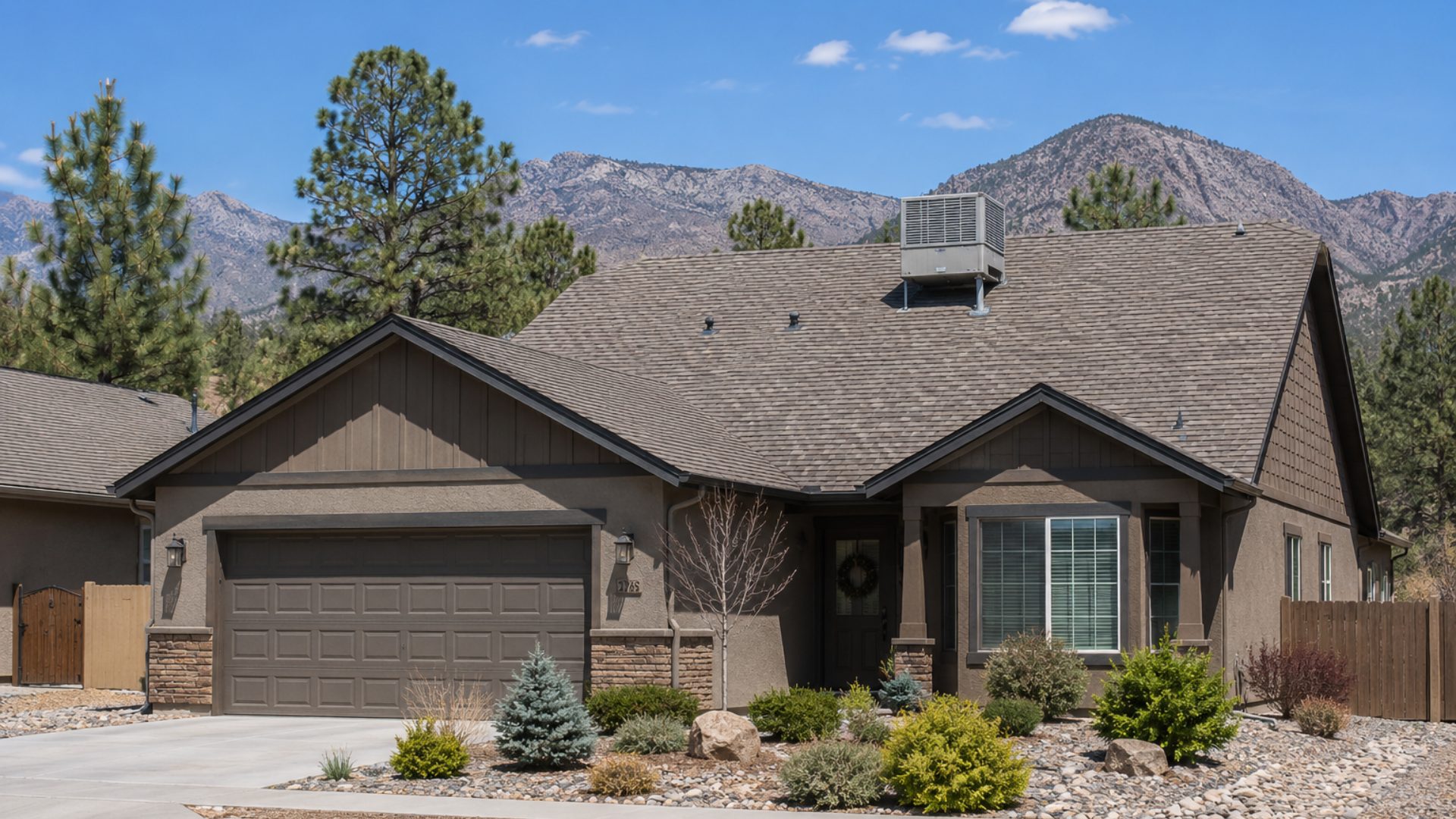
Rooftop HVAC units and swamp coolers are a fixture on Northern Arizona homes. At the high elevation and heat we face here, efficient cooling is a necessity, not an option. But the unit sitting on your roof right now may be quietly damaging the surface beneath it in ways that don't show up until the problem is already well underway.
Most homeowners think about roof damage in terms of storms and weather. What they don't always connect is the slow, ongoing wear that comes from having heavy mechanical equipment bolted to their roof year-round. Weight stress, vibration, foot traffic from service technicians, and condensation runoff all take a toll on shingles that are already working hard in one of the most demanding climates in the country.
The team at Enviro Pro has seen this pattern on roofs across Prescott, Prescott Valley, and the Verde Valley, and knowing what to look for is the first step toward getting ahead of it.
How Rooftop AC Units Damage Your Roof
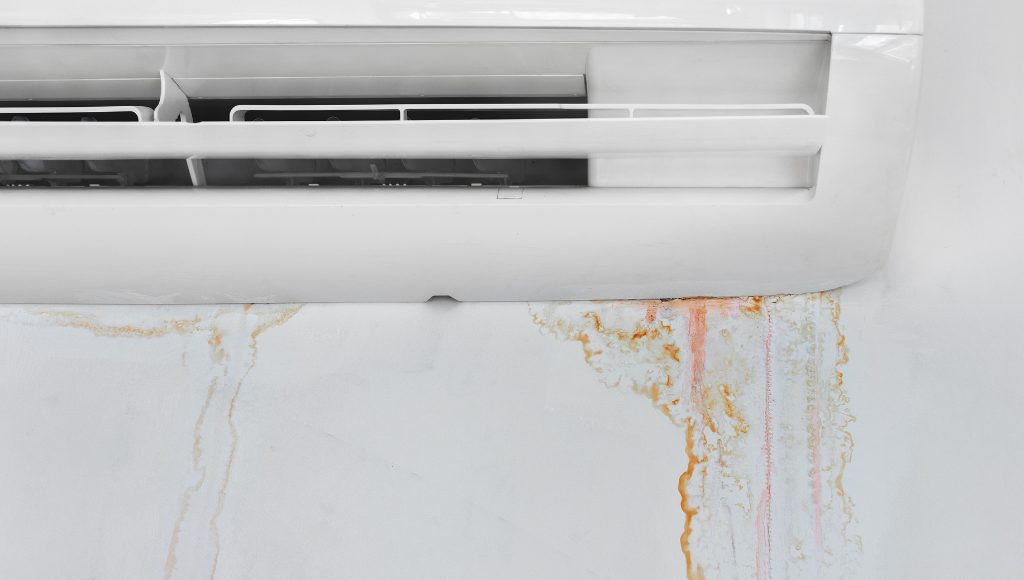
Wind, UV, and monsoons get the most attention when it comes to roof damage in Northern Arizona. Rooftop equipment rarely comes up, but it creates its own set of problems.
Concentrated Weight Stress
A rooftop AC unit or evaporative cooler can weigh anywhere from 200 to 400+ pounds. Unlike distributed foot traffic, that weight sits on a fixed footprint every day of the year, compressing shingles and putting constant stress on the decking beneath the mounting points. Over time, shingles under and around the base can crack, indent, or lose granule integrity faster than the surrounding roof surface.
Vibration Wear
Each time the compressor turns on and off, it creates small vibrations that travel through the unit’s mounting system and into the roof structure. Homeowners won’t feel it, but over time, those repeated vibrations can weaken sealant connections, loosen hardware, and slowly work fasteners loose from the decking below.
Water Pooling Around the Base
Most rooftop AC units create slight dips around their base where the roofing surface settles unevenly over time. During monsoon storms or winter snowmelt, those low areas can hold water against the shingles longer than it should, and that extra moisture exposure speeds up granule loss and increases wear on the roofing material surrounding the unit.
Common Problem Areas
Some spots around rooftop HVAC equipment are more vulnerable than others.
| Problem Areas | What Happens | Why It Matters |
| Mounting bracket sealant | Cracks from heat cycling and UV exposure | Opens a direct path for water intrusion at penetration points |
| Shingles beneath the unit | Crushed or cracked from sustained weight | Loses granule protection and waterproofing ability |
| Flashing at penetrations | Wind stress and vibration pull it from the sealant | Active leak risk, especially during monsoon season |
| Condensate drain line exit | Clogging or failure causes standing water | Localized shingle deterioration and potential deck rot |
In Northern Arizona, these vulnerabilities are amplified. UV exposure at high elevations already depletes petroleum oils in asphalt shingles faster than manufacturers' warranties account for. Add the stress of rooftop equipment on top of that, and areas around the unit age faster than the rest of the roof.
The Foot Traffic Problem
Homeowners with rooftop HVAC units typically schedule their rooftop equipment for service two or more times per year, with additional visits for repairs. Each service call means someone walking across your shingles.
That might sound minor, but in a climate where UV exposure at elevations between 3,000 and 6,500 feet already outpaces what lower-elevation areas like Phoenix receive, asphalt shingles lose flexibility much sooner than the national average suggests. Foot traffic that's harmless on a newer roof can cause real granule loss and surface cracking on a roof that's 10 or more years old. South- and west-facing slopes already age 3 to 5 years faster than north-facing ones, so if your unit is mounted on one of those slopes, routine service visits are working on shingles that are already under more stress than the rest of the roof.
Protective equipment pads beneath the mounting frame help reduce both weight concentration and the impact of foot traffic from technicians. They're worth asking about during your next HVAC service if they're not already in place.
The Hidden Water Damage Risk
Rooftop HVAC units produce condensation as a byproduct of their normal operation. Although most units have a drain line that routes that water off the roof in a controlled way, that line can clog, disconnect, or fail. When this happens, condensate ends up sitting directly against shingles and flashing instead.
Over a full cooling season, that localized moisture exposure is enough to cause:
- Accelerated granule loss around the drain exit point
- Shingle softening and premature breakdown
- Water intrusion into the decking if the issue goes unaddressed
The problem with drain line issues is that they tend to go unnoticed until a ceiling stain appears below the unit or a technician spots it during an unrelated visit. But by then, what could've been a drain line fix has become a shingle replacement, or worse, a decking repair.
Signs Your Rooftop AC is Causing Damage
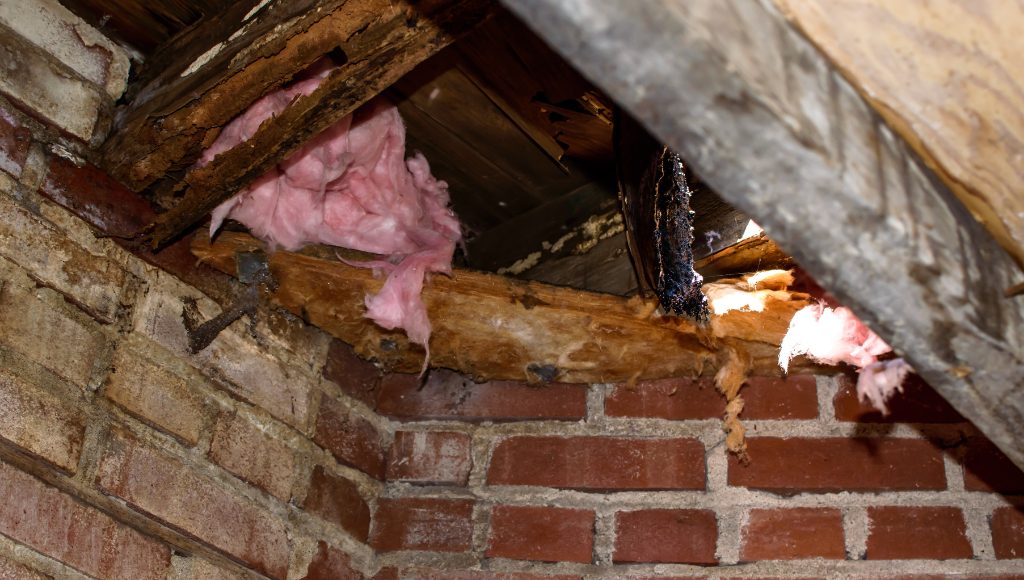
You don't need to get up on the roof to do an initial check. Here's what to look for from the ground and inside your home:
- Water stains on interior ceilings directly below the unit, especially after rain or during the cooling season
- Granule buildup in gutters or downspouts directly beneath where the unit is mounted
- Visible indentation or flattening in the shingle surface around the unit base
- Cracked or missing sealant at mounting bracket penetrations (sometimes visible with binoculars)
- A soft or spongy feel in the ceiling below the unit, which can indicate decking moisture
- A condensate drain line that drips or runs continuously rather than only during peak operation
Any one of these is worth a professional inspection. Some of what's happening around rooftop equipment can't be seen from the ground, and by the time interior signs appear, the damage has usually been developing for a while.
Professional Repair Solutions
The right repair depends on what the inspection finds, but these are the four most common fixes for rooftop AC damage.
Reflashing and Resealing Mounting Points
Old or cracked sealant at mounting brackets and penetration points is removed and replaced with compatible roofing sealant. Where needed, new flashing is installed with proper overlap. This is the most common repair we see around rooftop equipment, and it's almost always faster and less expensive when it's caught before a monsoon season rather than after.
Shingle Replacement
Crushed, cracked, or bare shingles beneath and around the unit are replaced with matched material. This also gives a roofer the chance to inspect the decking directly while access is available, before any moisture intrusion goes further.
Drain Line Inspection and Rerouting
A professional roofer can ensure that your AC unit’s condensate is draining properly and determine whether the exit point is causing shingle damage around the unit. Rerouting or extending the drain line away from vulnerable areas is a quick fix that prevents continued deterioration of the surrounding roof area.
Protective Equipment Pads
When a rooftop HVAC or swamp cooling unit is repositioned or reinstalled, rubber or composite isolation pads beneath the mounting frame distribute weight more evenly and reduce vibration transfer into the roofing surface. These are low-cost upgrades that pay off over time.
Regular Maintenance Around Rooftop Equipment
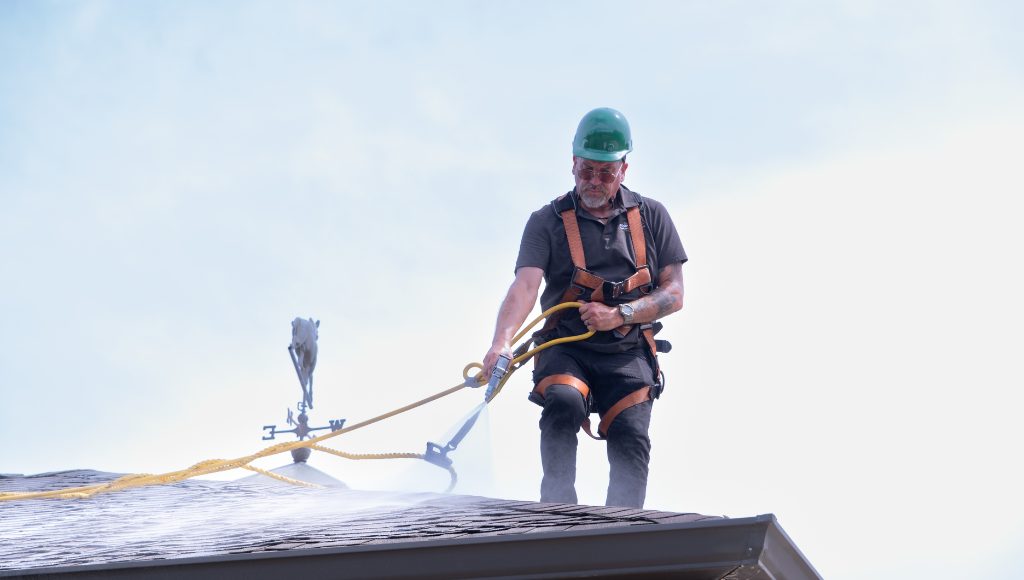
For homes with rooftop HVAC, ensuring you don’t miss your pre-monsoon inspection in April and May is even more important, as you should always have mounting points, sealant condition, flashing, and the area directly around the unit thoroughly checked before storm season puts moisture pressure on any weak spots.
If your roof is between 8 and 20 years old, it's worth asking about Roof Maxx restoration at the same time. Restoring flexibility to shingles stressed by weight, heat cycling, and Northern Arizona's dry air helps them hold up better against the ongoing demands of rooftop equipment. A single treatment adds five years of life to your roof, and it can be applied up to three times for a total extension of 15 years, at a fraction of the cost of replacement.
If a professional inspection finds that the shingles beneath your rooftop unit have been badly compromised or that the decking has already absorbed water, replacing the affected section will likely be the most cost-effective solution.
The Bottom Line
The good news is that most damage around rooftop HVAC equipment is caught and repaired before it becomes a major problem. The key is not waiting for an interior water stain to tell you something's wrong. A pre-monsoon inspection gives you the information you need to make the right call before storm season begins. Don’t wait until it’s too late. Schedule your inspection with Enviro Pro today.