

Summary
Northern Arizona's high elevation creates triple-threat conditions: intense UV radiation breaks down shingle oils through photo-oxidation, extreme heat accelerates oil evaporation and causes thermal cracking, and bone-dry air wicks remaining moisture from asphalt. Visual warning signs for homeowners to look out for include color fading, granule accumulation in gutters, surface cracking, and brittle texture. With Roof Maxx, you can replenish the oils in your shingles, restoring flexibility and extending their life by 5-15 years.
| Time to Read | ~8 minutes |
| What You’ll Learn |
|
| Next Steps |
|
A 10-year-old roof in Phoenix might last another decade, but that same roof in Flagstaff could already be failing. Northern Arizona's combination of high elevation, intense UV, extreme heat, and bone-dry air ages shingles years ahead of schedule.
These environmental factors multiply each other's destructive effects, turning what should be a 25-year roof into one that needs attention at 12 years. Understanding how UV, heat, and dry air damage your shingles helps you catch problems early, and Enviro Pro can help you choose the solution that’s right for you, your home, and your budget.
Why Northern Arizona Is Uniquely Hard on Roofs
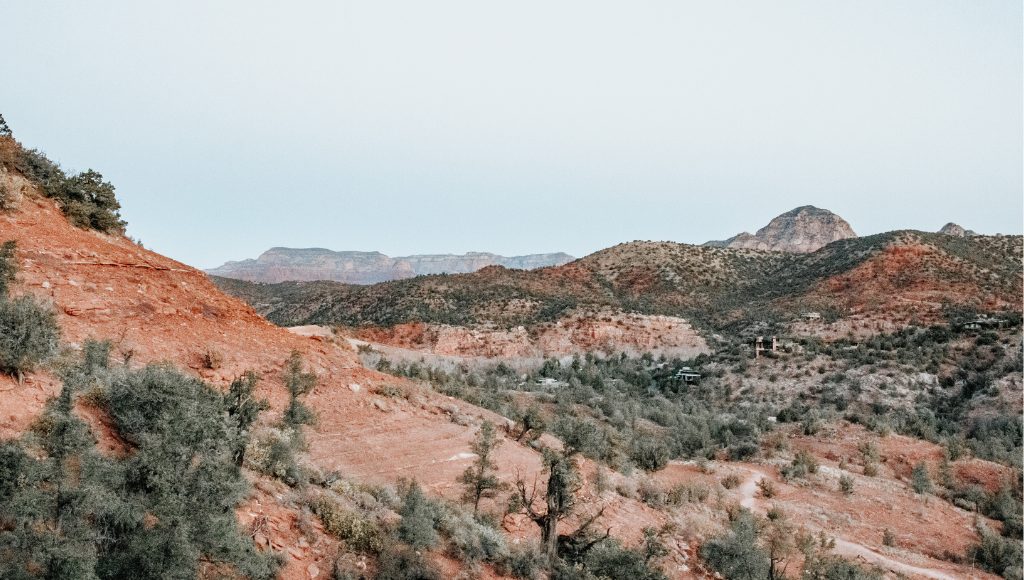
Flagstaff, at 7,000 feet, receives far more UV radiation than Phoenix, at 1,100 feet, because the thinner atmosphere at high elevations filters less UV before it reaches your roof. One important piece of info that very few people know is that every 1,000-foot increase in elevation increases UV exposure by approximately 6-8%.
Environmental Factors by Northern Arizona Location:
| Location | Elevation | Summer High | UV Exposure | Estimated Impact |
| Phoenix | 1,100 ft | 106°F | Moderate | Baseline |
| Sedona | 4,500 ft | 95°F | High | -20% lifespan |
| Prescott | 5,400 ft | 90°F | High | -30% lifespan |
| Flagstaff | 7,000 ft | 82°F | Very High | -40% lifespan |
The combination creates accelerating damage. UV breaks down chemical bonds in asphalt; heat accelerates the chemical breakdown it initiates; and dry air wicks away the oils needed to maintain flexibility. Each factor amplifies the others, and a 25-year shingle might show severe aging in just 10-12 years.
How UV Radiation Destroys Asphalt Shingles
Ultraviolet radiation gradually changes the chemical makeup of asphalt shingles at a very basic level.
These shingles are made with petroleum-based oils and resins that give them flexibility and help keep water out. Over time, UV exposure breaks down those compounds through a process called photo-oxidation. As a result, the flexible oils start to turn into dry, brittle, powdery material.
At higher elevations, UV rays are stronger because there’s less atmosphere to filter them, so the damage happens faster.
How UV damage progresses:
- Years 1 to 5: Oils slowly break down with little visible damage. The color may fade slightly, but the shingles are still flexible.
- Years 6 to 10: The breakdown becomes more noticeable. Shingles start losing granules and become less flexible.
- Years 11 to 15: Shingles turn brittle. Cracking becomes widespread, and granule loss is much more severe.
This timeline gets compressed at higher elevations. What takes 15 years at sea level might happen in 8-10 years in Flagstaff.
Ceramic granules on the shingle surface provide UV protection, but as UV breaks down the asphalt underneath, granule adhesion weakens. Then the granules wash off during rain, exposing bare asphalt to direct UV, and once they are gone, UV damage accelerates exponentially.
South-facing and west-facing slopes receive the most intense, direct UV exposure. Damage appears on these slopes 2-3 years before it does on north-facing areas.
How Heat Accelerates Shingle Aging
When the air temperature in Flagstaff reaches 85°F on a summer day, the roof surface temperature can hit 130-150°F. Dark-colored shingles absorb more heat, reaching surface temps of 160°F.
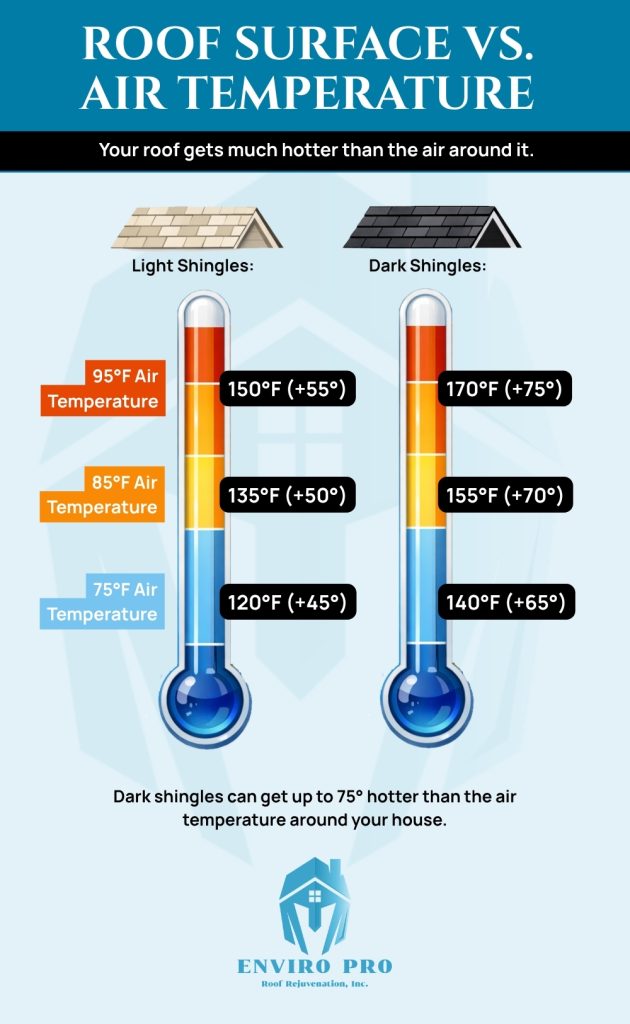
Heat damages shingles in multiple ways:
- Volatile petroleum oils evaporate faster under sustained heat.
- Daily temperature swings cause shingles to expand and contract.
- Extreme heat temporarily softens asphalt, making it more vulnerable to mechanical damage.
- Chemical reactions that normally take years happen in months.
Cracking tends to start small, and usually it can be found right along the edges of shingles and around cut lines where stress tends to build up. Over time, those tiny cracks can deepen into larger splits that expose the underlayment and eventually cause the shingles to break apart.
In Northern Arizona, freeze-thaw cycles can make a bad roof situation even worse. When shingles have already been weakened by sun exposure, they can absorb water. Then, as temps drop, that water freezes and expands, creating tiny cracks in your shingles. Each cycle makes those cracks a little bigger, and when the summer heat returns, it pushes them even further, speeding up the damage.
How Desert Air Dries Out Your Roof
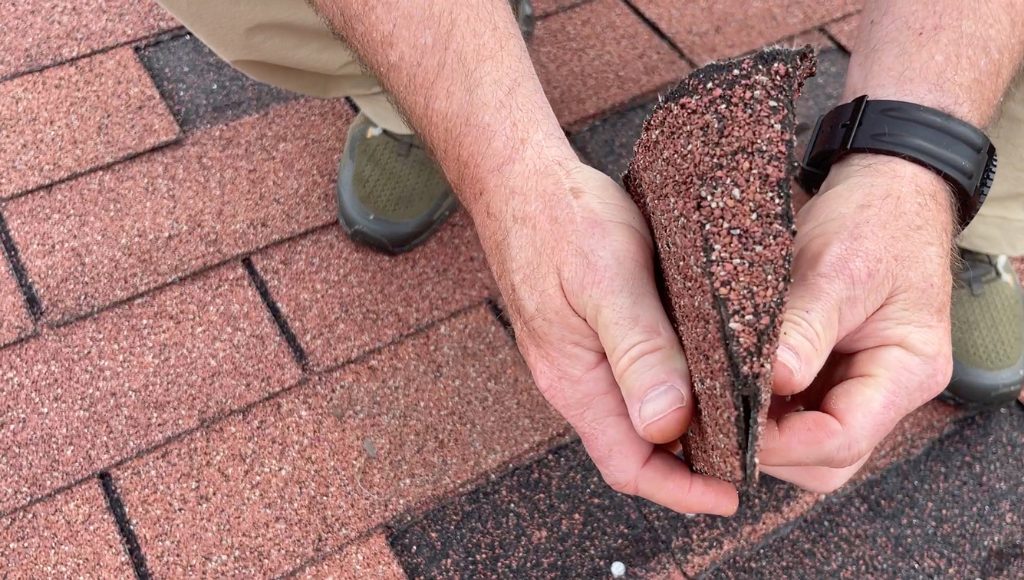
Arizona’s dry climate can be surprisingly tough on asphalt shingles. Because the air has so little humidity, it gradually pulls moisture and oils from the shingles, causing them to dry out and become brittle over time.
Most asphalt shingles actually contain about 30% to 40% petroleum-based oils. Those oils are what keep them flexible, waterproof, and able to handle changing weather. But in very dry conditions, those oils slowly rise to the surface and evaporate under the sun’s heat.
In northern Arizona in particular, humidity often drops below 20%, sometimes even below 10%. That kind of dryness constantly draws moisture out of the shingles, speeding up wear and tear more than many homeowners expect.
As oils deplete, asphalt becomes rigid and inflexible, causing brittle shingles to crack under the normal thermal expansion and contraction that happens daily. Uneven oil loss causes edges to curl upward, and the loss of these protective oils compromises the shingle's ability to shed water properly.
Visual Warning Signs of Environmental Damage
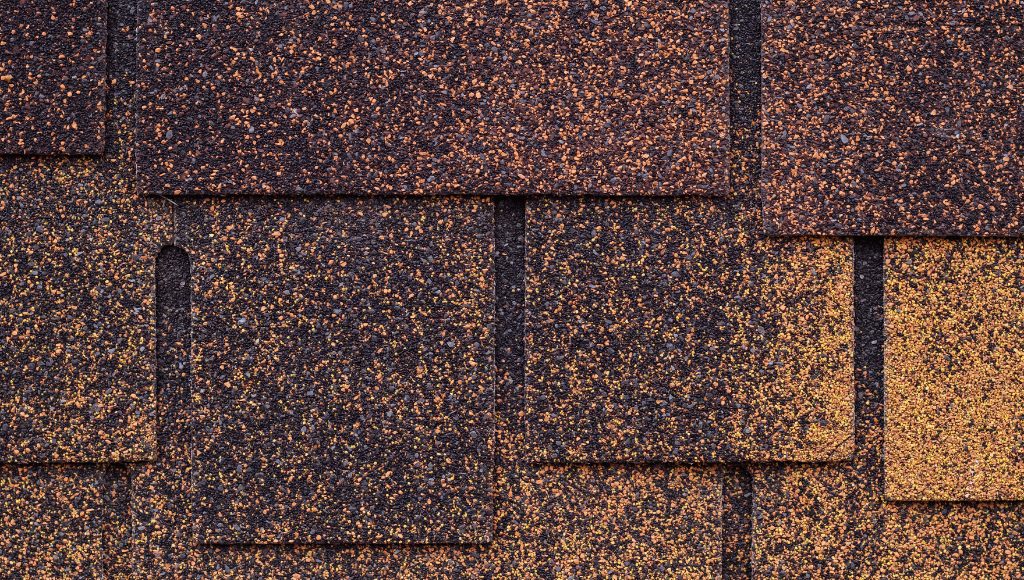
From the Ground
Color fading is one of the first visible signs of environmental damage on your shingles. Black shingles turn gray, brown shingles fade to tan. Fading appears unevenly, with the south and west slopes fading faster. A dusty or chalky appearance develops on the shingle surface.
From the ground, keep an eye on your shingles and watch for curling and warping. Shingle edges curl upward (called cupping), or their centers rise (also known as crowning). A wavy appearance will also often develop across the roof surface, most pronounced on slopes with maximum sun exposure.
In Your Gutters
Heavy granule buildup after rainstorms often signals trouble. Granules are the coarse, sand-like substance that is colored to match your asphalt shingles. New roofs shed some granules initially, which is normal, but increasing granule amounts year over year signal concerning damage. Regularly appearing cups or handfuls of granules indicate severe damage.
Up-Close Inspection
Fine hairline cracks across the shingle surface will usually be the first to appear. Eventually, these will progress to deeper fissures along shingle edges. If an up-close inspection reveals networks of interconnected cracks, called alligatoring, it means you’re dealing with advanced shingle damage and should contact professionals as soon as possible.
To test the flexibility of your shingles, it’s best to do so on a cool morning. Healthy shingles feel slightly flexible and resilient when pressed; damaged shingles feel rigid and brittle and may crack under light pressure.
Damage Timeline Indicators:
- Minor fading plus some granule loss (5-8 years): Early stage, good Roof Maxx restoration candidate
- Moderate curling plus heavy granule loss (8-12 years): Advanced damage, restoration may help
- Widespread cracking plus bare spots (12+ years): May need replacement
Why South and West-Facing Slopes Suffer Most
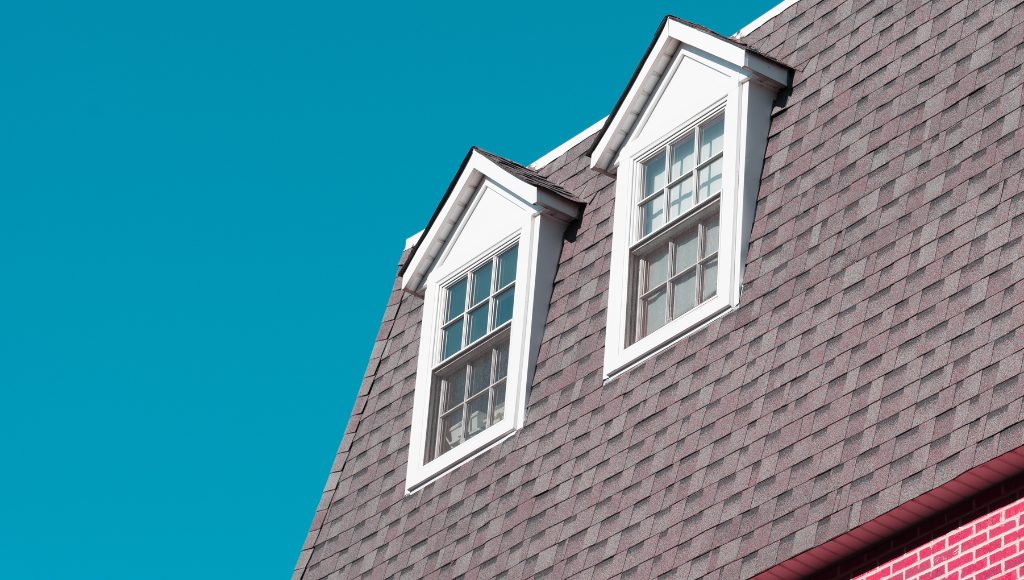
South-facing slopes get the most consistent sun exposure throughout the day in Northern Arizona, with peak UV intensity happening at midday. What this means for your roof is that fading, granule loss, and brittleness will appear here first.
West-facing slopes take afternoon sun when maximum UV combines with maximum heat, which often means these slopes experience the hottest surface temperatures of any roof section.
North-facing slopes, on the other hand, receive the least direct sun exposure and may last 5-10 years longer than south and west slopes.
Inspect the south and west slopes first and most frequently, as these slopes drive your replacement or restoration timeline.
How Roof Maxx Restoration Reverses Environmental Damage
Roof Maxx restoration reverses years of damage by replenishing the oils in your shingles that environmental factors have depleted.
The safe, all-natural, rejuvenating oil-based formula penetrates deep into asphalt shingles. It replaces the petroleum oils that UV, heat, and dry air have removed, restoring flexibility to brittle, dried-out shingles and improving granule adhesion. The treatment also enhances waterproofing properties compromised by oil loss.
Our Roof Maxx-certified team can apply the treatment in roughly 2-3 hours for a typical home. Treatment penetrates within 24-72 hours, and results become visible within weeks. Each application provides 5 years of protection, and the treatment can be reapplied up to 3 times, for a total of 15 years of extended life.
When Damage Is Beyond Restoration
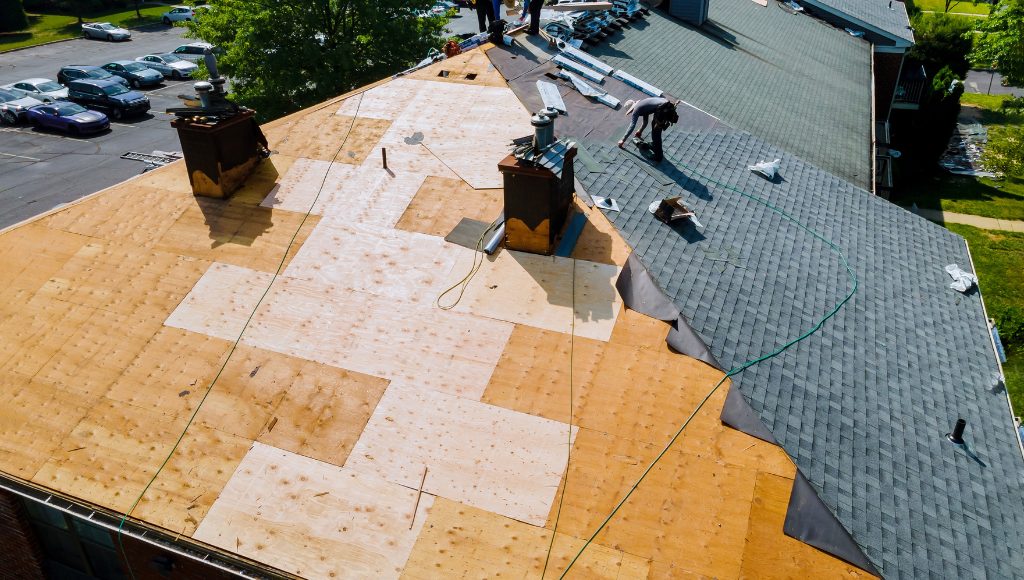
Some roofs have reached the point where it no longer makes financial sense to opt for a Roof Maxx restoration treatment. If you’re unsure where your roof stands, here are some clear indicators that you may be looking at a full replacement:
- Multiple shingles are cracked completely through, exposing the underlayment
- More than 40-50% of shingles have bare asphalt exposed
- Active leaks from multiple locations due to failed shingles
- Soft spots, rot, or water stains are visible on the decking from the attic
- Extreme brittleness where shingles break apart under minimal pressure
- Roofs 25+ years old in the Northern Arizona climate
Reputable contractors explain when replacement makes better financial sense. Roof Maxx treatment typically costs $3,200-$4,600 for an average home, while full replacement can run $15,000-$25,000 or more. If you act before it’s too late, you can postpone the need for a full replacement by 5 to 15 years with a Roof Maxx treatment from Enviro Pro.
Protect Your Investment
Northern Arizona's combination of high-elevation UV, extreme heat, and bone-dry air creates conditions found nowhere else in the state, and each factor multiplies the destructive effects of the others.
Early intervention is key, which is why it’s important to catch damage before it progresses beyond what restoration can fix. Schedule a free roof assessment to evaluate environmental damage on your home with Enviro Pro. In Northern Arizona, the question isn't whether UV, heat, and dry air will damage your roof. It's whether you'll catch and reverse that damage before it's too late.