

Summary
Granule loss exposes asphalt shingles to UV damage and speeds up aging, but it doesn't always mean a full roof replacement. Northern Arizona's elevation, hailstorms, and monsoon wind all accelerate granule loss, and catching it early through gutter and shingle checks keeps more options open. Isolated loss often just needs targeted shingle replacement, while broader wear may call for Roof Maxx restoration to restore shingle flexibility. A professional inspection is the clearest way to know which option fits your roof.
| Time to Read | ~6 minutes |
| What You'll Learn |
|
| Next Steps |
|
Every asphalt shingle is covered in a layer of small mineral granules, and those granules are doing more work than most homeowners realize. They shield the asphalt underneath from UV rays, add a layer of fire resistance, and give the shingle its color and texture. When those granules start to wear away, the roof loses more than its curb appeal. The asphalt underneath gets exposed to the sun and weather it was never meant to face directly, and once that happens, the aging process speeds up.
Every asphalt roof loses granules over time, so finding some in your gutters or around your downspouts isn’t enough to raise the alarm just yet. What matters most is the amount of granule loss, where it's concentrated, and the roof's overall condition. In many cases, catching the problem early means a localized repair is enough to keep you away from a full replacement for a while longer.
What Causes Granule Loss in Northern Arizona?
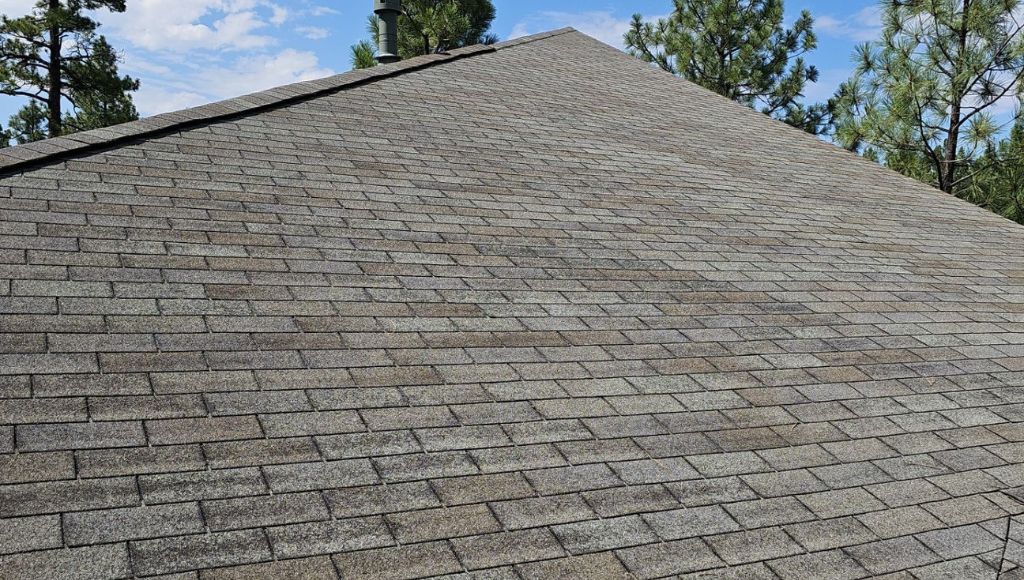
Granule loss happens everywhere, but a few local conditions make it happen faster here than in milder climates.
UV Exposure at Elevation
UV intensity increases by about 6 to 8 percent for every 1,000 feet of elevation gained. Homes across Prescott, Prescott Valley, Sedona, and the Verde Valley sit well above sea level, so shingles here take on more direct UV exposure than the same shingles would in a lower-elevation city. That extra exposure dries out the asphalt binder holding the granules in place, and loose granules wash away with the next rain or blow off in the next windstorm.
Hail Damage
After a storm that includes hail, no matter the size of the stones,, your roof can look perfectly normal from the yard while still showing signs of wear up close. Damage from hailstones can knock granules off shingles without cracking them. These impacts leave behind small, rounded patches that stand out during an inspection.
Monsoon Wind & Rain
Monsoon season can be extremely hard on asphalt shingles. Strong winds lift the edges just enough to loosen granules, while rain and windblown debris gradually wear down the surface over time. Even after the storm has passed, that extra wear isn't always obvious from the ground.
Natural Aging
Storms aren't the only reason granules disappear. As asphalt shingles age, the binder that holds those granules in place gradually breaks down, allowing more of them to wash away over time. A small amount of loss is expected, but it becomes more noticeable as the roof reaches the latter half of its service life.
How to Spot Granule Loss on Your Roof
You don't need to get on the roof to start checking each shingle for granule loss. A few signs are visible from the ground:
| What You'll See | What It Means |
|---|---|
| Granules collecting in gutters or downspouts | Normal in small amounts, but a growing pile signals accelerating loss |
| Bald or shiny patches on shingles | The asphalt mat is starting to show through in that spot |
| Blotchy or uneven shingle color | Granule coverage has thinned unevenly across the roof |
| Duller or smoother shingle surface | Overall granule coverage is wearing down, often tied to age |
These checks give you a general sense of whether something's changed, but a full assessment of how much granule loss has happened, and where, takes a closer look from a professional, especially on steep slopes or sections you can't see from the ground.
Repair Options for Isolated Granule Loss
When granule loss is confined to just a few shingles, replacing those individual shingles is usually all that's needed. Left alone, the exposed areas tend to wear faster than the rest of the roof, which can turn a relatively small repair into a much larger (and more expensive) one. That's one reason roofers recommend addressing small damage before it has a chance to spread.
Isolated Shingle Replacement
Individual shingles that have lost most of their granule coating can be pulled and replaced without touching the rest of the roof. This works well when the damage is isolated, and the surrounding shingles are still in reasonably good shape.
Sealing Exposed Sections
When granule loss is still fairly limited, a roofer may recommend applying a protective sealant over the exposed area to help slow additional wear. It isn't a permanent repair, but it can extend the life of the affected shingle until replacement makes more sense.
How Roof Maxx Restoration Helps Prevent Future Granule Loss
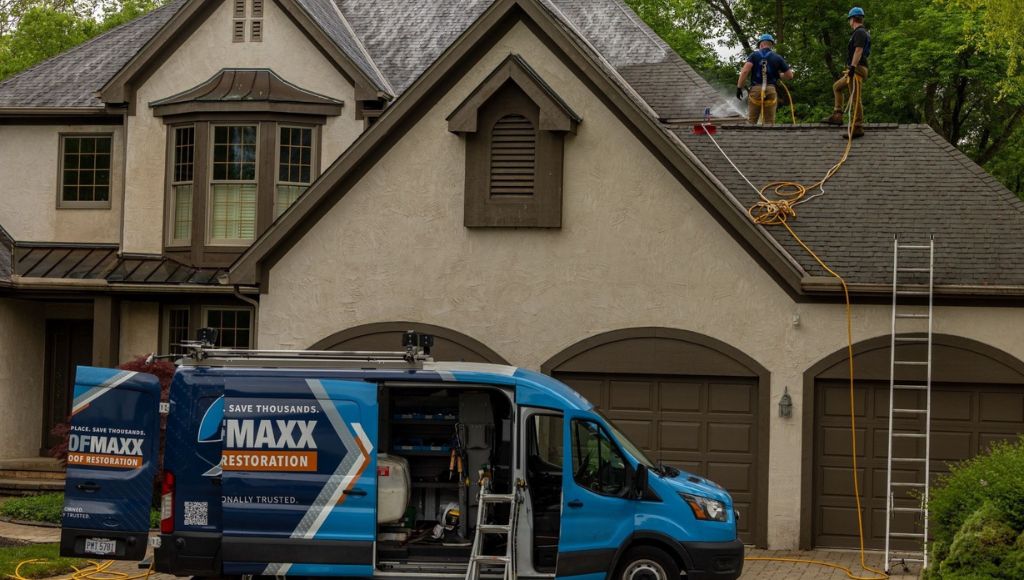
Roof Maxx is an advanced method, an all-natural, rejuvenating oil treatment that penetrates asphalt shingles and replaces the oils that UV exposure, heat, and dry air have stripped away over the years. Restoring that oil content brings back some of the shingle's original flexibility, and flexible shingles hold onto their granule coating far better than shingles that have gone dry and brittle.
This makes Roof Maxx a good fit for roofs showing early-to-moderate granule loss that aren't yet at the point of exposed matting or widespread damage. A single treatment can extend shingle life by around 5 years, and it can be applied up to three times over a roof's lifespan for a total extension of up to 15 years. It's worth being clear that Roof Maxx restores flexibility. It doesn't replace granules that are already gone, and it isn't a fix for shingles that have already cracked or lost large sections of coating.
Maintenance, Early Detection, and Long-Term Roof Life
Most homeowners don't think about granule loss until they notice bare spots or find granules collecting in the gutters. By then, the affected area has likely been exposed to the elements for quite a while. An inspection in April or May gives a professional roofer the chance to spot early wear before Arizona's monsoon season puts the roof under even more stress, often leaving you with more repair options than if the damage had been allowed to progress.
When Granule Loss Means It’s Time for a Full Replacement
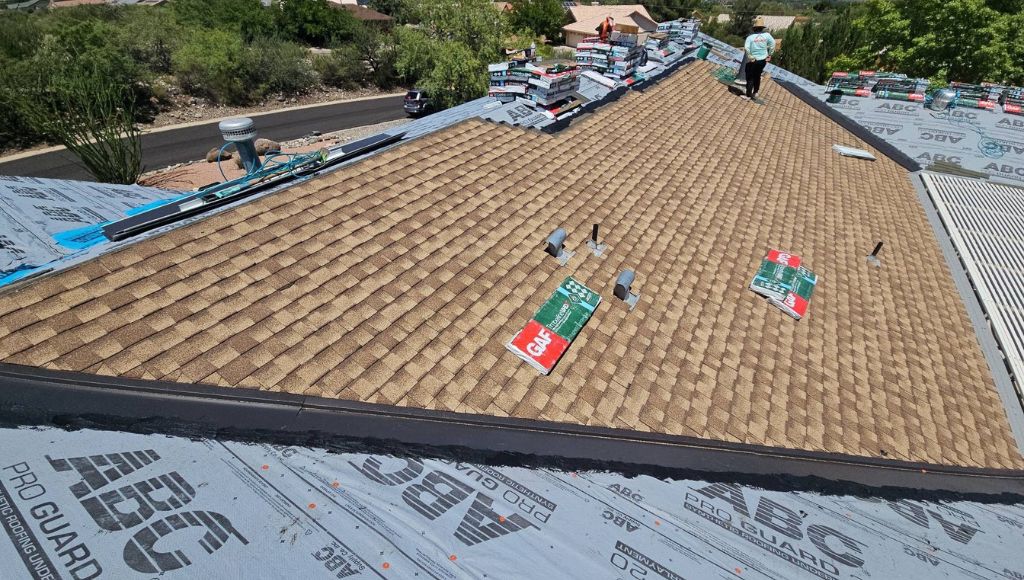
Not every roof with granule loss can be repaired or restored. Replacement becomes the better option when:
- Bare asphalt mat is exposed across large areas, not just isolated spots
- Granule loss is paired with curling or cracking shingles
- The roof is near the end of its expected lifespan, typically 12 to 15 years for 3-tab asphalt and 15 to 20 years for architectural shingles
- Multiple leak points already exist or are highly likely given the damage pattern
A roof already near the end of its useful life won't get much benefit from a repair or restoration treatment, no matter how the granule loss looks on the surface. In that case, a full replacement is the more practical long-term investment.
Get an Honest Assessment of Your Roof
Finding granules in your gutters or bald patches on your shingles doesn’t automatically mean a full replacement is necessary, but they're still worth taking seriously. A trained eye can tell you whether you're looking at an isolated repair, if your roof is a good candidate for restoration, or whether it might be time for something more permanent. Contact Enviro Pro to schedule a professional roof inspection and get a clear, honest answer about what your roof actually