

Summary
Roof lifespans in Northern Arizona fall 20-40% shorter than national estimates due to high-elevation UV (30-50% more intense than Phoenix), extreme temperature swings (60°F+ daily), monsoons, hail, and freeze-thaw cycles. Asphalt shingles last 15-20 years, tile 40-100 years, and metal 35-60+ years. South and west-facing slopes fail 3-5 years earlier. Proactive maintenance, including annual inspections, debris clearing, proper ventilation, and timely repairs, extends lifespan, while Roof Maxx restoration adds 5-15 years to asphalt shingles at 80% less cost than replacement.
| Time to Read | 6-8 minutes |
| What You’ll Learn |
|
| Next Steps |
|
National roofing guidelines say asphalt shingles last 20–25 years. In Northern Arizona, that same roof may need replacing closer to 15 years. The local climate creates tougher conditions for every roofing material, with high-elevation UV, wide temperature swings, monsoons, hail, and freeze-thaw cycles all taking a toll.
The lifespan of your roof depends on three factors: the materials used, your location within Northern Arizona, and how well you’ve maintained it. Knowing what to expect makes it easier to plan ahead and protect your investment.
Arizona Isn't One Climate: Why Location Matters

When manufacturers list expected roof lifespans, they are using national averages that do not reflect Northern Arizona’s specific conditions.
At higher elevations, UV exposure can be 30 to 50 percent stronger than in places like Phoenix. Flagstaff, at 7,000 feet, gets significantly more direct UV because the thinner atmosphere filters less radiation. Daily temperature swings put constant stress on roofing materials as they expand and contract. Monsoon season brings heavy rain, strong winds, and hail, while freeze-thaw cycles in places like Flagstaff and Prescott add another layer of wear, with over 100 freezing nights each year. On top of that, extremely dry air, often with humidity below 20%, gradually pulls essential oils out of asphalt shingles year-round.
Environmental Factors by Location in Northern Arizona:
| Location | Elevation | Primary Challenges |
| Flagstaff | 7,000 ft | Heavy snow, freeze-thaw, extreme UV, hail |
| Prescott | 5,400 ft | Temperature swings, moderate snow, high UV |
| Prescott Valley | 5,100 ft | High wind exposure, hot summers, UV damage |
| Sedona | 4,500 ft | Intense UV, monsoons, red rock dust |
Northern Arizona compresses aging timelines by 20-40%, depending on material. A roof rated for 25 years nationally might last 15-18 years elsewhere. For instance, roofs in Flagstaff age faster than in Prescott, and roofs in Prescott age faster than in Sedona.
How Long Each Roofing Material Lasts
Roof Lifespan Comparison: National vs. Northern Arizona
| Material | National Average | Northern Arizona | Highest Elevation (Flagstaff at 7,000 ft) |
| Asphalt (3-tab) | 15-20 years | 12-15 years | 10-14 years |
| Asphalt (architectural) | 20-25 years | 15-20 years | 12-18 years |
| Concrete tile | 50+ years | 40-50 years | 35-45 years |
| Clay tile | 100+ years | 75-100 years | 60-90 years |
| Metal (steel) | 40-70 years | 35-60 years | 35-55 years |
| Slate | 75-150+ years | 60-125+ years | 60-120 years |
Asphalt Shingles
Asphalt shingles cover roughly 80% of Northern Arizona homes, but their lifespan here falls well short of national estimates. UV radiation at 7,000 feet breaks down petroleum oils through photo-oxidation. Temperature swings cause daily expansion and contraction stress. Dry air wicks oils from shingles year-round, while freeze-thaw cycles create micro-cracks that grow each winter.
Signs your asphalt roof is nearing the end of its life:
- Widespread granule loss with bare black asphalt visible
- Curling or cupping across multiple shingles
- Cracking and brittleness when touched
- Missing shingles after moderate wind events
- Visible sagging or soft spots in the decking
Tile Roofing
Tile roofs are known for their durability, especially in dry climates, but Northern Arizona’s freeze-thaw cycles and occasional hail can create some added challenges. Concrete tile usually lasts around 40 to 50 years in this region, while clay tile can last anywhere from 75 to 100 years.
In many cases, the underlayment wears out long before the tiles themselves. It usually needs to be replaced after about 15 to 25 years, even if the tiles are still in good condition.
Challenges tiles face in Northern Arizona:
- Freeze-thaw cycles crack tiles when absorbed water expands during freezing.
- Hail impacts can crack or break individual tiles during monsoon season.
- Heavy snow loads in Flagstaff stress mounting systems
- Pine needles accumulate between tiles and trap moisture against the underlayment.
Metal Roofing
Metal roofing is one of the longest-lasting options for residential homes and tends to hold up well in Northern Arizona’s climate. Most systems last between 35 and 60+ years, depending on the type of metal, the quality of the coating, and local conditions. Standing seam systems generally perform better than corrugated panels, especially in areas with extreme temperature swings.
Four reasons to consider metal roofing in Northern Arizona:
- Metal reflects heat rather than absorbing it, which reduces cooling costs.
- Large snow loads often seen in Flagstaff or Prescott shed off metal roofing efficiently.
- Metal resists UV damage better than organic materials and handles temperature extremes without cracking.
- Metal roofing provides fire resistance in wildfire-prone areas.
The differences between metal types:
- Standing seam steel with painted coating lasts 40-50 years
- Standing seam aluminum reaches 50+ years.
- Stone-coated steel runs 30-50 years, depending on coating quality.
- Corrugated metal lasts 25-40 years but proves more vulnerable at fasteners.
Metal roofing has its advantages, but it still comes with a few challenges, including panels expanding and contracting with dramatic swings in temperature, intense UV exposure wearing down protective coatings, and, in areas that see larger hail, denting is always a risk.
Premium Materials
Slate roofing can last anywhere from 60 to well over 100 years in Northern Arizona, and, unlike other materials, it handles freeze-thaw conditions especially well since natural stone isn’t affected by expansion and contraction. That said, its weight is a major consideration. Slate ranges from 800 to 1,500 pounds per square foot, so a structural evaluation is usually needed before installation. Cost is another factor, as slate generally runs four to six times higher than asphalt shingles.
Composite or synthetic slate lasts 40-50 years, is lighter and less expensive than real slate. Cedar shake lasts 25-40 years nationally, but only 20-30 years in Northern Arizona due to fire concerns and the dry climate's brittleness. Copper roofing lasts 70-100+ years and develops a protective patina, but it costs significantly more than other options.
When premium materials might make sense for your roof:
- Historic homes requiring specific aesthetics
- Long-term ownership plans of 20+ years
- Desire to avoid future replacement projects
- Budgets that support higher upfront investment.
What Shortens Roof Life in Northern Arizona
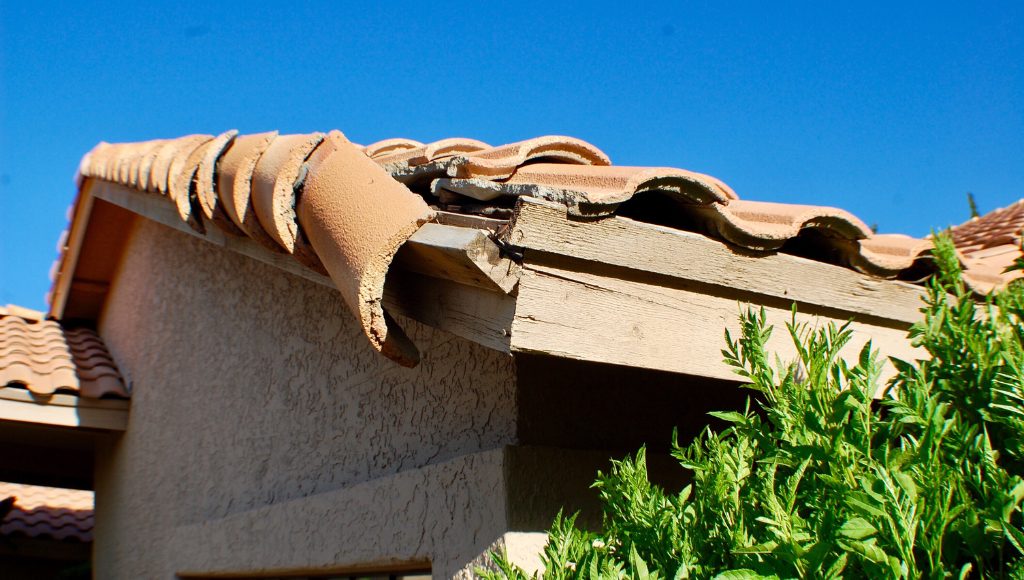
UV Intensity
UV intensity increases by 6–8% for every 1,000 feet of elevation, and that added radiation steadily breaks down the petroleum oils in asphalt shingles while degrading protective coatings on metal.
Daily Temperature Swings
Daily temperature swings of 60 degrees or more put constant strain on roofing materials as they expand during the day and contract at night. Over time, that repeated movement can loosen fasteners and speed up the aging process, especially compared to what you’d see in milder climates.
Monsoon Storms
Monsoon storms bring wind-driven rain that works its way into any weak spot in the roof. Strong winds can lift shingle edges, and flying debris can wear down exposed surfaces. In some areas, hail is also fairly common during the season, leading to cracked tiles, dented metal, and granule loss on asphalt shingles.
Freeze-Thaw Cycles
Freeze-thaw cycles can be especially hard on a roof. When water gets into small cracks or worn areas, it expands as it freezes, slowly making those gaps larger over time. On top of that, humidity levels below 20% pull oils out of asphalt shingles, leaving them dry and brittle with little chance to recover.
Maintenance That Adds Years to Your Roof
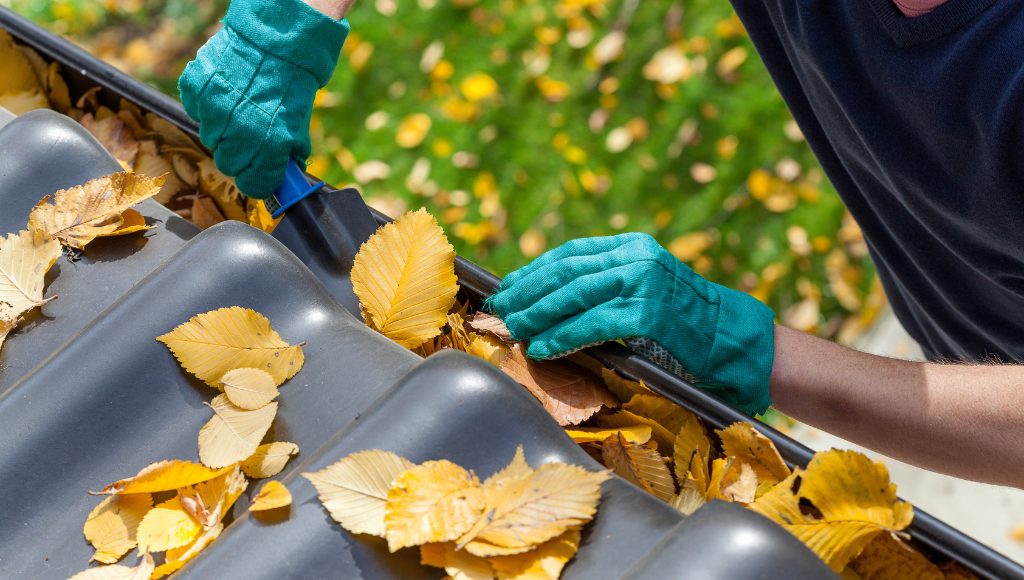
Proactive maintenance is the difference between a roof reaching its full lifespan and one that fails prematurely. Here are a few tips from the professionals at Enviro Pro to help you extend your roof’s lifespan:
- Annual Professional Inspections: Professional inspections catch small problems before they become expensive repairs. Schedule yours in April-May before the monsoons and in September after monsoon season ends.
- Debris Clearing and Ventilation: In forested areas, pine needles, leaves, and small branches tend to build up quickly, especially in valleys and around roof penetrations. Clearing these spots regularly helps prevent moisture from getting trapped. Clogged gutters can cause water to back up along the roof edges, so keep them clean.
- Proper Attic Ventilation: Good airflow starts with a balance between intake at the soffits and exhaust at the ridge. When ventilation is working properly, it helps regulate temperature and moisture levels in the attic. Adequate insulation also plays a role by limiting heat transfer to the roof deck.
- Timely Repairs: Flashing problems, worn sealant, or a few missing shingles can quickly turn into bigger repairs if left alone. Taking care of these as they come up helps prevent water intrusion and keeps damage from spreading.
- Tree Management: Branches that hang too close to the roof can lead to ongoing debris buildup and increase the risk of damage during storms. Keeping limbs trimmed back about 6–10 feet reduces that risk and also makes it harder for pests to access the roof and attic.
How Roof Maxx Adds 5-15 Years to Asphalt Shingle Life
For asphalt shingle roofs that show age but are still structurally sound, Roof Maxx restoration offers a proven way to extend their lifespan at a fraction of the replacement cost.
The safe, all-natural rejuvenating oil penetrates deep into the asphalt and replaces petroleum oils lost to UV exposure, heat, and dry air. This helps restore flexibility to brittle, dried-out shingles while also improving granule adhesion and overall waterproofing. Roof Maxx targets the underlying cause of asphalt aging in Northern Arizona instead of just masking the symptoms.
Each treatment adds 5 years of life to your roof, and it can be applied up to 3 times, for a total of 15 extra years. Professional application takes 2-3 hours for a typical home, treatment penetrates within 24-72 hours, and results become visible within weeks. You don’t have to leave your home while we’re applying the treatment, and it’s safe for humans and animals.
Plan Ahead and Protect Your Investment
Northern Arizona’s climate tends to shorten the lifespan of every roofing material, no matter what the manufacturer claims. Proactive maintenance can extend your roof's lifespan beyond these averages, and Roof Maxx restoration adds 5-15 years to asphalt shingle roofs at a fraction of the cost of replacement.
At the end of the day, how long your roof lasts here isn’t just about the material; it’s about how well it’s cared for in a tough climate. A quick inspection can give you a clear picture of where things stand and what to expect going forward. You can schedule a free roof assessment with Enviro Pro to get a better sense of your roof’s current condition and how much life it has left.