

Summary:
Arizona monsoon storms bring unique challenges to Northern Arizona roofs, like wind-driven rain that pushes water sideways under shingles, hail that strips protective granules, and sudden temperature drops that stress aged materials. These monsoons can often cause hidden damage that may appear as water stains in attics, soft spots in decking, and moisture trapped beneath shingles. Older, dried-out shingles are especially vulnerable because Arizona's UV exposure depletes protective oils, causing brittleness and reduced storm resistance.
| Time to Read | ~9 minutes |
| What You’ll Learn |
|
| Next Steps |
|
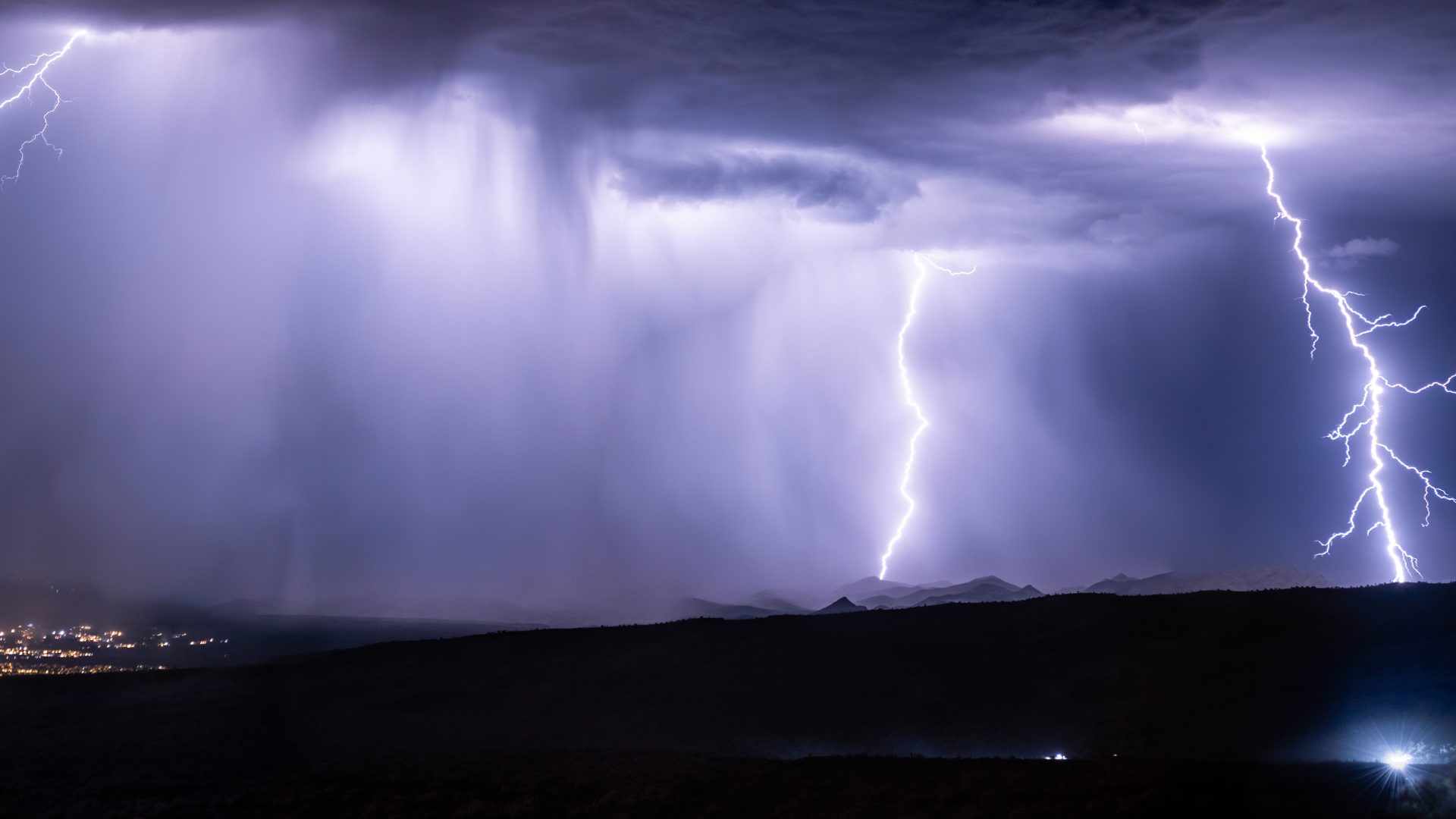
You’re lounging at home in Prescott Valley, enjoying a hot July afternoon, when suddenly, everything shifts. The sky darkens in minutes, a wall of dust races across the valley. But that’s not all. A half-inch of sideways rain, driven by 50 mph winds, falls in 30 minutes, hail pelts your roof, and thunder shakes your windows. Welcome to monsoon season in Northern Arizona.If you've lived here long enough, you know Arizona monsoons aren't typical rainstorms. They're violent, sudden weather events that can wreak havoc on your roof in ways a gentle spring rain never could. Understanding how monsoons damage roofs and what to do about it can save you thousands in repairs and protect your home for years to come.
What Makes Monsoon Storms Different from Regular Rainfall
Arizona's monsoon season runs from June through September, with peak activity happening through July and August. But anyone who’s lived in Arizona through monsoon season knows that it's not just about when the rain falls. It's about how it arrives.
Regular rainstorms build gradually. Clouds gather, rain begins lightly, intensifies over time, then tapers off. You have warning. Your roof handles the water as it’s supposed to, with rain flowing down shingles into gutters following gravity's pull.
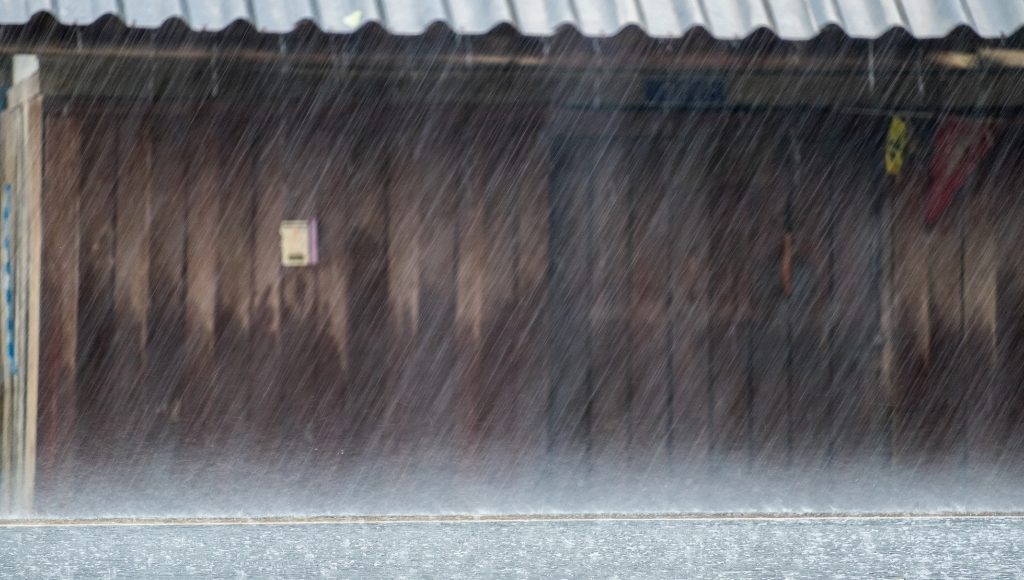
The problem is, monsoons ignore this script entirely. The sky can go from clear to apocalyptic in fifteen minutes. Calm winds suddenly gust to 50 or 60 mph. Rain doesn't fall vertically. It's driven horizontally by those winds, hitting your roof from angles it was never designed to handle. Temperature drops of 20 to 30 degrees happen quickly, causing rapid expansion and contraction of roofing materials.
How Arizona Monsoons Differ From Rainstorms
| Feature | Typical Rainstorm | Monsoon |
| Onset | Gradual buildup | Zero to deluge in minutes |
| Wind Speed | 10-20 mph | 40-60+ mph gusts |
| Rain Direction | Vertical | Horizontal, wind-driven |
| Hail | Rare | Common above 5,000+ ft |
| Temperature Drop | Gradual | 20-30° in minutes |
| Duration | Hours | 30-90 minutes |
These aren't gentle weather patterns. Monsoons attack your roof with wind, water, hail, and rapid temperature changes all at once. It's a combination that reveals every weakness in aging roofing systems.
Common Monsoon Damage to Northern Arizona Roofs
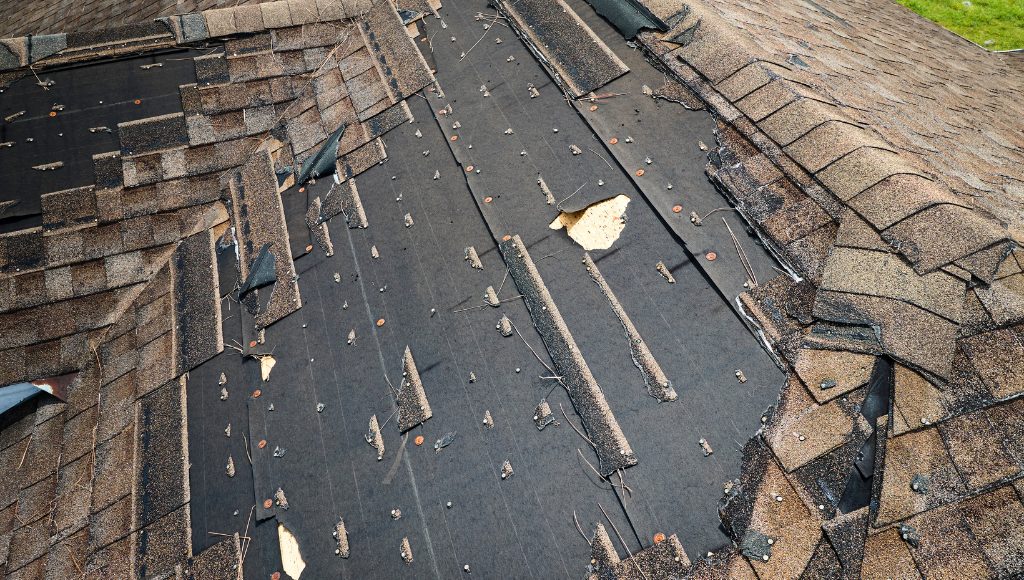
- Lifted and Displaced Shingles: Wind gets underneath shingle edges and tabs, prying them upwards. Once a shingle lifts even slightly, it becomes a catch point for every future storm. The adhesive strips that seal shingle tabs down weaken over time, and on a roof that's 15 or 20 years old, they've lost most of their holding power. When monsoon winds hit, shingles start lifting, and once lifted, they rarely reseal properly.
- Granule Loss and Displacement: Each hail impact knocks loose some protective granules from your shingles that are then washed away by heavy rain. The exposed asphalt beneath then starts to deteriorate, creating a cascading failure pattern in which damage accelerates over time.
- Water Intrusion and Critical Points: Water gets into gaps in your roof, sealants suddenly fail when rain hits them from the side instead of above, and valley areas that were designed to channel a specific volume of water are overwhelmed. The result is water intrusion in places that seem properly sealed and have never leaked before.
Saturated Underlayment: Beneath your shingles is a layer of synthetic material. This is your roof's second line of defense against water intrusion. When monsoon rains get past the shingles, this underlayment is supposed to shed that water down to the gutters, but on older roofs with degraded underlayment, it instead absorbs it like a sponge. Water sits trapped between your shingles and roof decking, and, in fall and winter, this trapped moisture freezes and expands, causing damage to the wooden decking beneath.
Why Wind-Driven Rain is More Damaging Than Vertical Rain
Your roof is engineered based on the simple assumption that water falls downward. Shingles overlap in a specific pattern so that vertical rain hits one shingle, runs down to the next shingle below it, and continues downward to the gutters. The system works beautifully for normal rainstorms.
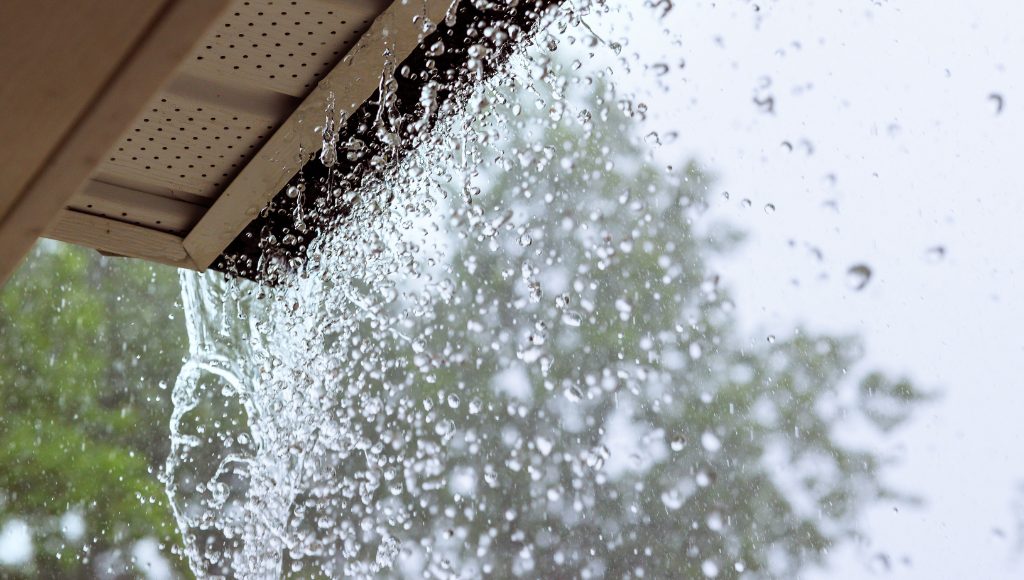
When 50-mph winds hit during a downpour, rain doesn't fall straight down. It flies sideways, and when that happens, your roof faces a myriad of potential issues:
- Water gets pushed under shingle edges and tabs
- Up and over ridge caps
- Sideways into the rake edges at gable ends
- From both directions simultaneously into valley areas.
West and south-facing roof slopes take the hardest hits since prevailing monsoon winds come from the southwest.
The water barriers built into your roof cannot function properly when water enters from the wrong direction. This creates leaks in areas that handle normal rainfall without any issues.
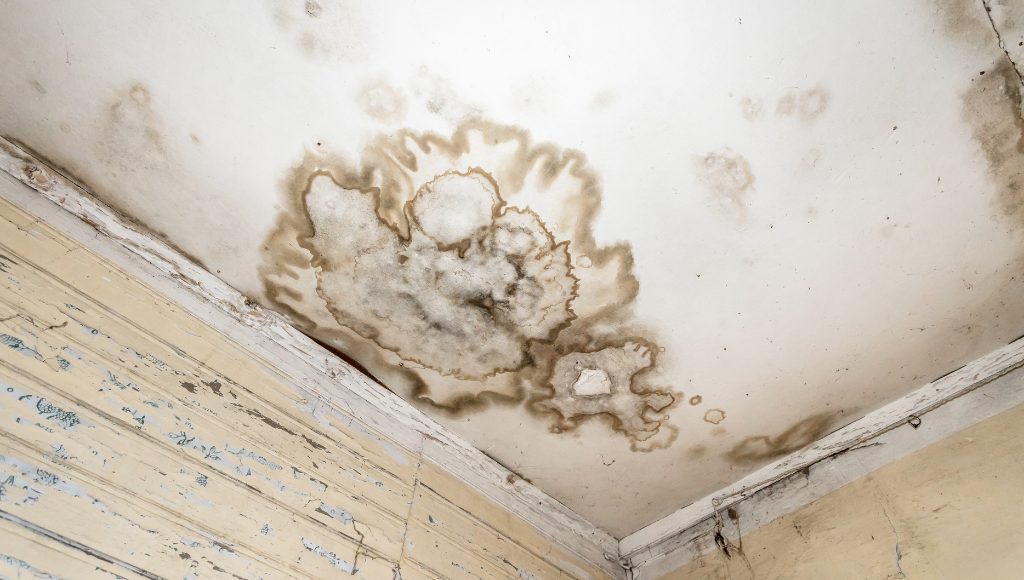
Monsoon Damage You Can’t See from the Ground
The most expensive damage happens where you're not looking. After a major monsoon, visible problems like missing shingles get attention immediately. The hidden damage in your attic and within your roof structure goes unnoticed until it becomes catastrophic.
Signs in Your Attic
Grab a flashlight after the next major storm and head up to your attic. Look for the following indications that you’ve had some water damage:
- Water stains on rafters or decking (fresh water damage appears darker than the surrounding wood).
- A musty odor that indicates trapped moisture, even if you don't see standing water.
- If your insulation looks compressed or discolored near roof edges or around penetrations.
- If you can see daylight through your roof decking.
- If you see active dripping during or immediately after storms.
Decking Problems
Call the professionals after a storm to take a walk along your roof and look for the following soft spots:
- Areas that flex more than they should when weight is applied
- Sagging areas between rafters
- Dark staining on the underside of the decking visible from the attic
- Nail pops caused by wood repeatedly swelling when wet and shrinking when dry
Trapped Moisture
Even after the storm passes, moisture can remain trapped between layers of your roofing system, creating perfect conditions for mold growth and accelerating rot in wooden decking. Arizona's dry climate helps, but often the next monsoon arrives before everything fully dries, leading to cumulative moisture damage over the season.
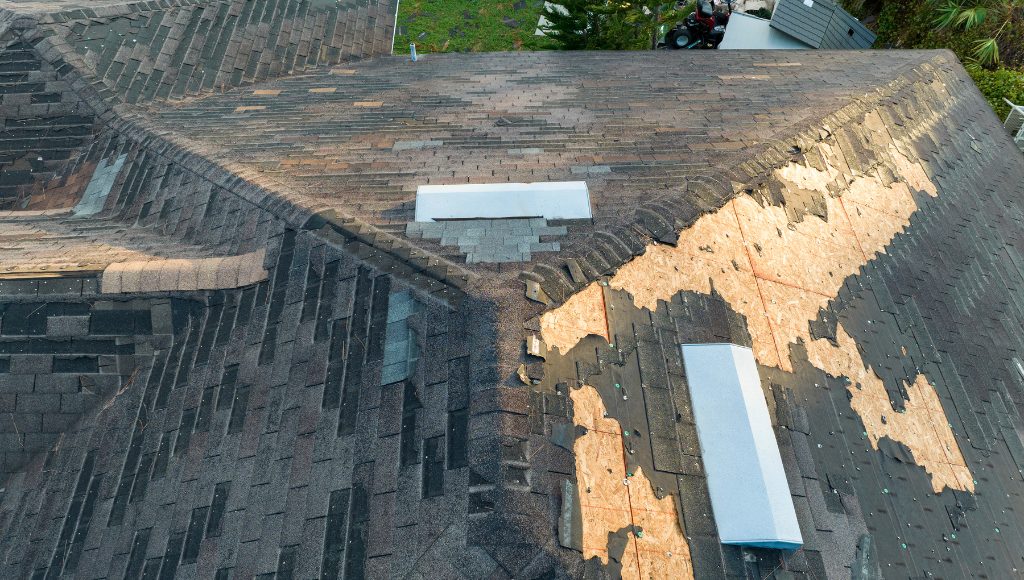
Why Older Shingles Are More Vulnerable During Monsoons
New asphalt shingles contain petroleum-based oils that make them flexible and resilient. They can bend with wind gusts without cracking, granules stay firmly embedded, and the shingles form a tight, waterproof seal. But Arizona's intense sun and UV exposure slowly depletes these oils over 10 to 15 years.
How Dried-Out Shingles Fail During Monsoons
| Characteristic | New Shingles | Aged/Dried Shingles |
| Wind Flexibility | Bend with gusts | Crack instead of bending |
| Granule Adhesion | Strong | Sheds easily under impact |
| Edge Seal | Tight | Curled edges catch wind |
| Impact Resistance | Absorbs hail hits | Cracks from hail |
| Waterproofing | Excellent | Compromised |
You can see this deterioration happening if you know what to look for:
- Shingles with curling edges or corners are losing flexibility.
- Visible cracks indicate brittleness.
- Bald spots where granules have worn away show advanced aging.
- The overall appearance becomes faded and dull as the protective coating breaks down.
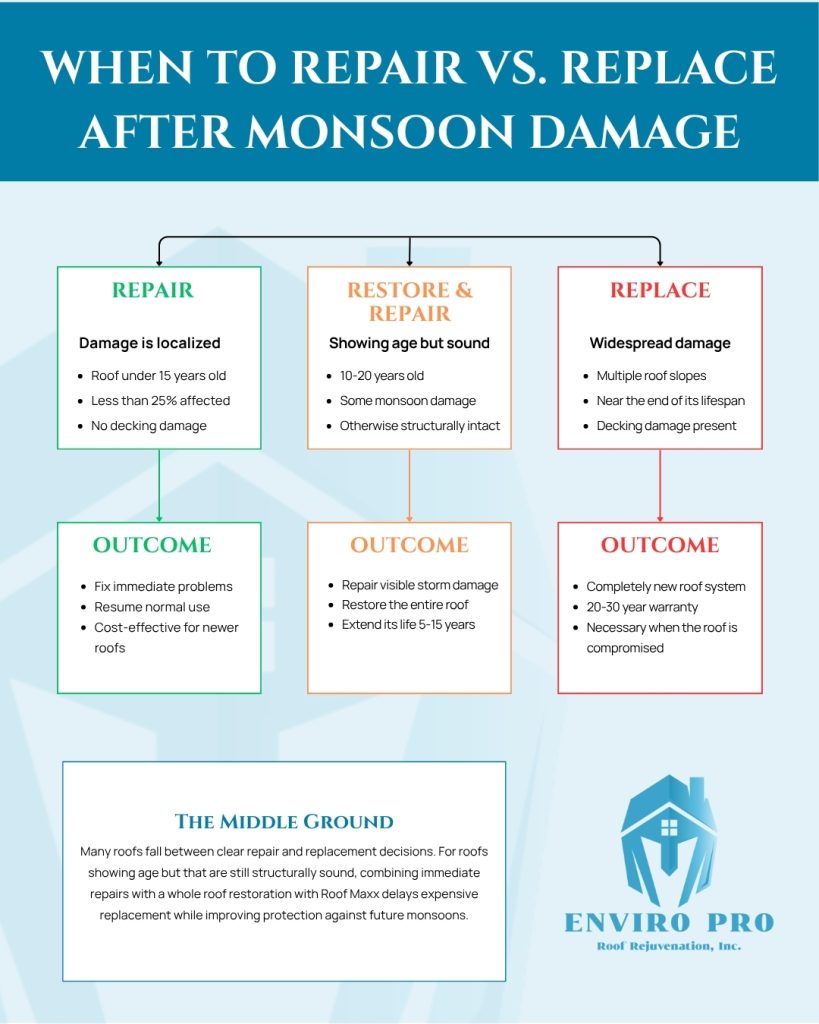
The challenge for homeowners is that roofs in the 10- to 20-year range are too old to handle monsoon stress easily but too young to justify the expense of a full replacement. This creates a dilemma: keep repairing an aging roof that gets damaged every monsoon season, or replace a roof that theoretically has years of life left. Restoration treatments with Roof Maxx can address this middle ground by returning flexibility and protective oils to dried-out shingles.
Post-Monsoon Inspection Checklist
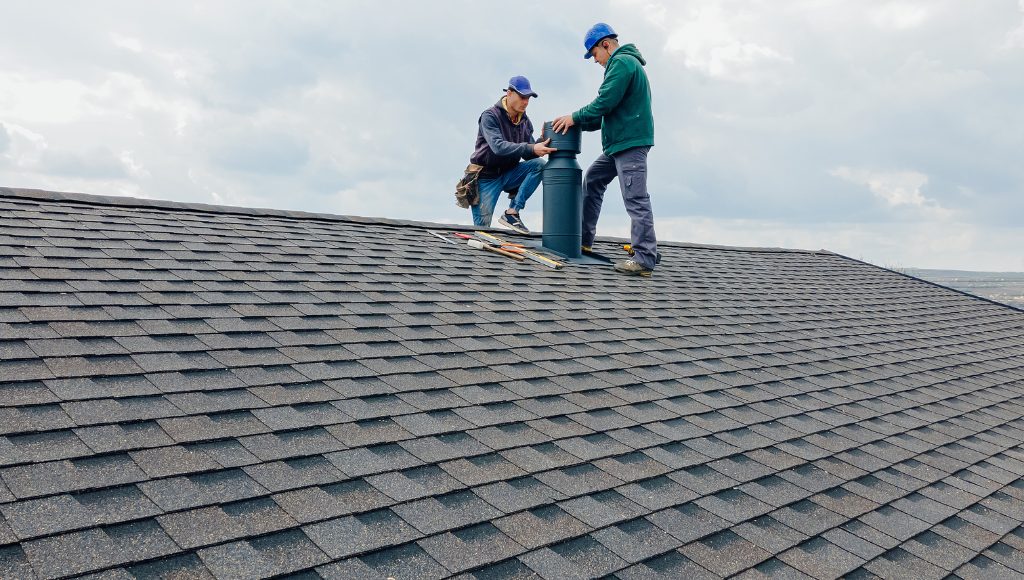
After a monsoon storm, taking time to inspect your roof can help you catch problems early. We’d never suggest climbing onto your roof yourself. Use binoculars from the ground, or call in the pros.
Here’s what to look for:
Exterior Scan
- Missing, curled, or bruised shingles
- Granule loss (bald patches)
- Damaged ridge caps
Edges & Penetrations
- Check flashing/seals on chimneys
- Vents
- Pipes
If you find gaps wider than a finger, they’ll need to be repaired.
Gutters & Valleys
- Clear debris
- Heavy granules signal wear
- Backed-up water causes overflows
Attic Deep-Dive
- Stains
- Damp spots
- Mold
- Press insulation for moisture
- Tap decking for sponginess
Interior Clues
- Ceiling stains
- Warped drywall
- Musty smells downstairs
Bonus
- Ceiling stains
- Warped drywall
- Musty smells downstairs

Preparing Your Roof for Monsoon Season
Prevention beats cure, and the best time to address potential monsoon damage is before it happens. In April or May, before monsoon season begins, schedule a professional inspection with Enviro Pro, and let our team reseal nail pops, replace loose shingles, and secure your flashing to stop small issues before the monsoons make them bigger ones.
If your roof is between 10 and 20 years old, it may be eligible for restoration with Roof Maxx. This safe, all-natural treatment restores the oils in your shingles, giving them the flexibility needed to withstand years of monsoon seasons.
For just a fraction of the cost of full replacement, you can extend the life of your aging roof by five years per treatment, up to a total of 15 years.
With a Roof Maxx treatment, your shingles will:
- Bend with the wind instead of breaking
- See improved granule retention, so hail causes less damage
- Have enhanced waterproofing so shingles resist wind-driven rain
Protect Your Roof Before the Next Storm with Enviro Pro
Arizona monsoons are inevitable, but monsoon damage to your roof doesn't have to be. The key is understanding that your roof faces unique challenges in Northern Arizona.
Don't wait for visible damage. Schedule a pre-monsoon inspection with our team of roof experts in April or May, and if you've already weathered severe storms, schedule a post-monsoon inspection to catch problems before they become emergencies. Your roof protects everything beneath it. Give it the attention it deserves.
Ready to prepare your roof for monsoon season? Schedule a free assessment to evaluate your roof's condition and discuss maintenance, restoration, or repair options.
Contact us or request an inspection online.