

Summary
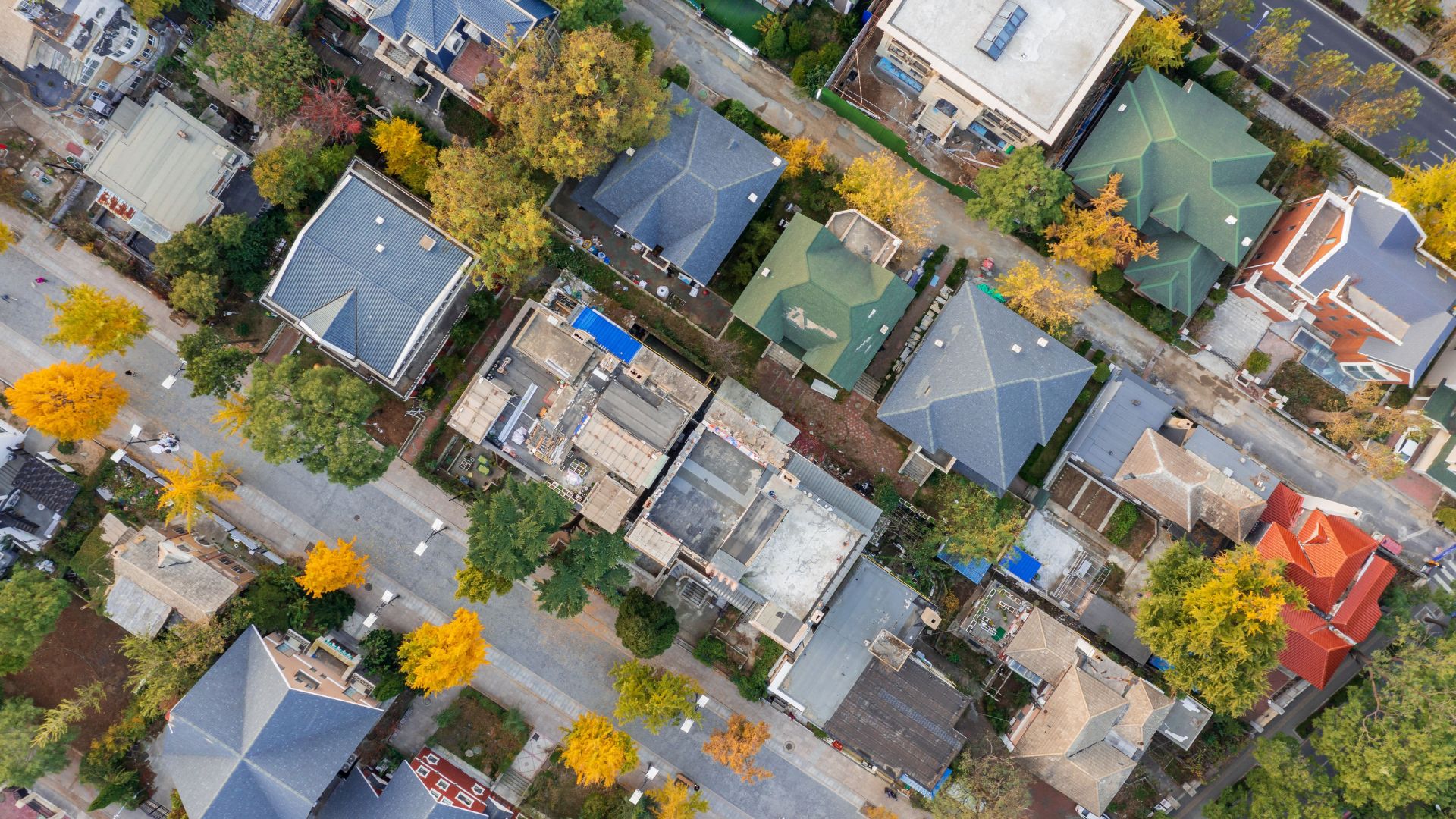
Shingles typically last 15 to 20 years in our service area, well short of the 20 to 30 years national charts promise. Tile and metal roofs fare better, though freeze-thaw cycling, hail, and fastener wear still shorten their working life. Slate outlasts everything else but rarely shows up locally because of its weight and cost. Knowing what actually drives wear at elevation, not just the material label, helps homeowners plan repairs and replacement around real timelines instead of national guesswork.
| Time to Read | ~7 minutes |
| What You'll Learn |
|
| Next Steps |
|
If you've searched for roof lifespan estimates online, you've probably found numbers that sound reassuring. Asphalt shingles lasting 25 years. Tile roofs lasting half a century. Those figures usually come from national averages, and national averages assume a climate that doesn't look much like ours.
Northern Arizona's high-desert and mountain climate is hard on roofs. Factors like strong UV exposure at higher elevations, dry air, monsoon storms, and big swings between daytime and nighttime temperatures all wear roofing materials down over time. That's why the lifespan printed on a product brochure doesn't always match what local homeowners see in terms of their roof’s longevity. If you're planning for repairs or thinking ahead to a replacement, it helps to know what you’re really looking at when it comes to your roof’s lifespan, rather than just what the national average says.
Asphalt Shingles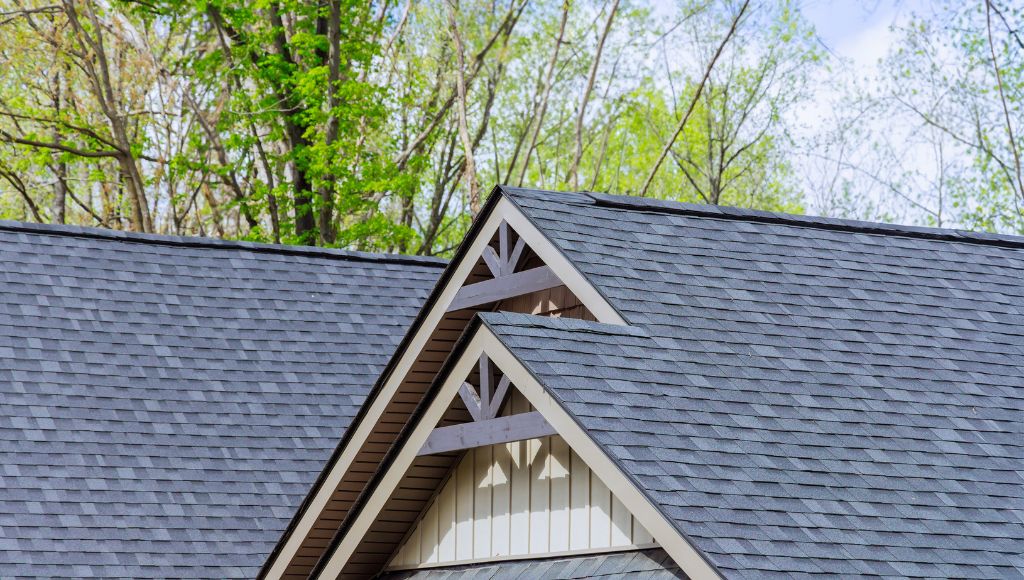
Asphalt shingles are the most popular roofing material across North America because they offer a good balance of cost and durability. The catch is that Northern Arizona's sun and elevation are tough on asphalt. Although manufacturers often estimate a 20- to 30-year lifespan, it's not unusual for signs of wear to show up several years earlier here. Granule loss, curling, and brittleness often start appearing around the 15- to 20-year mark.
Much of that comes down to elevation. Our stronger UV exposure gradually dries out the oils that keep asphalt shingles flexible, so they become more prone to cracking as they age. The higher you go, the more noticeable that effect becomes.
What Shortens Shingle Life Here
- High-elevation UV exposure that breaks down asphalt oils over time
- Low humidity that speeds up the drying process
- Hail impact, which can bruise or crack shingles even when damage isn't visible from the ground
- South and west-facing slopes that take the brunt of afternoon sun
- Deferred maintenance, especially skipped inspections after storms
Roof Maxx can extend the life of an aging asphalt roof by restoring some of that lost flexibility, which we'll cover in more detail below.
Tile Roofing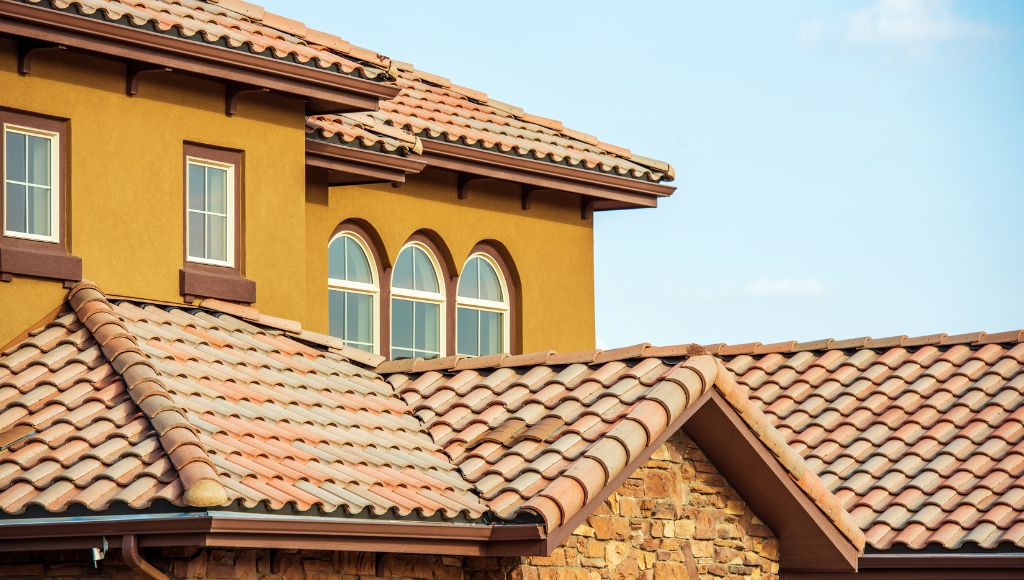
Tile has a well-earned reputation for longevity in dry climates, and that reputation holds up here in many respects. Concrete and clay tile resist UV degradation far better than asphalt, and they handle our intense sun without much complaint.
Where tile runs into trouble locally is temperature swings. Northern Arizona's freeze-thaw cycles, where moisture works its way into small cracks and then expands as it freezes overnight, can chip or crack tiles over time. Hail is another factor, particularly for clay tile, which is more brittle than concrete.
One thing that's worth keeping in mind is that lifespan and impact resistance aren't the same thing. Clay tile generally holds up better to years of sun and weather, which is one reason it can last longer overall. The trade-off is that it's also more brittle, so a strong hailstorm is more likely to crack clay than concrete. If hail is a regular concern where you live, concrete is often the more practical option, even though it doesn't last quite as long.
It's also worth separating the tile itself from the roofing system underneath it. The tiles might last 50 years or more, but the underlayment beneath them generally needs replacement well before that, often around the 20- to 30-year mark. A tile roof is only as good as what's underneath it.
Tile's Local Trade-Offs
- Freeze-thaw cycling can crack tiles at higher elevations within the service area
- Hail poses a real risk, especially to clay tile
- Underlayment wears out long before the tiles do
- Weight requires a structurally sound roof deck, which adds to installation cost
Metal Roofing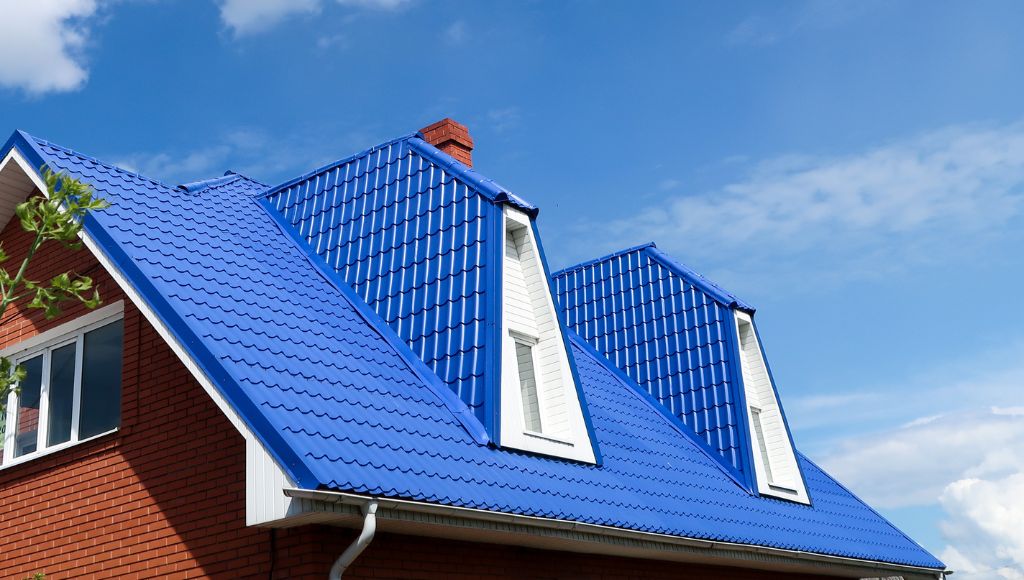
Metal roofing performs well in Arizona's sun. It reflects heat rather than absorbing it, resists UV degradation, and doesn't dry out or crack the way asphalt does. For homeowners looking at long-term value, it's one of the strongest options available.
Metal roofs tend to require less maintenance than many other roofing materials, but they still benefit from occasional inspections. Daily temperature swings cause the panels to expand and contract, and over time that movement can loosen fasteners. In some homes, especially those with unconditioned attic spaces, condensation can also become an issue when warm and cool air meet.
Keeping a Metal Roof at Its Best
- Have fasteners checked periodically, since thermal expansion can work them loose
- Make sure attic ventilation is adequate to reduce condensation risk
- Schedule a professional inspection after major hail or wind events
- Watch for scratches or coating damage that can expose bare metal to the elements
Slate Roofing
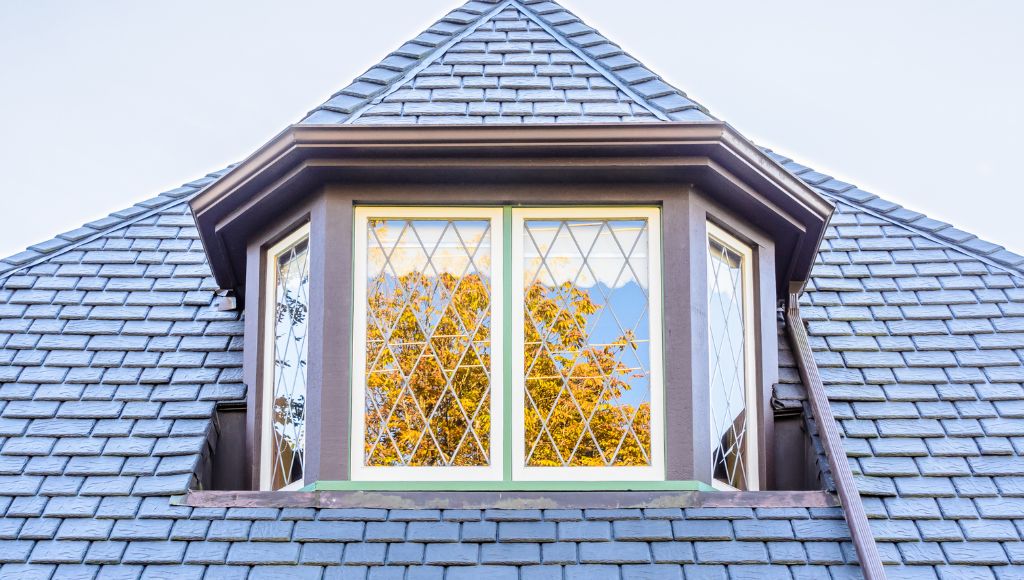
Slate is the longest-lasting roofing material available, and some slate roofs have lasted well over a century with minimal intervention. It resists UV damage, doesn't absorb moisture like other materials, and holds up beautifully in dry climates.
You don't see many slate roofs in Northern Arizona. The material is extremely durable, but it's also heavy enough that many homes need structural reinforcement before it can be installed. Because slate roofing is a specialized trade, finding an experienced installer can be more difficult. It's a good fit for some homes, but for most homeowners, the added cost and complexity outweigh the extra years of service.
Related Reading:
- What Roof Type is the Most Hail Resistant?
- How Much Hail Damage is Too Much Before I Replace My Roof?
- How UV, Heat, and Dry Air Damage Shingles (& How to Fix It)
Roof Material Lifespan Comparison*
| Material | National Average | Northern Arizona Service Area Average |
| Asphalt Shingles (Architectural) | 20-30 years | 15-20 years |
| Concrete Tile | 50+ years | 40-50 years |
| Clay Tile | 100+ years | 75-100 years |
| Metal (Steel) | 40-70 years | 40-60 years |
| Slate | 75-150 years | 75-100+ years |
*Please note that these are estimates. Actual lifespan depends on installation quality, slope orientation, and maintenance history.
Factors That Shorten Roof Life in Northern Arizona
No matter what material your roof is made of, the same handful of local conditions cause most of the damage over time.
- High-elevation UV intensity. More UV exposure at elevation breaks down roofing materials faster than at sea level.
- Monsoon storms. Wind-driven rain and hail between June and September stress every roof type, sometimes in ways that aren't visible from the ground.
- Extreme temperature swings. Hot days and cool nights cause materials to expand and contract repeatedly, loosening fasteners and stressing seams.
- Dry air. Low humidity accelerates the breakdown of the oils that keep asphalt shingles flexible, and can dry out sealants faster than in humid climates.
- Deferred maintenance. Small issues like a lifted shingle or a cracked tile tend to grow into larger, more expensive problems if they go unaddressed.
How Maintenance Helps Your Roof Reach Its Full Potential
Materials set the ceiling for how long a roof can last, but maintenance determines whether it gets there. A few habits can go a long way:
- Schedule inspections each spring before monsoon season and again in the fall
- Remove leaves, branches, and other debris from valleys and gutters so water can drain properly
- Take care of small issues, like loose flashing or a cracked tile, before they develop into leaks
- Keep an eye on south and west-facing slopes, which take the most UV exposure
If you're not sure what to look for, a professional inspection is the most reliable way to catch small issues early. Roof damage isn't always visible from a ladder or the ground, so we don’t recommend tackling maintenance that can’t be done from the ground on your own.
Extend the Life of Your Asphalt Shingles with Roof Maxx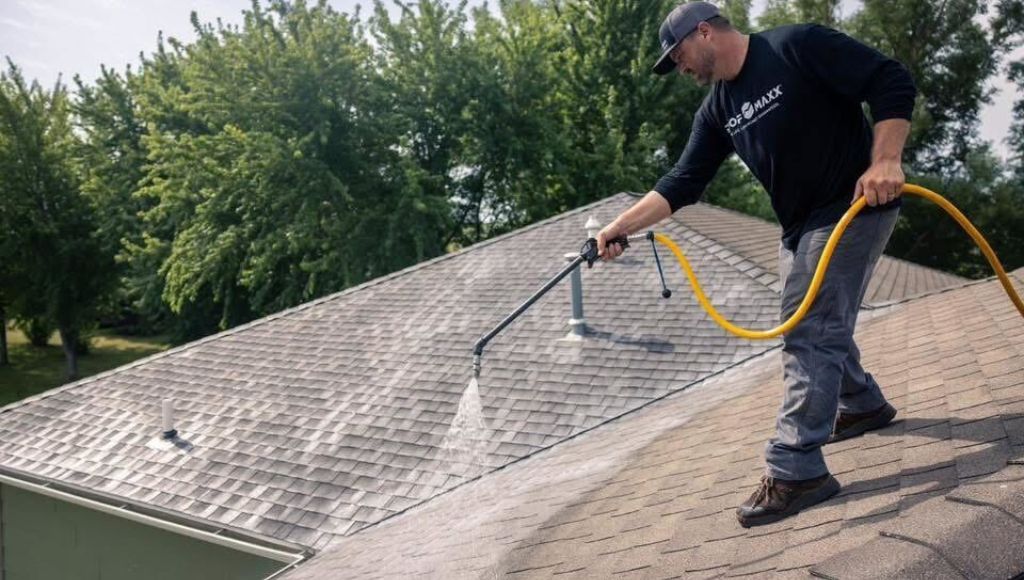
Roof Maxx is an all-natural, oil-based treatment that restores flexibility to aging asphalt shingles. The treatment penetrates the shingle surface and replenishes oils lost to UV exposure and dry air, which can add up to 5 years to a roof's usable life per treatment, for a maximum of three treatments, at a fraction of the cost of full replacement.
Not every aging roof is a candidate for Roof Maxx. The treatment is intended for asphalt shingles that are weathered but still structurally sound, and is not intended to repair roofs with hail damage, underlying deck problems, or shingles that have already deteriorated beyond repair. That's why an inspection is always the first step before deciding whether restoration makes sense.
Get a Clear Picture of Your Roof’s Condition
Lifespan estimates are a starting point, not a guarantee. The only way to know where your roof actually stands is to have it looked at by a professional who is familiar with how Northern Arizona's climate affects these materials.
Schedule your inspection today. Call EnviroPro or request an inspection online, and we'll give you an honest read on how much life your roof has left.