

Summary
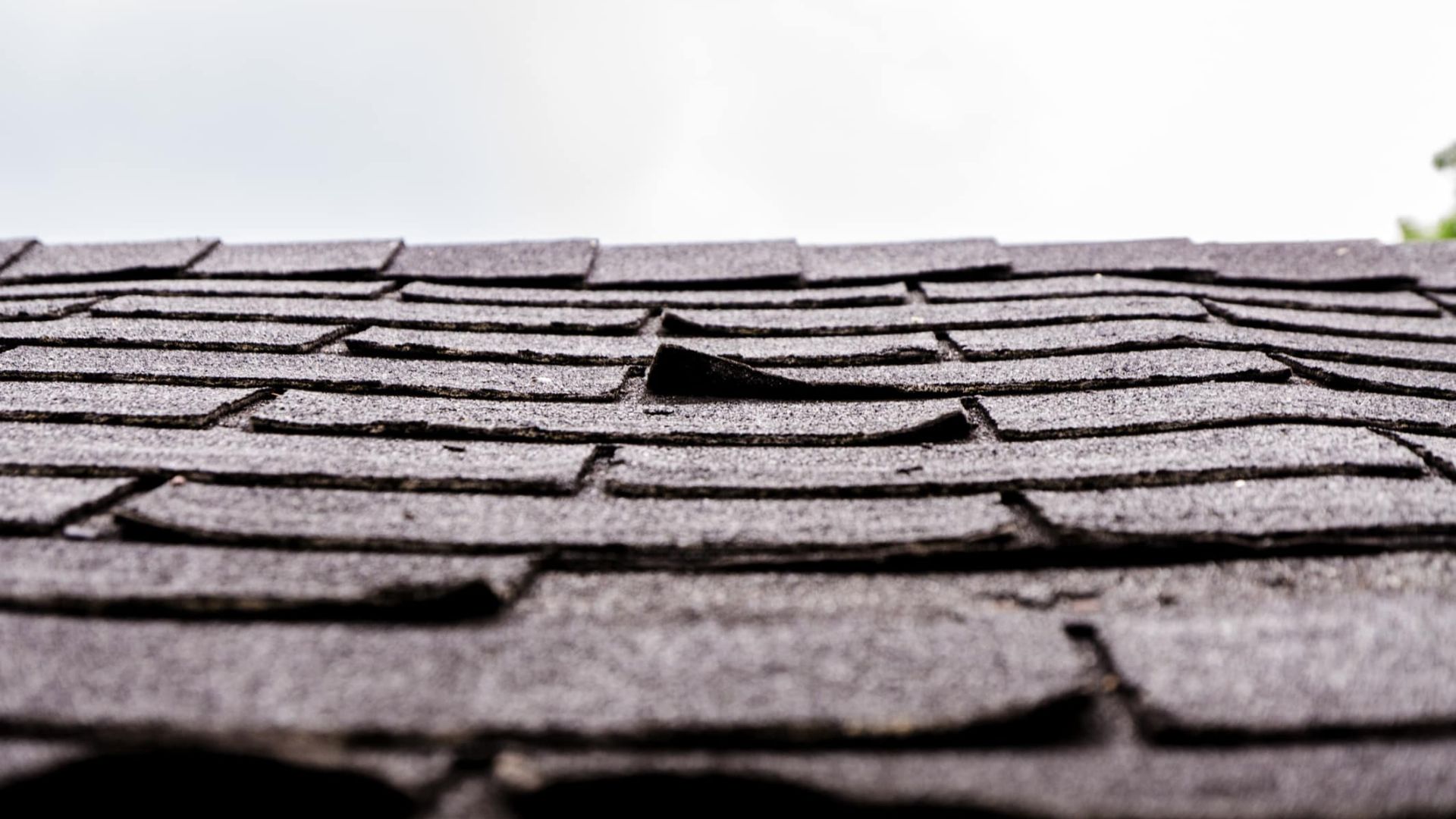
Lifted shingles start small, a curled edge or a shadow line, but they rarely stay that way. High winds, dried-out adhesive strips, and the temperature swings common across Prescott, Sedona, and the Verde Valley all work together to loosen shingle seals. Left alone, water works underneath, surrounding shingles start lifting too, and decking damage becomes a real risk. Professional repair options range from resealing to Roof Maxx restoration, while DIY fixes can void warranties and miss more serious damage
| Time to Read | ~7 minutes |
| What You'll Learn |
|
| Next Steps |
|
A lifted shingle might not look like much from the driveway, but it's one of the clearest early warning signs your roof is giving you. Once a shingle edge pulls away from the roof deck, wind, water, and sun all get a way in that they didn't have before. Catching it early is the difference between a quick repair and a much bigger project.
Many homeowners choose not to fix a lifted shingle right away, but the problem is that it will rarely stay at just one lifted shingle. The exposed edge becomes a weak point that wind and water keep working at, often turning a quick reseal into a much larger repair. If the damage is showing up across multiple sections of the roof, it may be time to start thinking about roof replacement instead of another repair.
Why Shingles Lift in Northern Arizona
Shingles are designed to lie flat and seal tightly against each other, held down by a strip of adhesive that activates in the heat. When that seal breaks down or fails to form properly, the shingle edge is free to catch the wind and curl upward.
High Winds During Monsoon Storms
Northern Arizona's monsoon season brings sudden, powerful wind gusts that can catch the edge of a shingle and pull it upward, especially if the adhesive strip has already started to weaken. That's often when small problems that weren't obvious before become much easier to spot.
Improper Installation
Shingles that weren't nailed in the right pattern, or that were installed without enough heat to activate the adhesive strip, are prone to lifting from day one. This is one of the more common issues we find on roofs that are still relatively young.
Dried-out Adhesive Strips
The adhesive strip that seals each shingle down relies on natural oils to stay flexible. Years of sun exposure at elevation dry out those oils, making the strip brittle and less able to hold the shingle in place.
Thermal Cycling
One day of hot afternoons and cool nights won't hurt a roof. Years of that same heating and cooling cycle, however, are a different story. As shingles expand in the heat and contract when temperatures drop, the constant movement gradually weakens the adhesive that holds them in place.
What Happens When You Don’t Repair Lifted Shingles
Lifted shingles don’t stay a small problem for long. Once the adhesive seal holding them to the roof deck below breaks, water has a direct path underneath, and the damage tends to compound the longer it goes unaddressed.
| Time Left Unrepaired | The Result |
| Through one storm | Water works under the shingle edge during wind-driven rain |
| Through a full monsoon season | Surrounding shingles start to lift too, and granule loss accelerates |
| Left for a year or more | Moisture reaches the decking, raising the risk of rot and interior leaks |
The longer a lifted shingle sits, the more it exposes the surrounding shingles to the same wind and moisture, which is why a single lifted shingle rarely stays a single lifted shingle.
How to Spot Lifted Shingles From the Ground
You don't need to get on the roof to catch most of the warning signs. Look for:
- Shingle edges that curl upward or cast a visible shadow line
- Sections that look out of pattern compared to the rest of the roof
- Shingles that appear loose or slightly raised after a windy day
- Granules collecting in gutters or at the base of downspouts
If you notice any of these, it's worth scheduling a professional inspection before the next storm rolls through rather than waiting to see if it gets worse.
Let the Pros Repair Your Lifted Shingles
Fixing lifted shingles isn't a one-size-fits-all job. A licensed roofer will assess the extent of the lifting and use the right approach for each area.
- Resealing adhesive strips: For shingles that are lifted but not damaged, applying roofing cement under the tab restores the seal without needing a full replacement.
- Replacing damaged shingles: Shingles that are cracked, torn, or too brittle to reseal get swapped out individually so the surrounding roof stays intact.
- Reinforcing vulnerable areas: Edges, valleys, and south- and west-facing slopes receive the most sun and wind exposure, so these areas often get extra attention to prevent the same issue from recurring.
If you're already dealing with storm damage beyond lifted shingles, our roof repair services cover everything from granule loss to full section replacement.
Should I Fix Lifted Shingles Myself?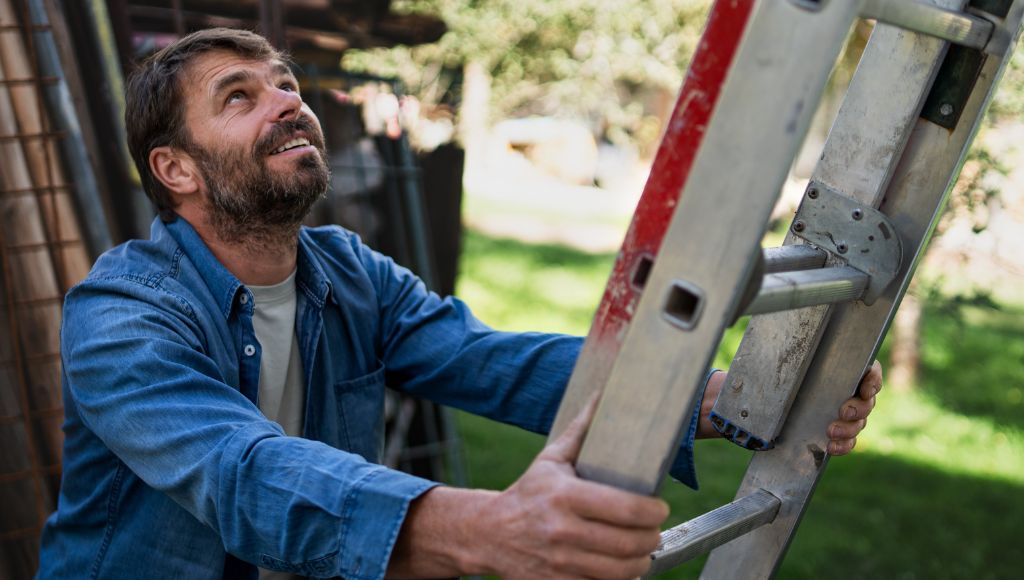
It's tempting to grab a tube of roofing cement and handle a lifted shingle yourself, but there's more to it than sealing the edge back down.
Before you climb on your roof, you should know that repairing a lifted shingle isn’t as straightforward as it looks. Some manufacturers won't honor a warranty if repairs weren't completed by a licensed contractor, and the damage you see from the ground (or the surface) might not be the whole story. During an inspection, it's not unusual to find loose shingles nearby or moisture that's already worked its way beneath the roofing material.
A professional inspection gives you an accurate picture of what's actually going on, not just what's visible from the ground.
Prevent Lifting with Roof Maxx Restoration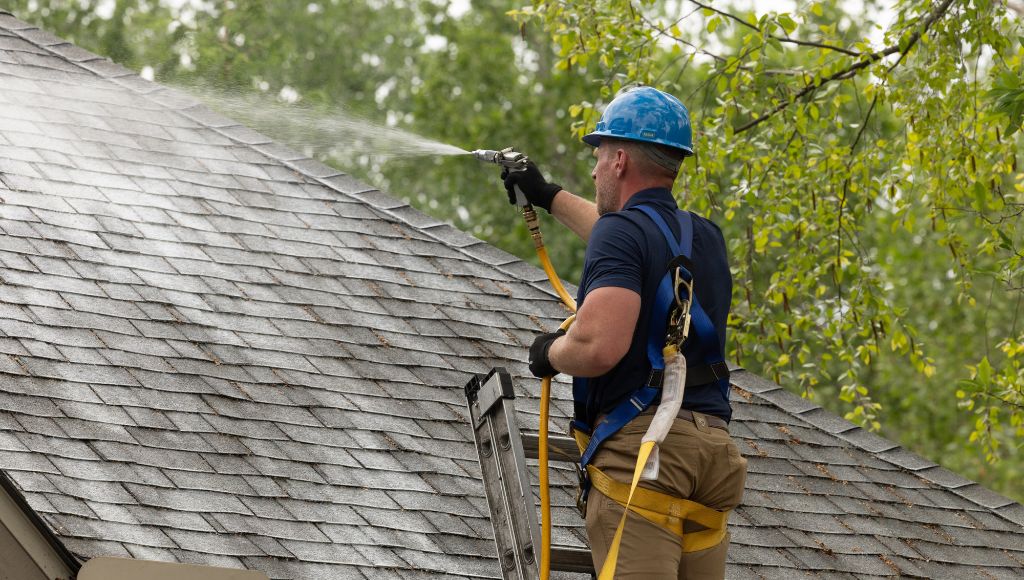
As a Roof Maxx dealer, we offer this treatment as a preventive option for roofs that are starting to show early signs of aging, including adhesive strips that have dried out. Roof Maxx is an all-natural, oil-based treatment that restores the natural oils in your shingles, helping them stay flexible and extend their lifespan by up to five years per treatment, and up to fifteen years total.
Whether Roof Maxx makes sense for your home depends on the condition of your shingles. It's designed to restore flexibility in aging shingles that still have good structural integrity, not repair shingles that have already failed. Applied at the right stage, it can extend the life of the roof up to five years per treatment before larger repairs become necessary.
Preventing Lifted Shingles Before Storm Season Hits
Waiting until after the first monsoon storm hits often means you're dealing with damage instead of preventing it. An inspection in the spring gives your roofer a chance to find shingles that are starting to loosen before strong winds make the problem worse.
That inspection usually includes checking the condition of the adhesive strips, looking for loose nails, inspecting flashing around vulnerable areas, and watching for early signs of wear, like curling or granule loss.
Catching these issues early usually means a smaller, less expensive repair, and one less thing to worry about once the storms start rolling through. If you've noticed shingles that look out of place or want a professional set of eyes on your roof before monsoon season, schedule an inspection with our team.